Last updated November 18, 2026
 Sliding glass doors
 Single hung
 Double hung
 Horizontal roller
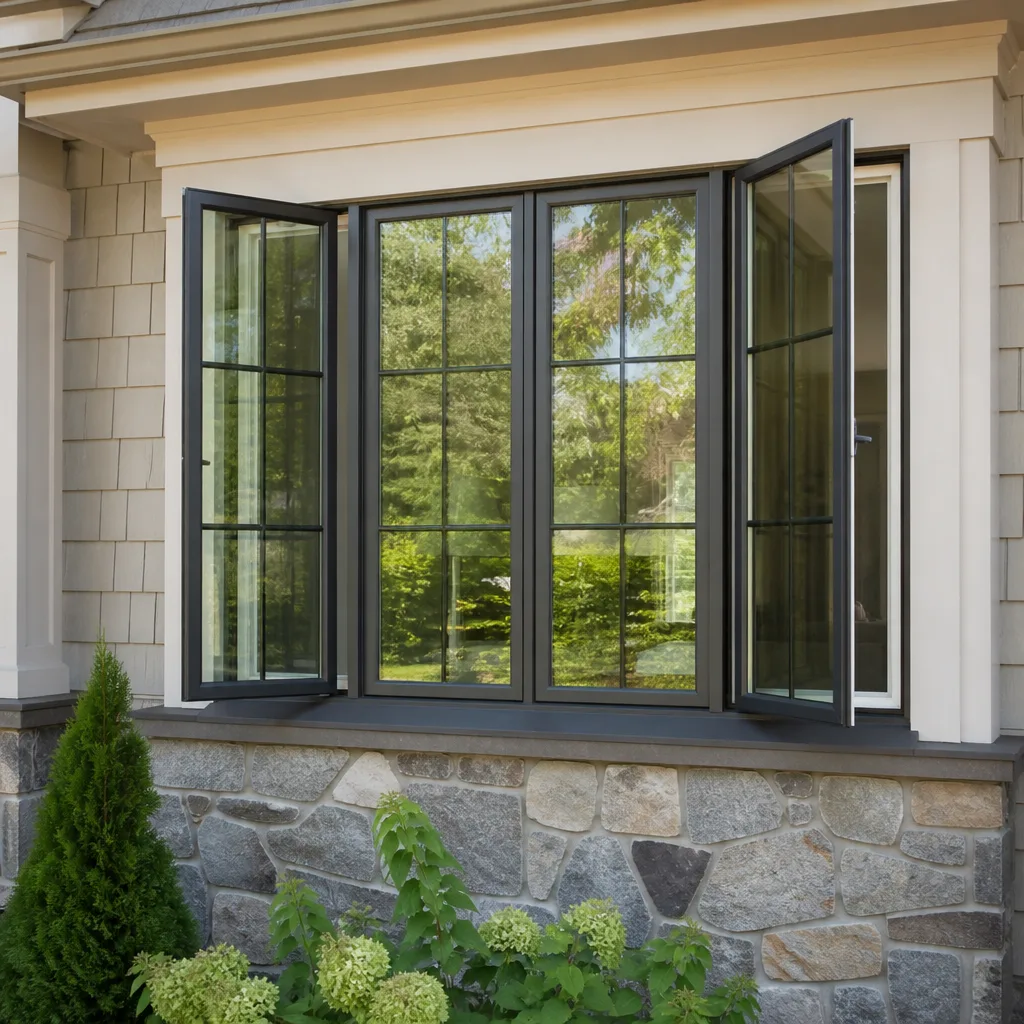 Casement
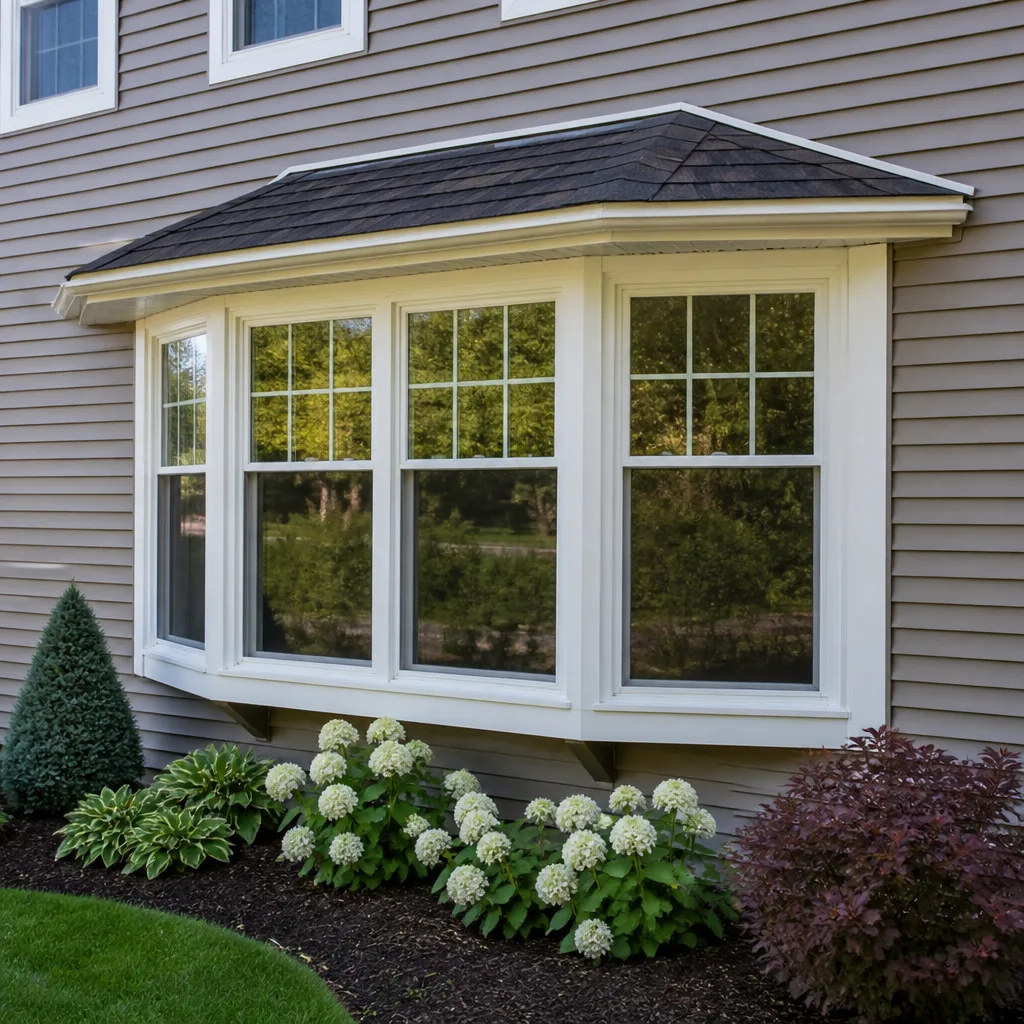 Bay & bow
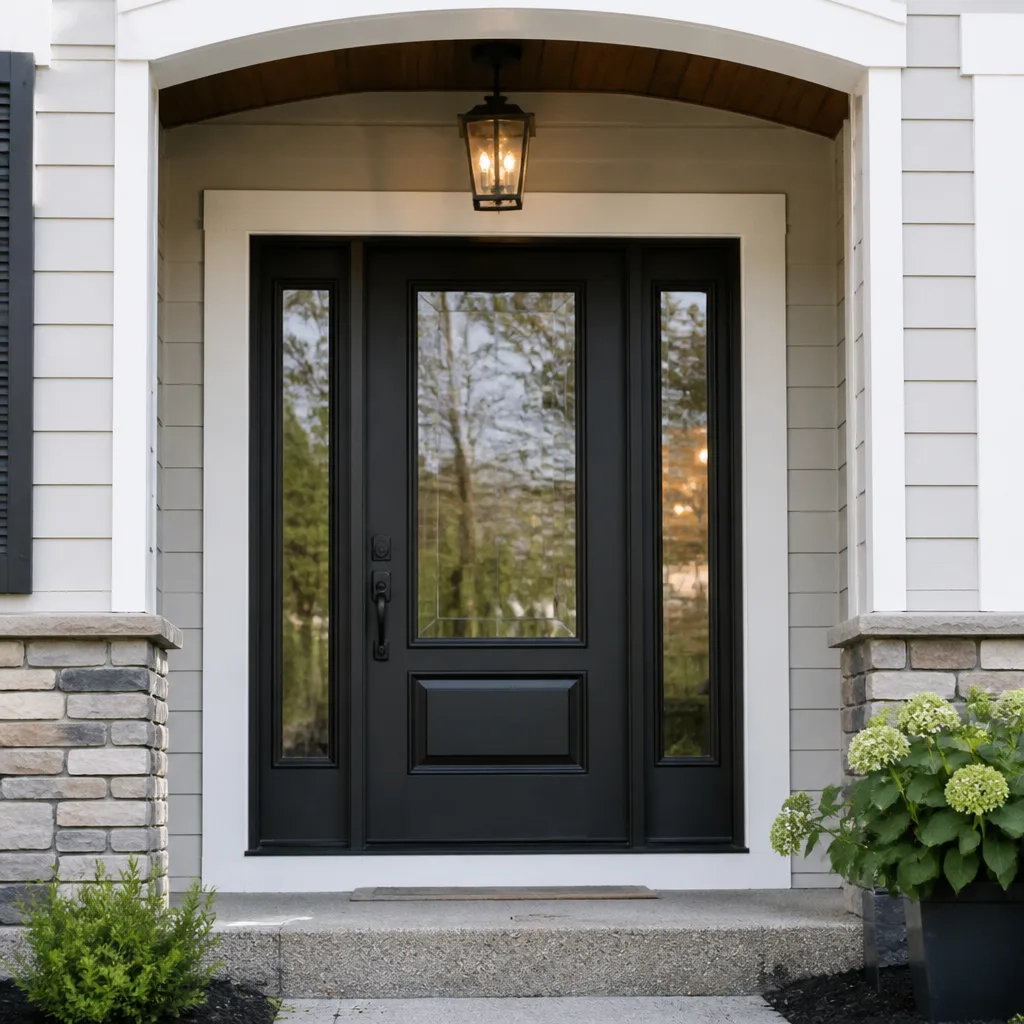 Entry doors
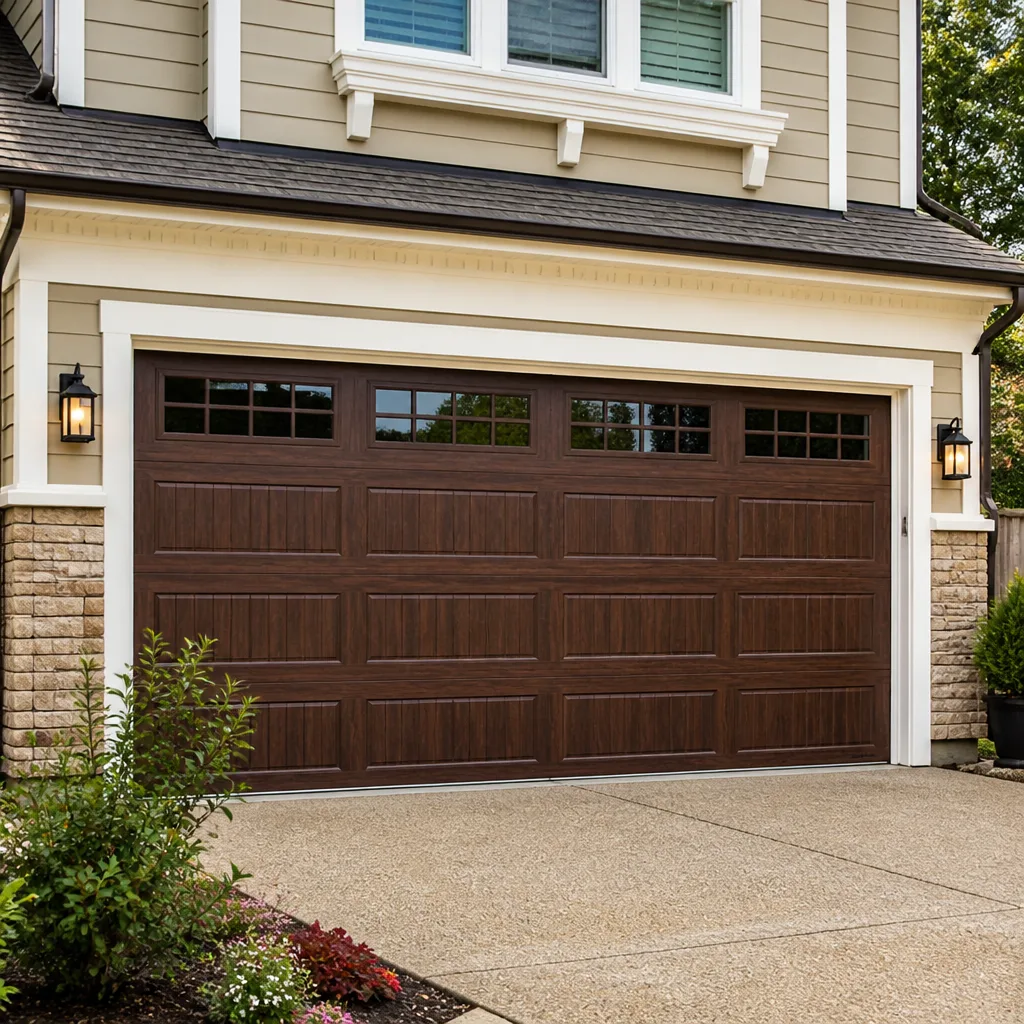 Impact garage doors
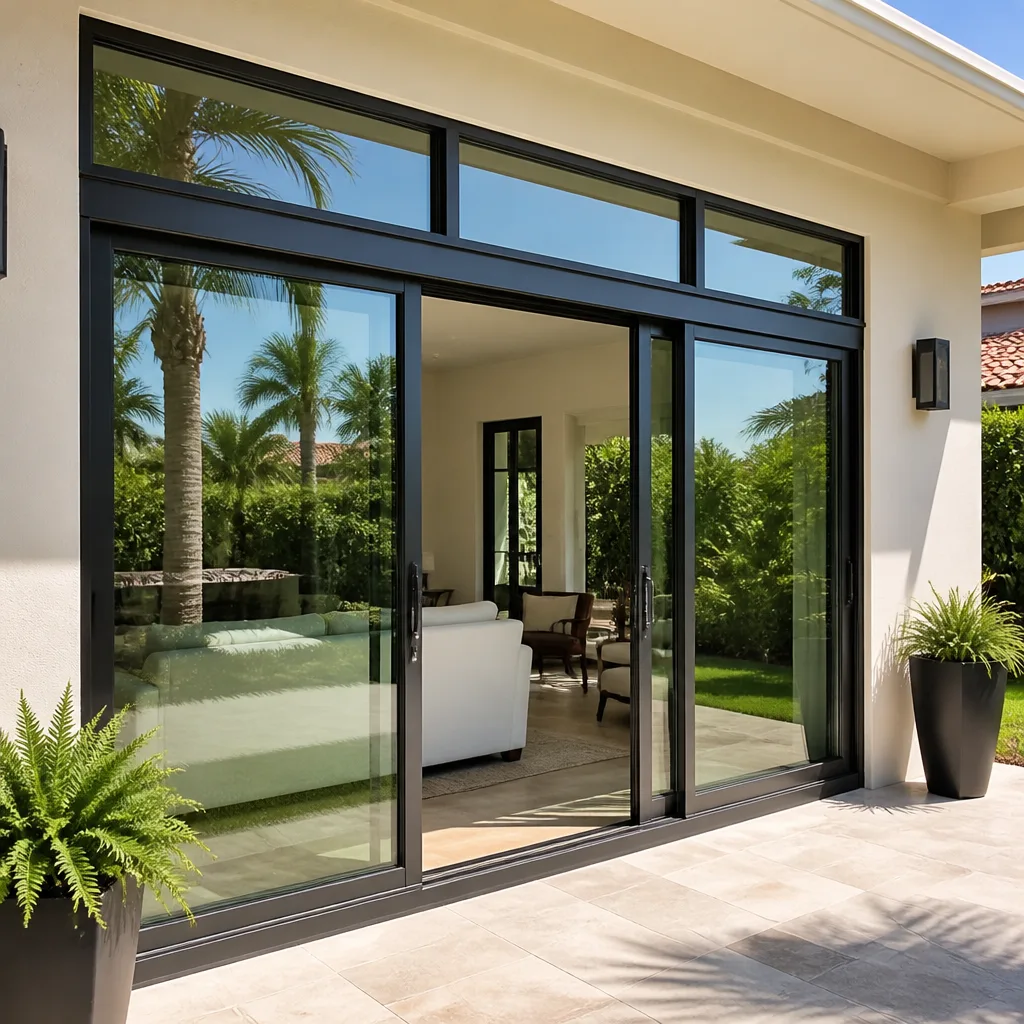 PGT
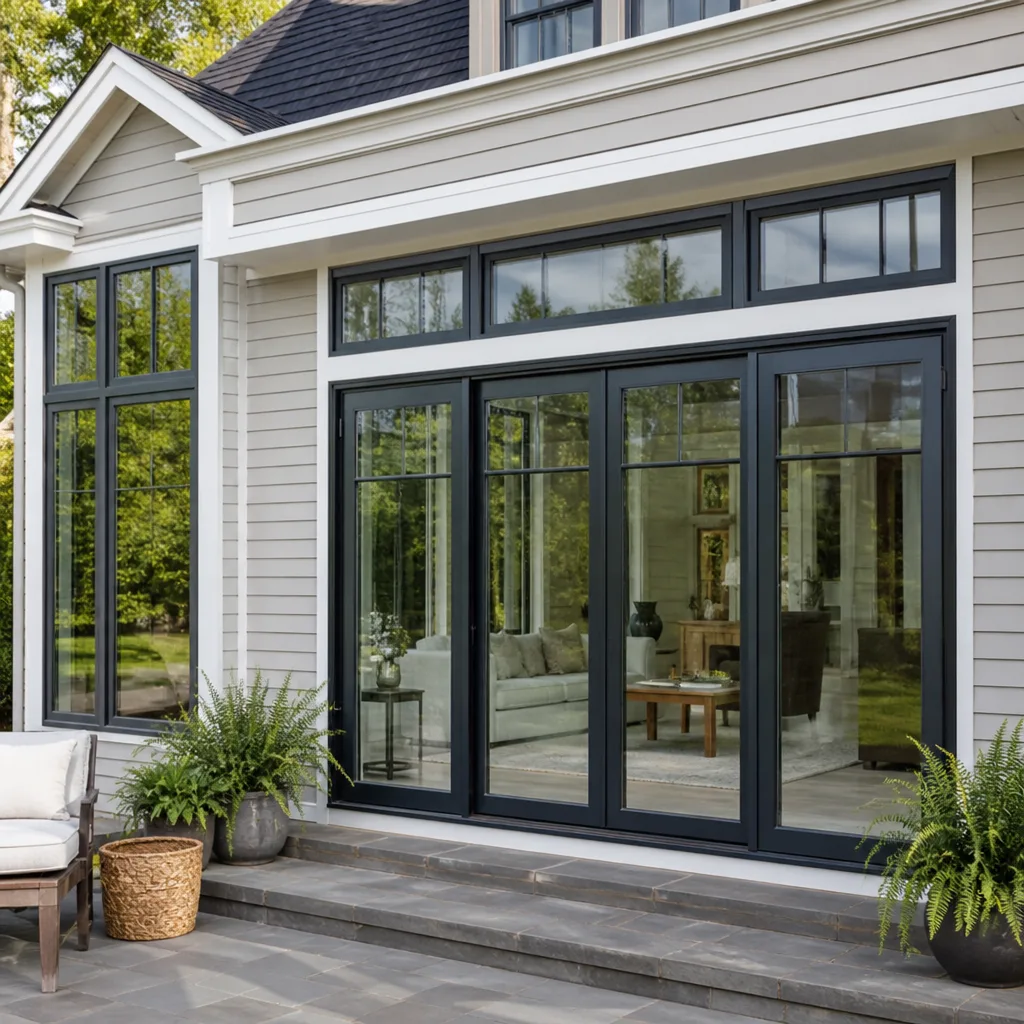 CGI
Free in-home measure and quote - PGT, CGI and CWS impact lines compared on your actual openings, style by style
Get your free estimateWindows & Doors Emergency Preparedness Guide for Henderson Homes
Henderson homeowners stock water, charge power banks, and know where the flashlights are. Almost none of them look at their windows and doors as part of that plan. But in a desert heat emergency, your exterior openings are the front line: a failed low-E coating on a west-facing window turns a comfort problem into a heat safety problem for everyone inside, and a compromised door frame after a haboob can let grit and heat into the one room you were counting on. This guide covers how to assess, document, and upgrade your windows and doors for Henderson’s specific hazard profile before an event, not during one.
Quick Answer
Emergency preparedness for windows and doors in Henderson means three things: checking seals, glass, and hardware before storm and heat season; documenting existing condition for insurance claims; and choosing upgrades that match the local hazard mix, specifically impact-rated glazing, multi-point door locks, and storm-rated thresholds. In a power outage, windows and doors with intact seals and intact low-E coatings are what keep interior temperatures from climbing as fast. A quick annual inspection and targeted upgrades carry far more protective value than reacting after a failure.
Styles & brands we work with
- Single hung
- Double hung
- Horizontal roller
- Casement
- Bay & bow
- Sliding glass doors
- Entry doors
- Impact garage doors
- PGT
- CGI
Table of Contents
- Why Henderson’s Hazard Mix Is Different from What Most Homeowners Plan For
- How to Assess Your Windows and Doors for Heat Retention Before an Event
- Impact-Rated Glazing: What It Actually Protects Against in Henderson
- Emergency Board-Up and Temporary Seals That Won’t Damage Stucco
- What to Document Before Storm Season for a Clark County Insurance Claim
- Pre-Event Upgrades with the Highest Protective ROI
- A Yearly Preparedness Routine for Henderson Homes
- Doors as the Weak Link in an Emergency Envelope
Why Henderson’s Hazard Mix Is Different from What Most Homeowners Plan For
Most emergency planning in Henderson focuses on water and power: storing water, knowing where the shutoff is, keeping devices charged. Windows and doors sit at the edge of that plan, or outside it entirely. That’s the gap this guide fills. The hazard profile here is specific, and it’s not the same as what coastal or storm-belt homeowners prepare for.
Three hazards drive the window and door conversation in Henderson:
- Extreme sustained heat. When the grid goes down in July, the house becomes a heat box. Windows with compromised seals or degraded low-E coatings let in more radiant heat and hold less conditioned air. Doors with failed weatherstripping leak air at the perimeter.
- Haboobs and high-wind events. Desert wind events carry sand, grit, and debris. The debris load is lighter than a hail barrage, but the wind speed and the duration of the event are real. Windows and door frames take abrasion and pressure.
- Rare but real freeze events. Henderson winters occasionally drop cold enough that poorly sealed openings become a plumbing and comfort concern. A door threshold gap that’s invisible in August becomes a draft channel in January.
The common misconception is that emergency prep for windows and doors means “board things up when something fails.” In practice, it means checking and documenting the system before an event, so that a failure has a defined response and a defined insurance claim. Our technicians have up to 10 years of experience across the brands we carry, and the pattern we see is consistent: homes that were assessed and documented before storm season recover faster and with less dispute than homes that weren’t.
How to Assess Your Windows and Doors for Heat Retention Before an Event
A heat-retention assessment is a physical walk of every opening, done in cool weather, not during an emergency. You’re looking for three categories of failure: seal failure, glass failure, and hardware failure. The check takes about an hour on a typical Henderson home.
Follow this sequence for each window and door:
- Check the seal at the frame. Look for visible gaps between the frame and the stucco, cracked caulk, or daylight visible at the perimeter. In Henderson’s dry climate, caulk dries, cracks, and pulls away over time. This is the most common failure we see, and it’s usually the cheapest to fix.
- Inspect the glass for seal failure. In double-pane and triple-pane units, a failed seal shows up as fogging, a haze between panes, or a visible film that doesn’t come off with cleaner. A failed seal doesn’t just look bad; it degrades the insulating gas layer and the low-E coating’s effectiveness.
- Test the low-E coating. Hold a heat lamp or a bright flashlight near the glass on a cool evening and feel the inside surface. A coating that’s still working will feel noticeably cooler than bare glass. A degraded coating won’t. This isn’t a lab test, but it tells you whether a west-facing window is still pulling its weight.
- Check hardware function. Open and close every operable window and door. Latches should engage firmly, locks should turn, and the sash should seat flush when closed. Hardware that sticks, or a door that needs a shoulder to close, means the seal isn’t seating.
- Feel for drafts and air leaks. On a windy day, run your hand along the perimeter of each closed opening. Air moving past the weatherstripping or threshold means the opening is losing conditioned air and losing it faster in an emergency when you can’t run the HVAC.
- Note the orientation. West- and south-facing glass in Henderson takes the brunt of afternoon sun. Mark those openings on your assessment sheet; they’re the ones that matter most in a heat event, and they’re the first candidates for upgrade.
Record what you find. That record becomes both your repair list and your insurance documentation, and we’ll cover the documentation piece in more detail below. If you’re planning window replacement anyway, the assessment doubles as the scope conversation.
Impact-Rated Glazing: What It Actually Protects Against in Henderson
Impact-rated glazing does three jobs in Henderson’s context: it resists wind-borne debris during haboobs and high-wind events, it resists forced entry more than standard annealed glass, and it holds together when broken rather than shattering into large shards. It does not make a window unbreakable, and it does not replace the weather seal. What it does is buy the home time and reduce the failure mode.
The mechanism matters. Impact-rated units use laminated glass, a plastic interlayer bonded between glass plies. Under impact, the glass cracks but the interlayer holds the assembly together. In a wind event, that means a hit doesn’t create an open hole into the house. In a security scenario, that means a break-in attempt doesn’t produce a quick point of entry. We supply impact-rated options through PGT and CGI product lines, and the difference between a standard unit and an impact unit is visible in the glass construction, not just the label.
What impact glazing protects against in Henderson specifically:
- Haboob debris. Wind-driven sand, roof gravel, and landscape debris hit west and south glass hardest. Laminated units absorb those impacts without an open breach.
- Rare high-wind events. When wind speeds climb, the glazing’s ability to hold its integrity under pressure is what keeps the envelope closed.
- Standard break-in attempts. Laminated glass takes repeated force to defeat. That’s meaningful for ground-floor and patio door glass in any Henderson neighborhood, from Green Valley to the older tracts near downtown.
- Heat load. Impact-rated units are available with low-E coatings, so the protective benefit doesn’t come at the cost of heat performance. The two should be specified together.
What impact glazing does not protect against: a frame that’s already loose in the wall, a door that doesn’t latch, or a threshold that leaks. Glazing is one part of the system. The assessment above is what tells you whether the rest of the system is ready to support it. We work through this with homeowners as part of window installation, and the conversation always starts with the wall and the frame, not the glass.
Emergency Board-Up and Temporary Seals That Won’t Damage Stucco
If a window or door is breached during a storm, the goal is to close the opening without damaging the stucco finish, because repairing stucco is a separate trade and a separate cost. The approach in Henderson’s stucco-construction homes is different from what you’d do on wood siding, and the difference matters.
What works in stucco homes:
- Anchor into the frame, not the stucco. Screws driven through the window frame or door jamb are the reliable attachment. Stucco is a thin, brittle coat over lath and substrate; screws into it pull out under wind load and leave spalled patches behind.
- Use a foam backer plus a rigid panel. A sheet of plywood or OSB cut to overlap the opening by a few inches, fixed to the frame, keeps the interior dry. Foam backer seals the gap between the panel and the wall without grinding into the finish.
- Seal the perimeter with removable tape, not caulk. Painter’s tape or a removable weatherseal tape holds the temporary seal without bonding to the stucco. Caulk or adhesive will pull the finish off when removed.
- Keep the interior side ventilated if wet. A temporary panel traps moisture. If water got in, run a fan on the interior side and leave a small gap until it dries, then seal fully.
What to avoid: driving fasteners into the stucco field, using construction adhesive on the finish, and covering a broken window without first securing the glass shards. If the opening is a door and the frame is compromised, the panel should span the whole jamb, not just the door leaf.
Plan the board-up materials before you need them. A pre-cut panel, a box of frame screws, foam backer, and removable tape stored in the garage costs little and saves the scramble. For larger or higher openings, or if the frame itself is damaged, board-up is a professional call. We answer 24/7, and fast dispatch runs from 7am to 7pm, Sunday through Friday.
What to Document Before Storm Season for a Clark County Insurance Claim
Insurance claims for window and door damage go better when the pre-loss condition is documented. In Clark County, the claim process asks you to establish what existed before the event and what changed. A dated record of frame condition, glass integrity, and hardware function is the difference between a smooth claim and a disputed one.
Document these items for every opening in the home:
- Frame condition. Photograph each frame and jamb from inside and outside. Note any existing cracks in the stucco around the opening, and any prior caulk repairs. Pre-existing damage should be recorded so it isn’t attributed to the event.
- Glass integrity. Photograph each pane straight-on. Note any existing chips, scratches, or seal fogging, and the date the photo was taken.
- Hardware function. Note which locks, latches, and operators work and which don’t. A note like “patio door lock stiff, still engages” is enough.
- Product and brand identification. Photograph any manufacturer labels or etch marks on the glass or frame. Brand and model information helps the adjuster value the claim accurately. If your windows are PGT, CGI, CWS, or ES Windows, that identification matters for replacement matching.
- Date and conditions. Keep the photos timestamped and store a copy off-site, not only on a phone that could be lost in the same event.
The claim itself is filed with your insurer, not with us. What we can do is provide a written assessment of the openings, a line-item estimate for repair or replacement, and a record of what was installed, which supports the claim documentation. We can work with your insurer on the paperwork. If you’re comparing options for the repair, the window replacement Henderson overview lays out the product lines we carry and how they’re specified.
Pre-Event Upgrades with the Highest Protective ROI
Not every upgrade is worth the spend from a preparedness standpoint. Ranked by protective value in Henderson’s hazard mix, the features that matter most are the ones that address the three failure modes: heat, wind, and entry.
- Low-E glass with a strong solar heat gain rating on west- and south-facing openings. This is the highest-return upgrade in a heat emergency. It directly reduces radiant heat gain when the HVAC is down. Available across multiple product lines, including ECO Window Systems and ES Windows.
- Impact-rated glazing on exposed sides. Laminated units through PGT and CGI protect against haboob debris and forced entry. Prioritize the openings most exposed to wind, not every window in the house.
- Multi-point door locks. A single deadbolt is one point of failure. Multi-point locking engages the door at several points along the jamb, which keeps the door seated and the seal intact under wind pressure. It’s also an entry-resistance feature.
- Storm-rated thresholds and door sweeps. Water and grit enter at the threshold before anywhere else. A storm-rated threshold with a proper sweep is the cheapest way to close that path.
- Frame reinforcement and correct flashing on replacement units. A window is only as good as its installation. Proper flashing and secure frame attachment are what keep the opening tight in wind. This is a specification item, not a brand item.
Notice what isn’t on that list: decorative upgrades, upgraded screens, and hardware finishes. They matter for appearance, but they don’t move the preparedness needle. We carry eight brands so you can compare performance, style, and price side by side, and the prepared-home conversation is about performance first.
Therma-Tru doors installed by specialists who know the product inside and out are worth a specific mention here, because the door is the largest opening in most homes. A Therma-Tru entry or patio door with multi-point locking and a storm-rated threshold closes the biggest gap in the envelope.
A Yearly Preparedness Routine for Henderson Homes
A once-a-year routine, done in the shoulder season before summer heat and before the fall wind events, keeps the window and door system ready. It takes an afternoon, and it’s the single most useful thing a Henderson homeowner can do for opening-level preparedness.
- Walk every opening. Use the assessment sequence above: seal, glass, coating, hardware, draft, orientation. Note changes from last year.
- Replace dried caulk at the perimeter. In Henderson’s dry air, perimeter caulk is the first thing to go. Re-caulk gaps at the frame-to-stucco joint before the heat sets in.
- Clean and lubricate hardware. Desert dust works into tracks, hinges, and locks. A dry silicone lubricant on sliding door tracks and lock mechanisms keeps them operating when you need them.
- Test and replace weatherstripping. Weatherstripping on doors compresses and cracks. Test it by closing the door on a dollar bill; if it slides out easily, the seal is gone.
- Refresh the documentation file. Add this year’s photos to the record, date them, and store a copy off-site.
- Check the board-up kit. Confirm you still have the panel, fasteners, tape, and backer, and that the panel is cut to fit the largest opening in the house.
If the walk turns up a failed seal you can’t fix, or a frame that’s loose rather than just caulk-gapped, that’s the point to get a professional assessment. Our technicians have up to 10 years of experience and can tell you whether the opening is a repair or a replacement.
Doors as the Weak Link in an Emergency Envelope
Windows get the attention in preparedness conversations, but the door is usually the bigger vulnerability. It’s the largest movable opening in the house, it has the most hardware, and it’s the one opening people open and close every day, which wears the seal faster than any window. In a heat emergency, a door with a failed sweep and worn weatherstripping leaks conditioned air continuously. In a wind event, a door that doesn’t latch firmly is the first thing to rattle, and the first thing to fail.
Check these four things on every exterior door in a Henderson home:
- The sweep and threshold. Look for daylight under the door and grit on the interior floor after a wind event. Both mean the sweep has failed.
- The lock’s engagement. A deadbolt that turns but doesn’t fully seat leaves the door loose in the jamb. Multi-point hardware solves this by locking at several points.
- The frame and jamb. A door that’s swollen, sticking, or requiring a shoulder is a frame problem, not a hardware problem. In stucco homes, the jamb and the stucco joint are where water and grit enter.
- The glass in the door. Patio and entry doors with glass need the same glazing assessment as windows. Impact-rated options are available on door glass where specified.
Door installation is a distinct skill from window installation, and it’s where a lot of replacement work goes wrong. One installer for every opening, windows and doors handled together, is the simpler path. If you’re planning a door upgrade, we install Therma-Tru doors and handle the full exterior envelope under one contractor.
Common Mistakes to Avoid
- Waiting for the event to assess. A window seal that failed six months ago is a problem you can fix on a comfortable afternoon. The same seal during a heat outage is a crisis. Assess before the season, not during it.
- Boarding up into the stucco field. Screws into stucco pull out under wind load and leave spalled patches that cost more to repair than the window. Anchor into the frame. This is the most common board-up mistake in Henderson’s stucco homes.
- Skipping the frame inspection on an impact-glazing purchase. Impact glass in a loose frame doesn’t deliver the protection. The frame and installation matter as much as the glazing.
- Documenting after the damage. Photos taken after an event prove the loss, not the pre-loss condition. In a Clark County claim, the before-photos are the ones that matter.
- Upgrading for looks before performance. A decorative door with a single deadbolt and a worn sweep is less prepared than a plain door with multi-point locking and a storm-rated threshold. Budget performance first.
- Ignoring the door entirely while upgrading windows. The door is the largest opening. A house with new windows and a failed door seal is not a prepared house.
- Assuming a sealed unit is a working unit. Fogging between panes is the visible sign of seal failure, but a seal can fail without visible fogging. Test the coating and feel for drafts, don’t just look.
See the difference
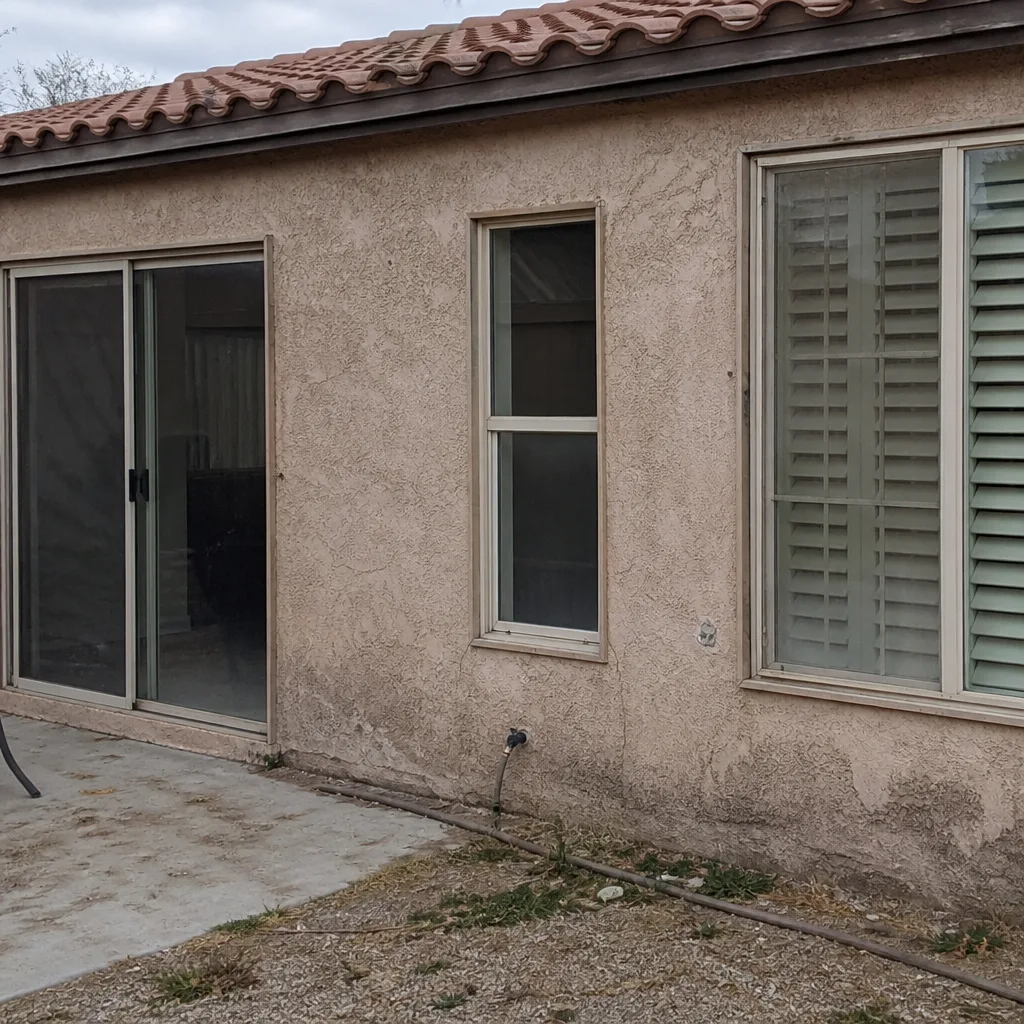 Before
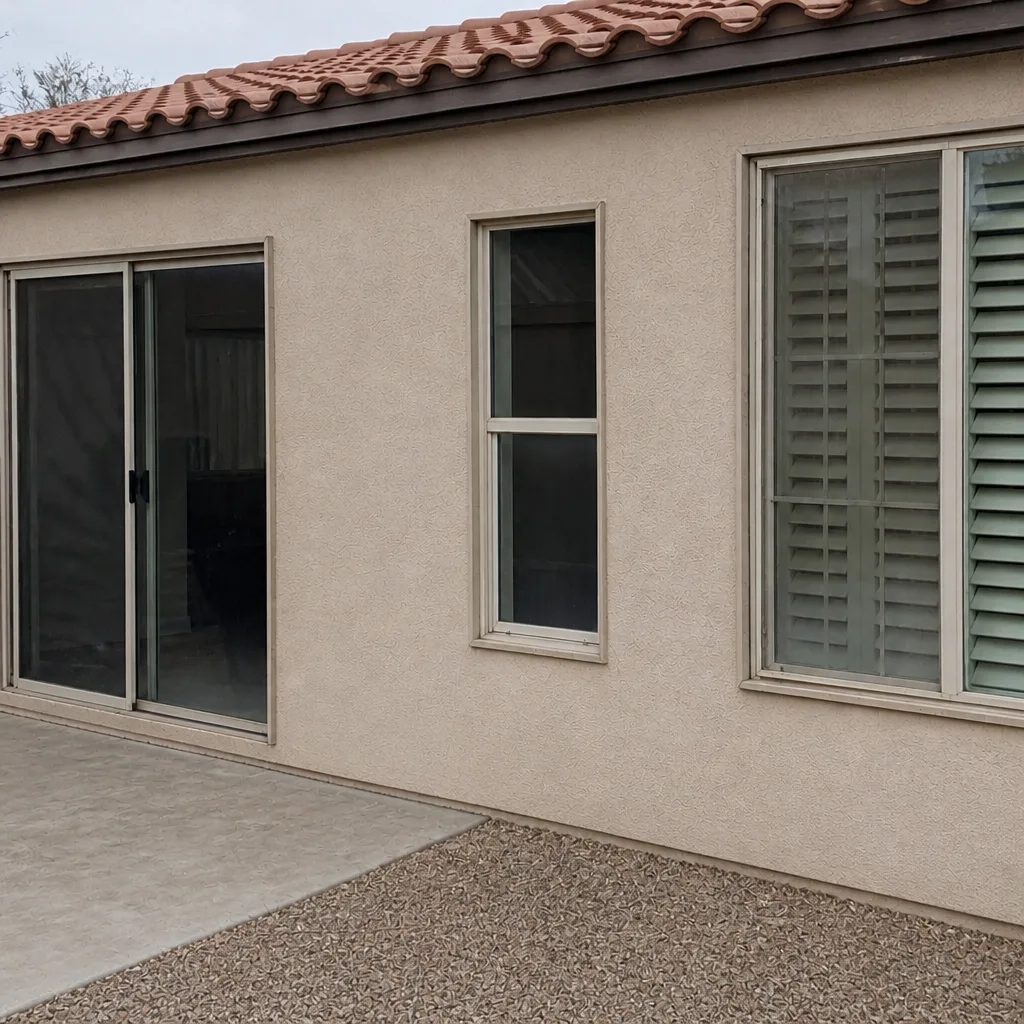 After
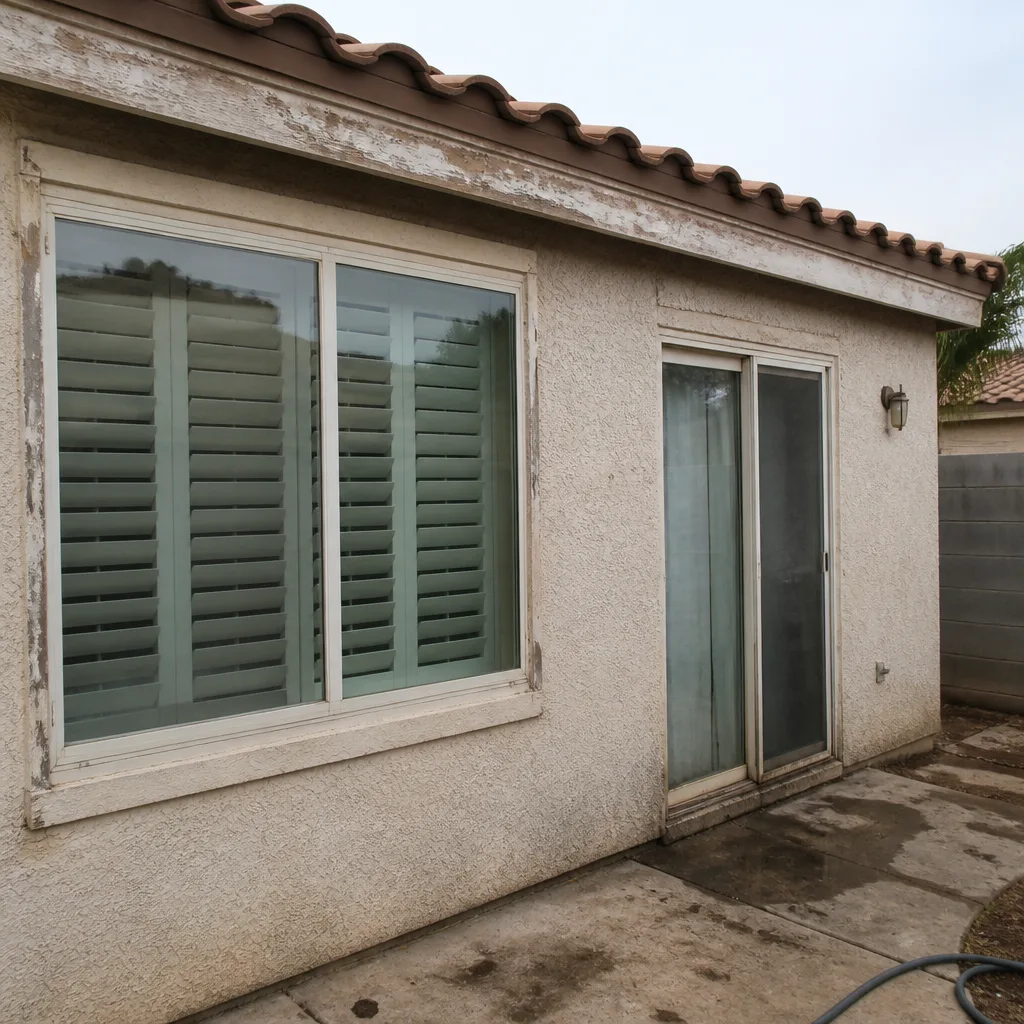 Before
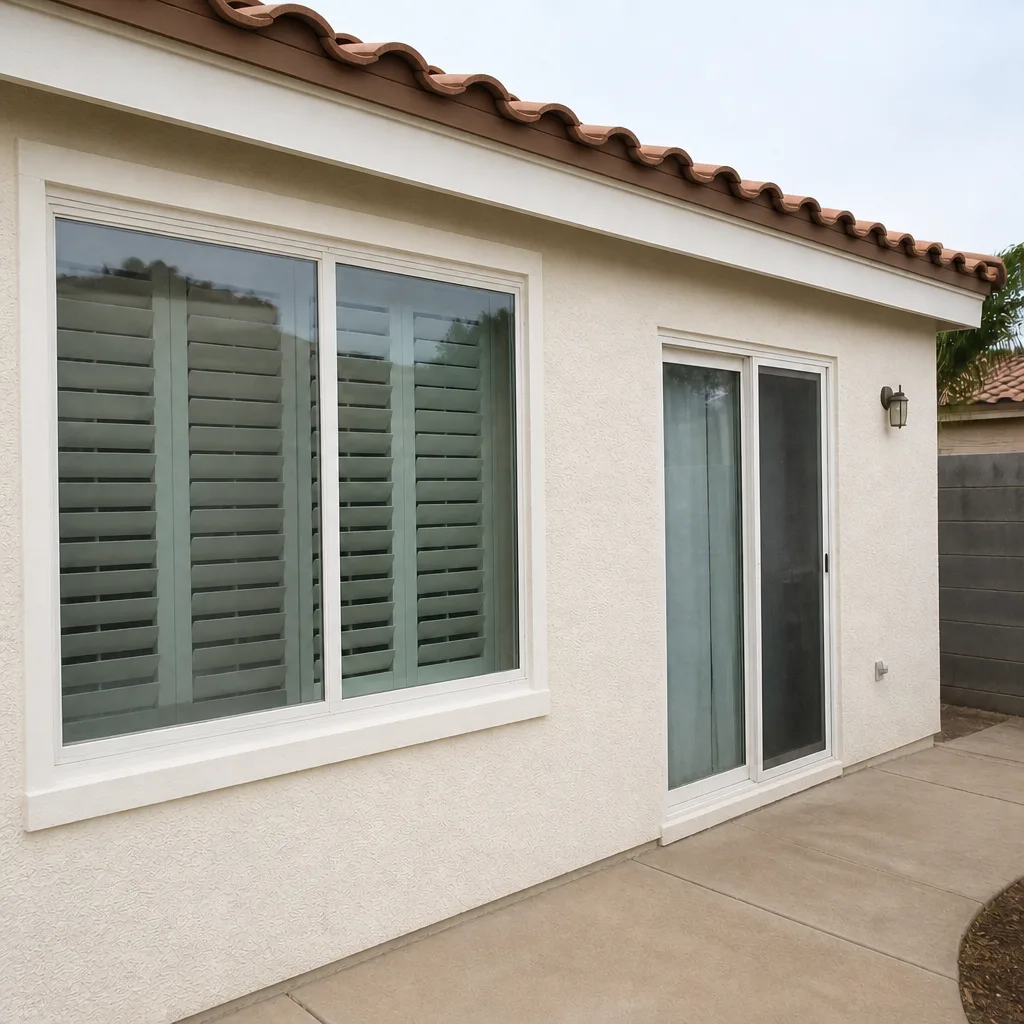 After
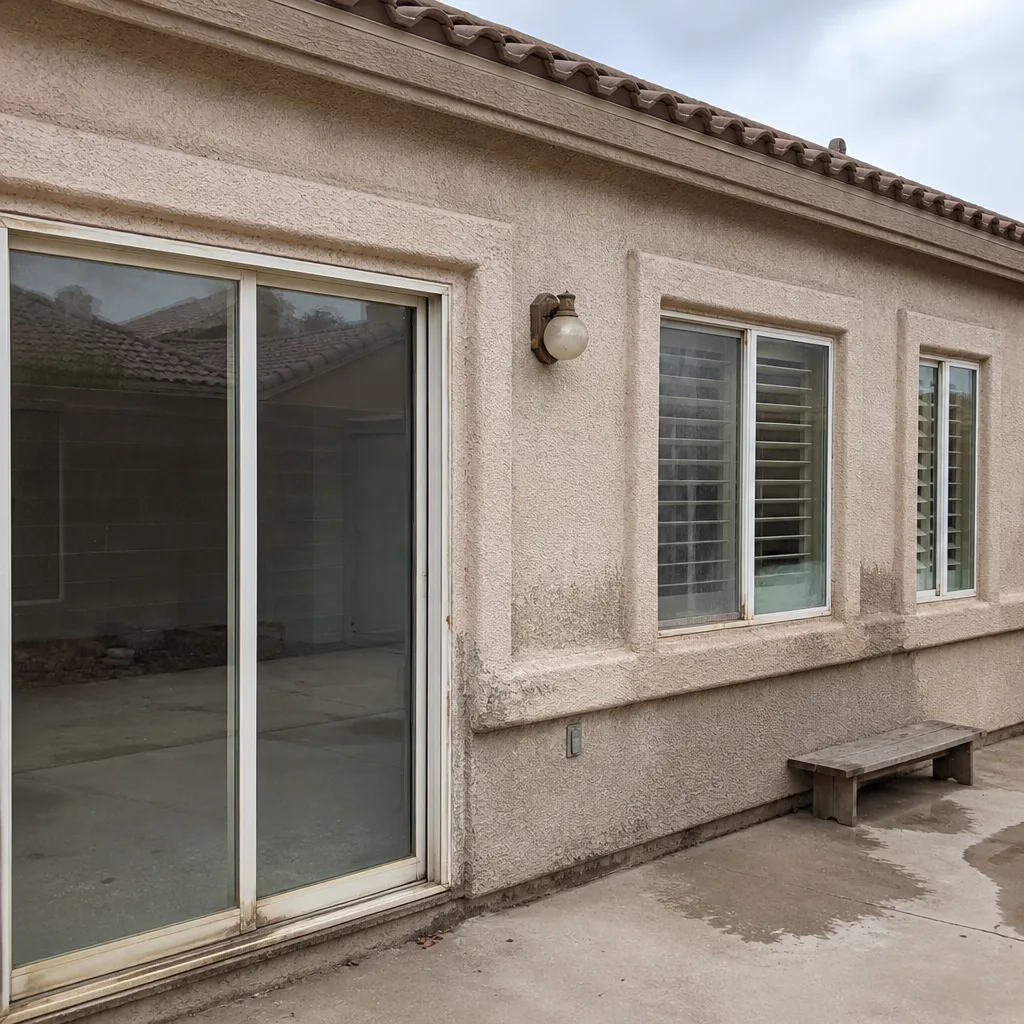 Before
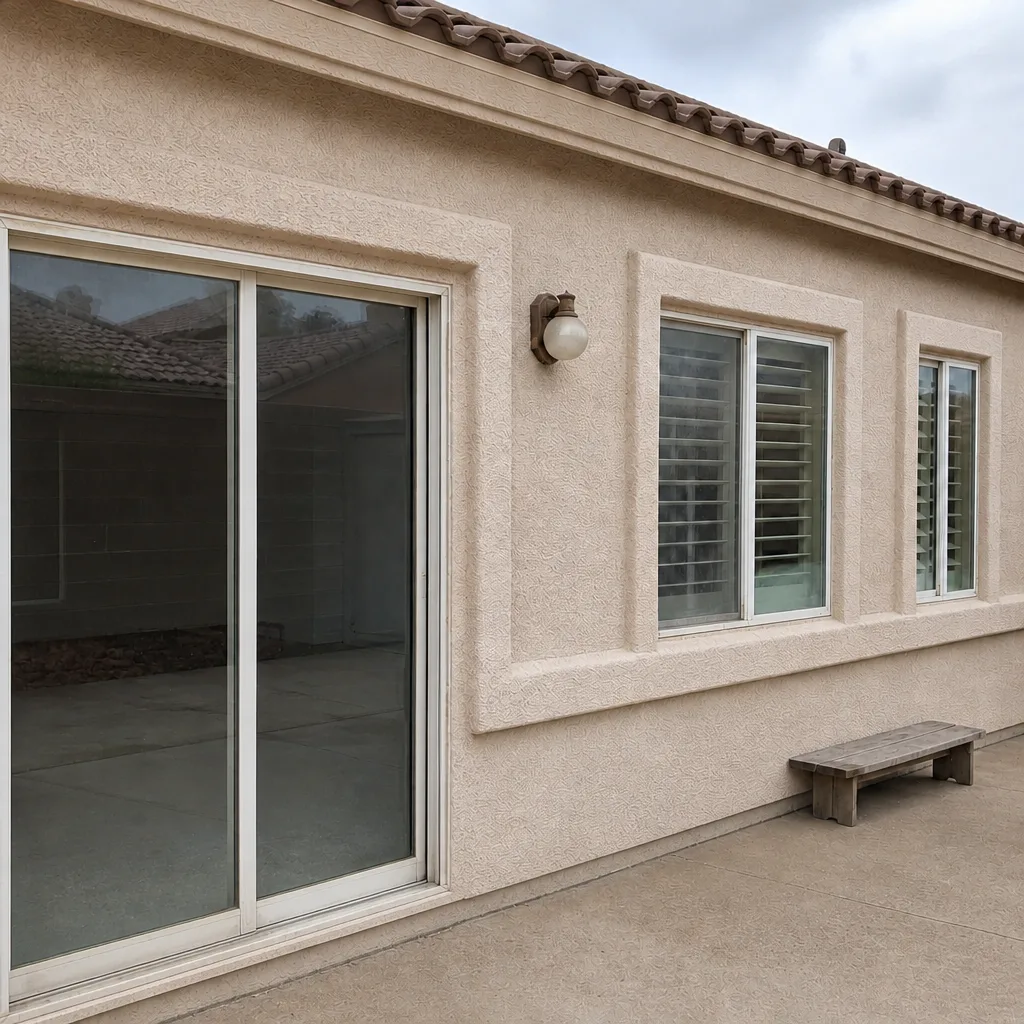 After
When to Call a Professional
Some of this work is homeowner-level: caulking a small perimeter gap, replacing weatherstripping, refreshing the documentation file. Other situations call for a trained eye. Call a professional if you find glass with a failed seal that’s fogging between panes, if a frame is loose in the wall rather than just caulk-gapped, if a door requires force to latch or the frame is swollen, if you’re assessing impact-rated glazing for a specific opening, or if you need a written assessment for an insurance claim. Height and second-story work also belong with a professional. Window Replacement Henderson offers free estimates in Henderson – call (844) 320-4954. We answer 24/7. Fast dispatch from 7am to 7pm, Sunday through Friday.
Frequently Asked Questions
Assess every opening before the season, starting with west- and south-facing glass. Check the perimeter seal, the glass for fogging, the low-E coating, and the hardware. Document what you find with dated photos and keep a copy off-site. The assessment is the foundation; the repairs and upgrades follow from it.
Yes. Impact-rated glazing uses laminated glass with a plastic interlayer that holds the assembly together when struck, so wind-driven debris doesn’t create an open breach. It also resists standard break-in attempts. We supply impact-rated options through PGT and CGI product lines. It doesn’t replace a proper frame and seal, so the whole opening matters.
You can if you anchor into the frame, not the stucco field, and use removable tape instead of adhesive on the finish. Pre-cut a panel, use foam backer, and keep fasteners in the frame or jamb. For second-story openings or damaged frames, call a professional. Call (844) 320-4954 – estimates are free.
Photograph frame condition, glass integrity, and hardware function for every opening, with dates, before storm season. Include manufacturer labels where visible, since brand and model information helps the adjuster value the claim. Keep the file off-site. We can provide a written assessment and a line-item estimate to support the claim documentation.
Pricing depends on the opening, the product line, and the specification, so there’s no single number. The written line-item estimate sets the final price, and we provide it free. Call (844) 320-4954 for an exact quote – estimates are free.
No. The written estimate is the price. We don’t do change orders on work already specified in the estimate, and the scope is agreed before installation. If the assessment turns up something that changes the scope, that’s a conversation before the work starts, not after. Call (844) 320-4954 for a free estimate.
Permitting rules vary by project and jurisdiction, and most cities require a permit for structural opening changes. We handle the permit process where it applies to the work and confirm what’s required before installation. Ask us during the estimate and we’ll walk through it for your specific job.
A single opening is typically a short job; a whole-house replacement runs longer, and door installation adds its own time. The schedule depends on the number of openings, the product line, and whether impact-rated units are specified. Your written estimate includes the expected timeline. Call (844) 320-4954 to schedule a free estimate.
The Bottom Line
Emergency preparedness for a Henderson home includes the windows and doors, not just the water and power plan. Assess every opening before the season, document the condition for insurance, and prioritize the upgrades that address the real hazard mix: low-E performance on west- and south-facing glass, impact-rated glazing on exposed sides, multi-point locks and storm-rated thresholds on doors. Board-up planning works in stucco homes only if you anchor into the frame. Our technicians have up to 10 years of experience, and we carry eight brands so the product is chosen for your home, not for what’s on hand. The right window for your home, not just the one we have in stock, is the standard we work to. Call (844) 320-4954 for a free estimate. We answer 24/7. Fast dispatch from 7am to 7pm, Sunday through Friday.
Written by the team at Window Replacement Henderson.