Last updated November 18, 2026
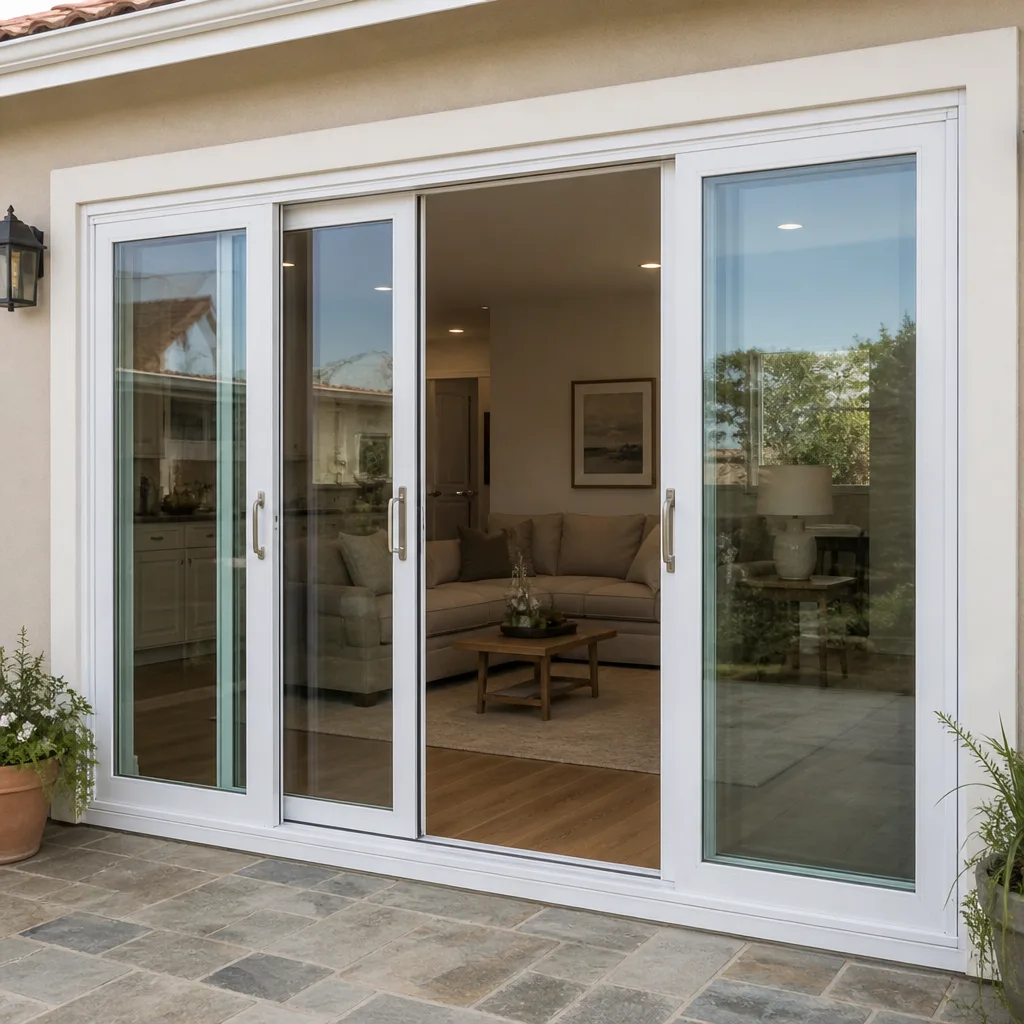 Sliding glass doors
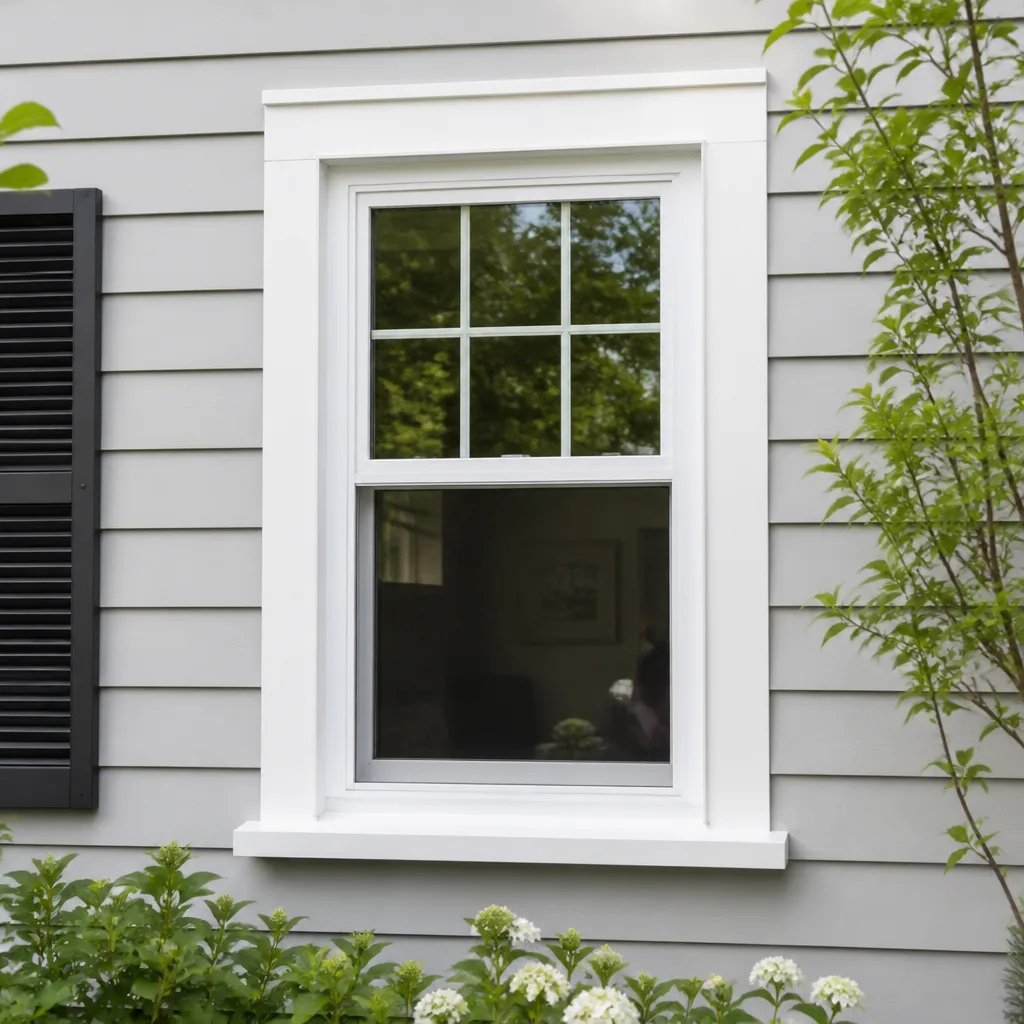 Single hung
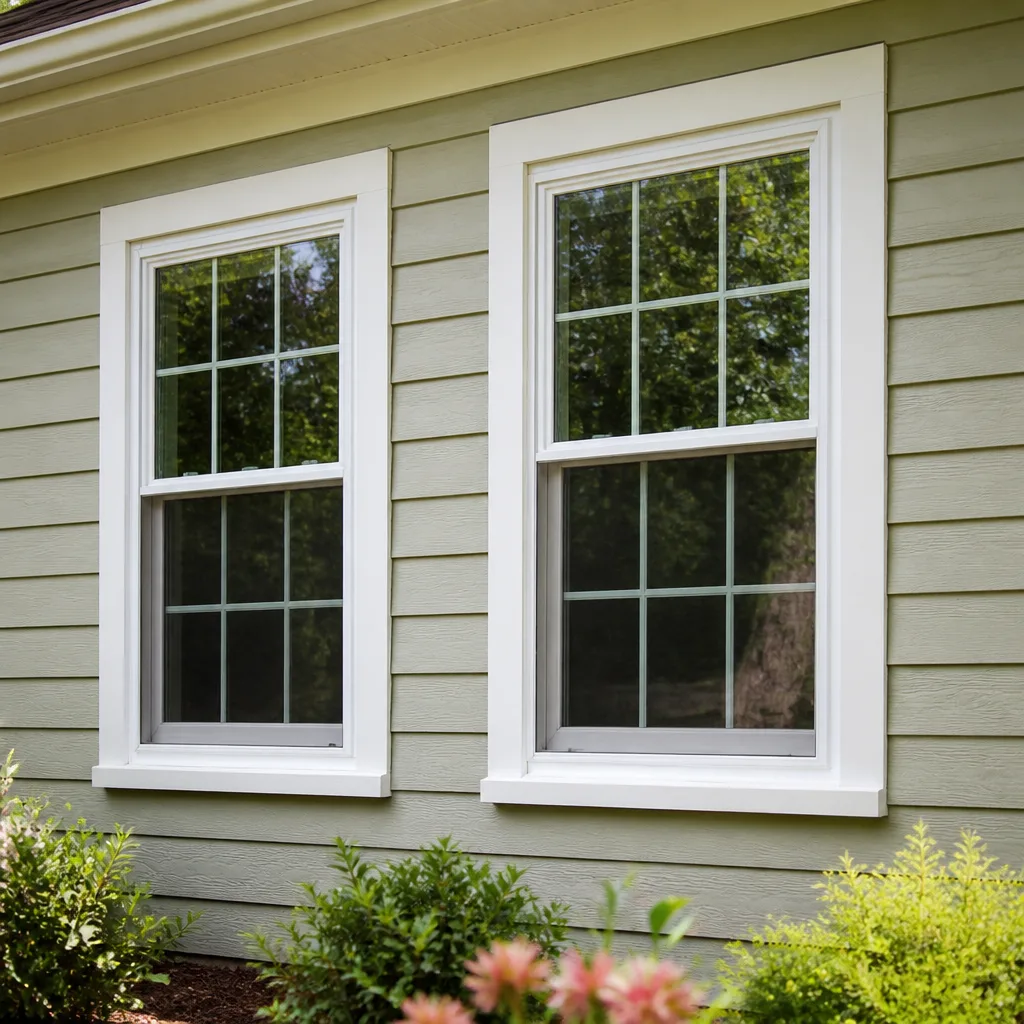 Double hung
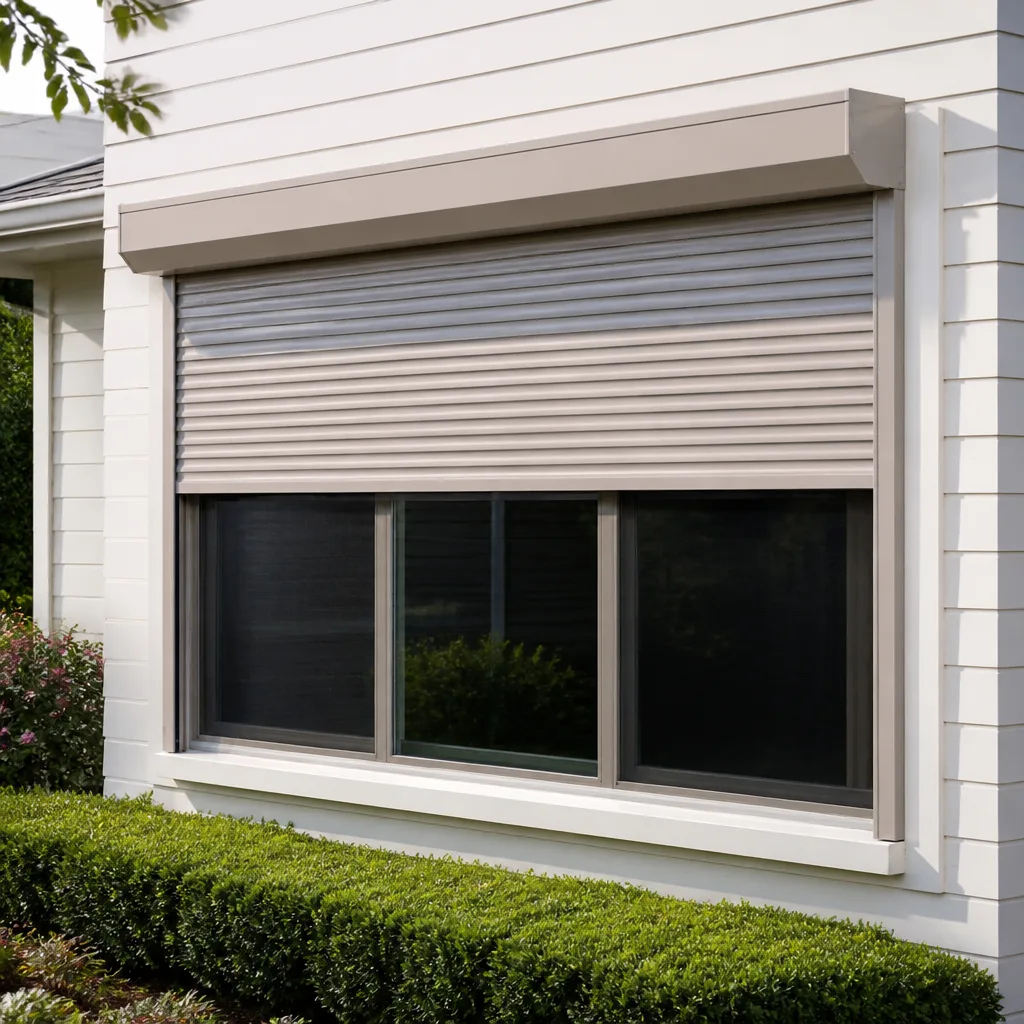 Horizontal roller
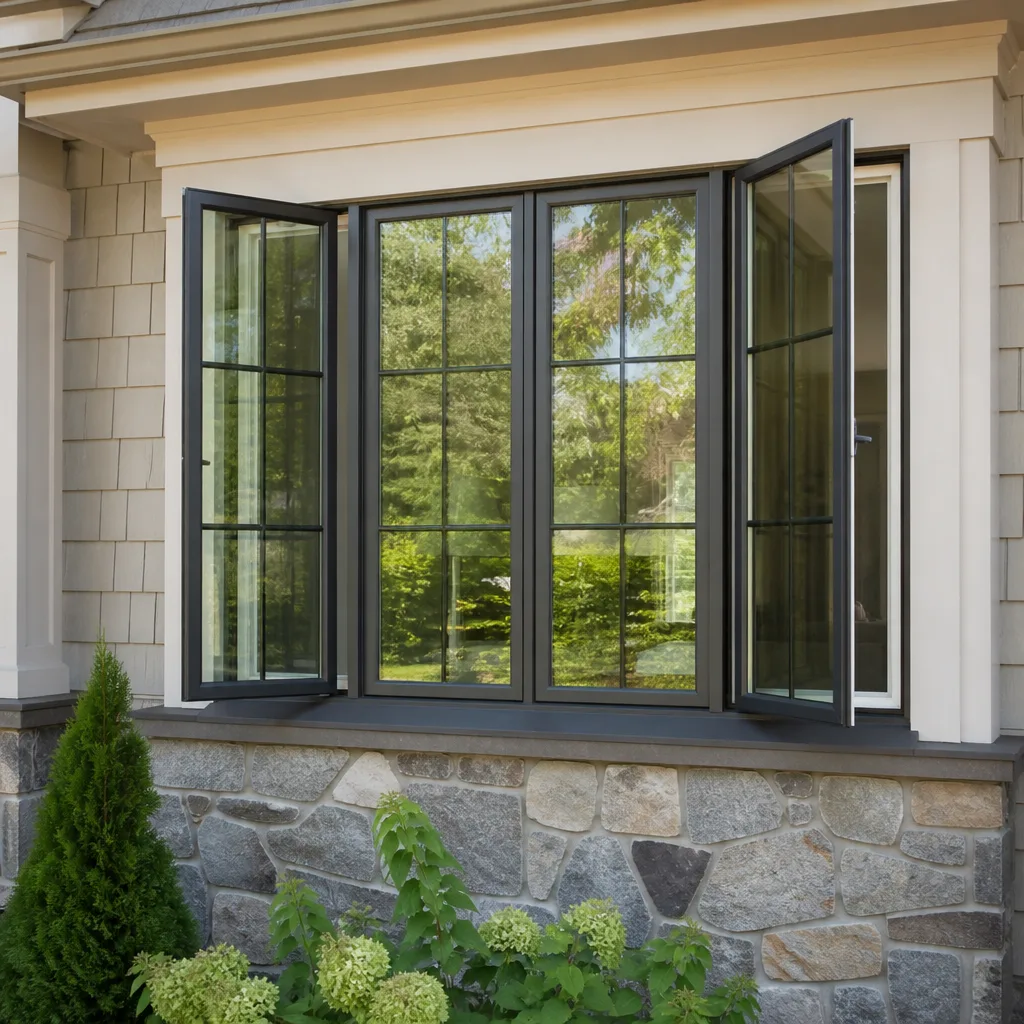 Casement
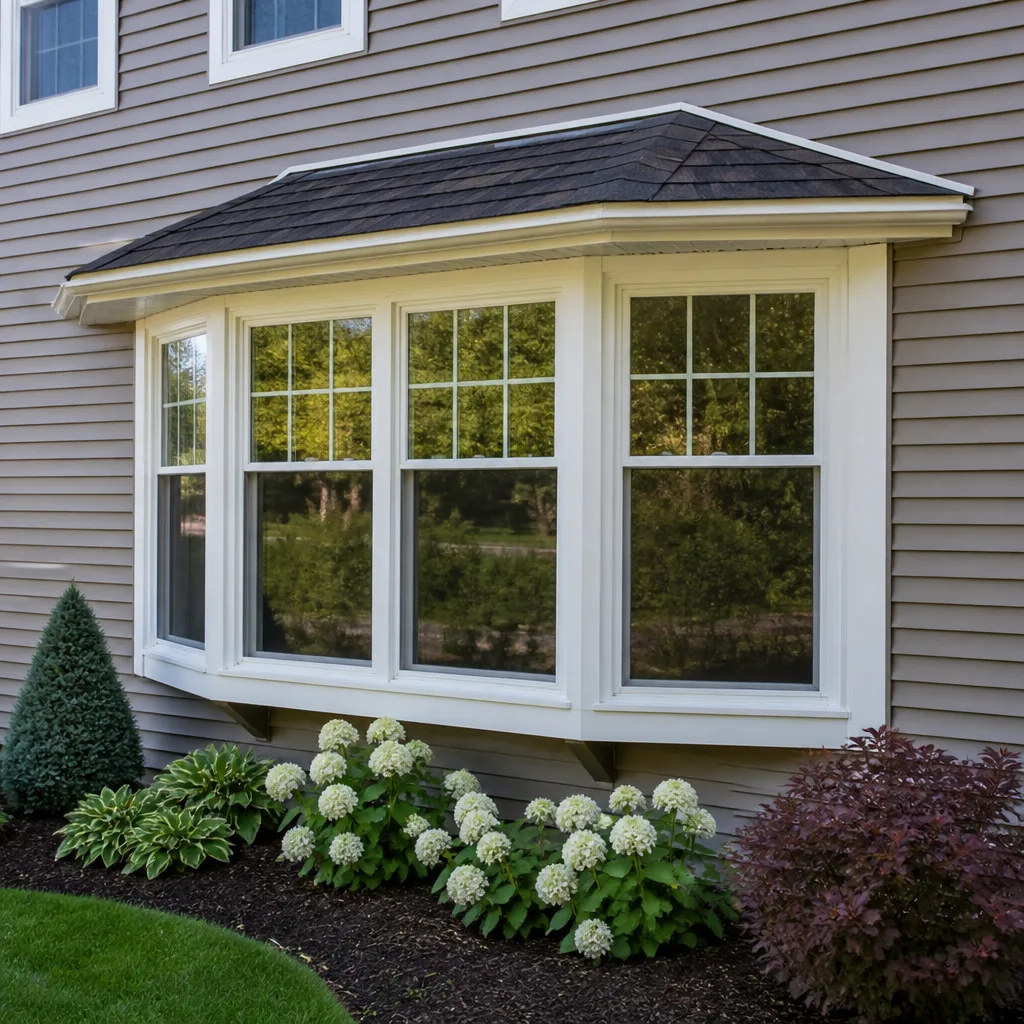 Bay & bow
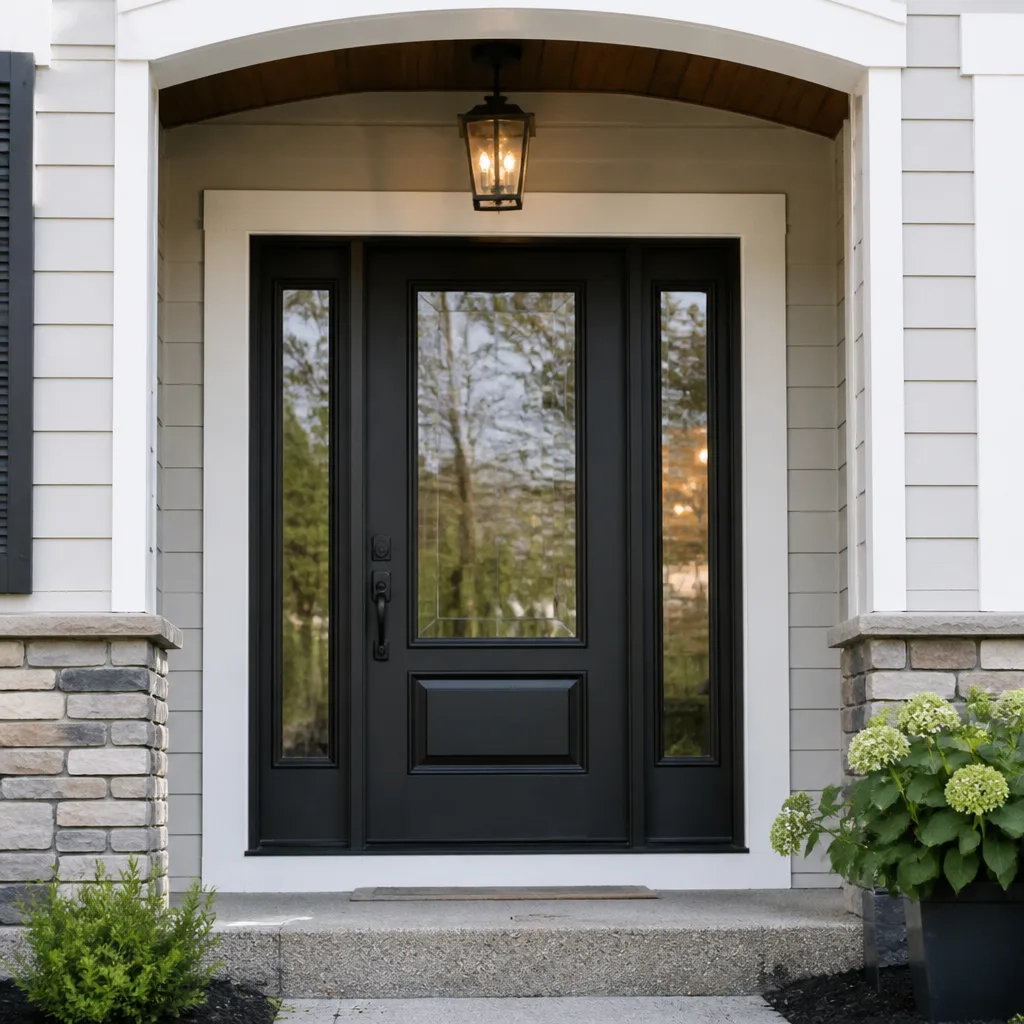 Entry doors
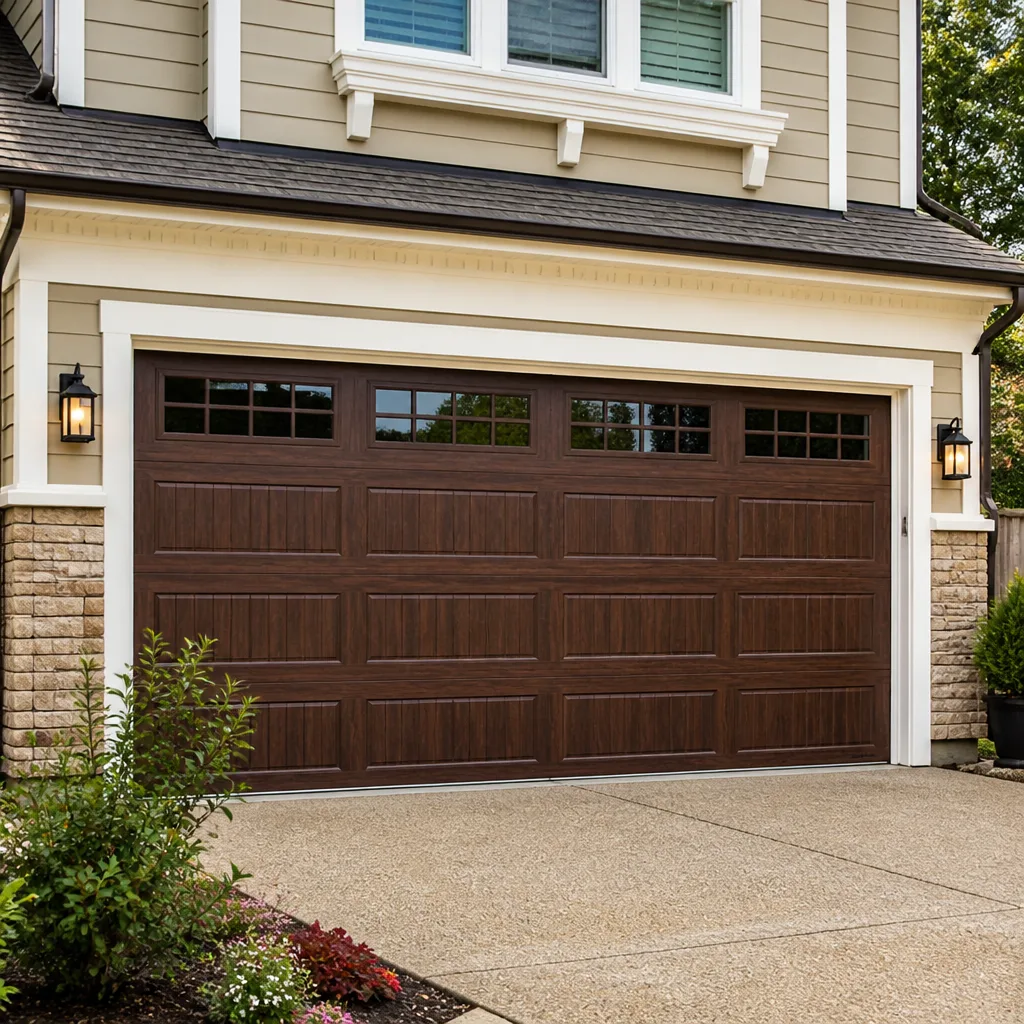 Impact garage doors
 PGT
 CGI
Free in-home measure and quote - PGT, CGI and CWS impact lines compared on your actual openings, style by style
Get your free estimateChoosing the Right Windows & Doors Brand: A Buyer’s Guide for Henderson
A brand that dominates installations in northern Nevada may be engineered around thermal retention for cold winters, which is close to the opposite of what a south-facing elevation in Henderson actually needs. The national charts and consumer surveys that rank window brands by popularity measure something different from what your house will experience: 110-degree afternoons, intense high-desert sun, and wind events that push hard against glass. This guide maps brand strengths to the specific conditions homes here face, shows you how to read a spec sheet against this climate rather than a national average, and explains why the width of your installer’s brand portfolio matters as much as any single name on a label.
Styles & brands we work with
- Single hung
- Double hung
- Horizontal roller
- Casement
- Bay & bow
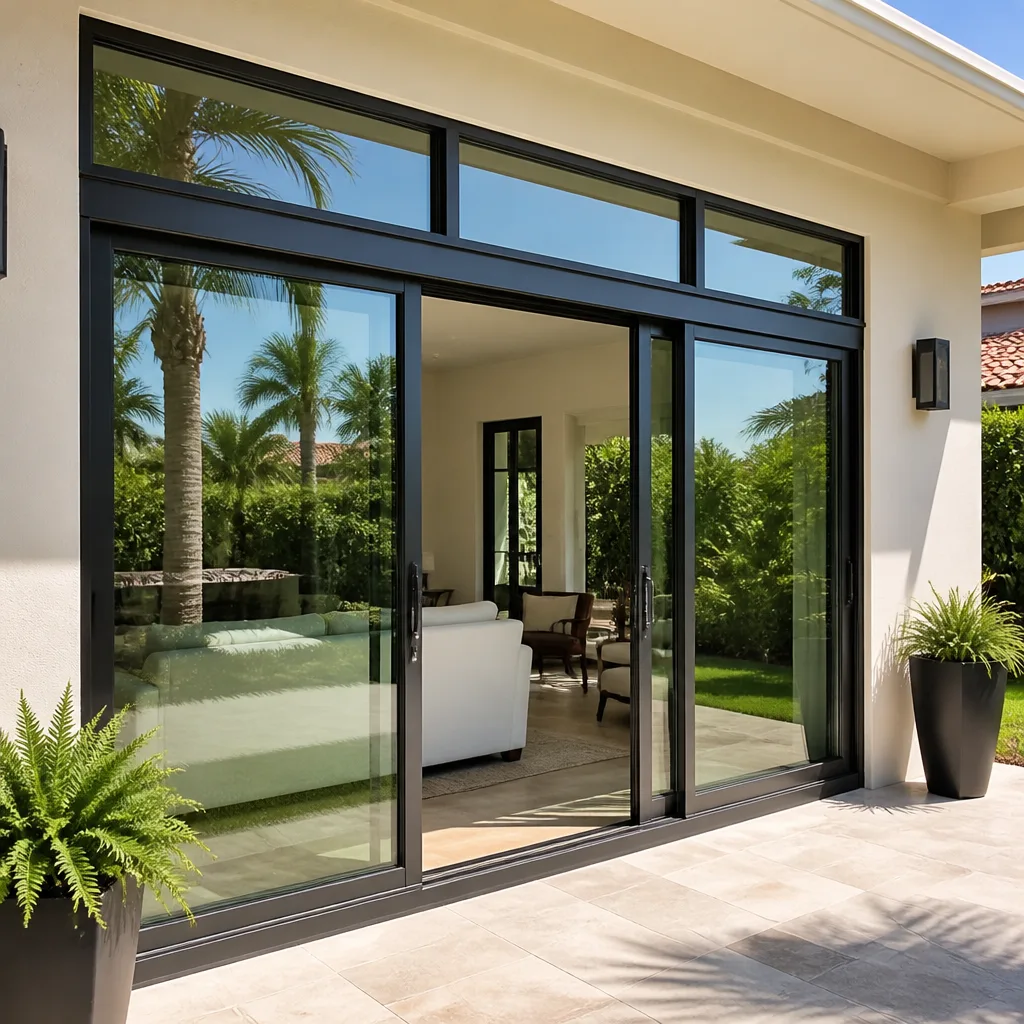
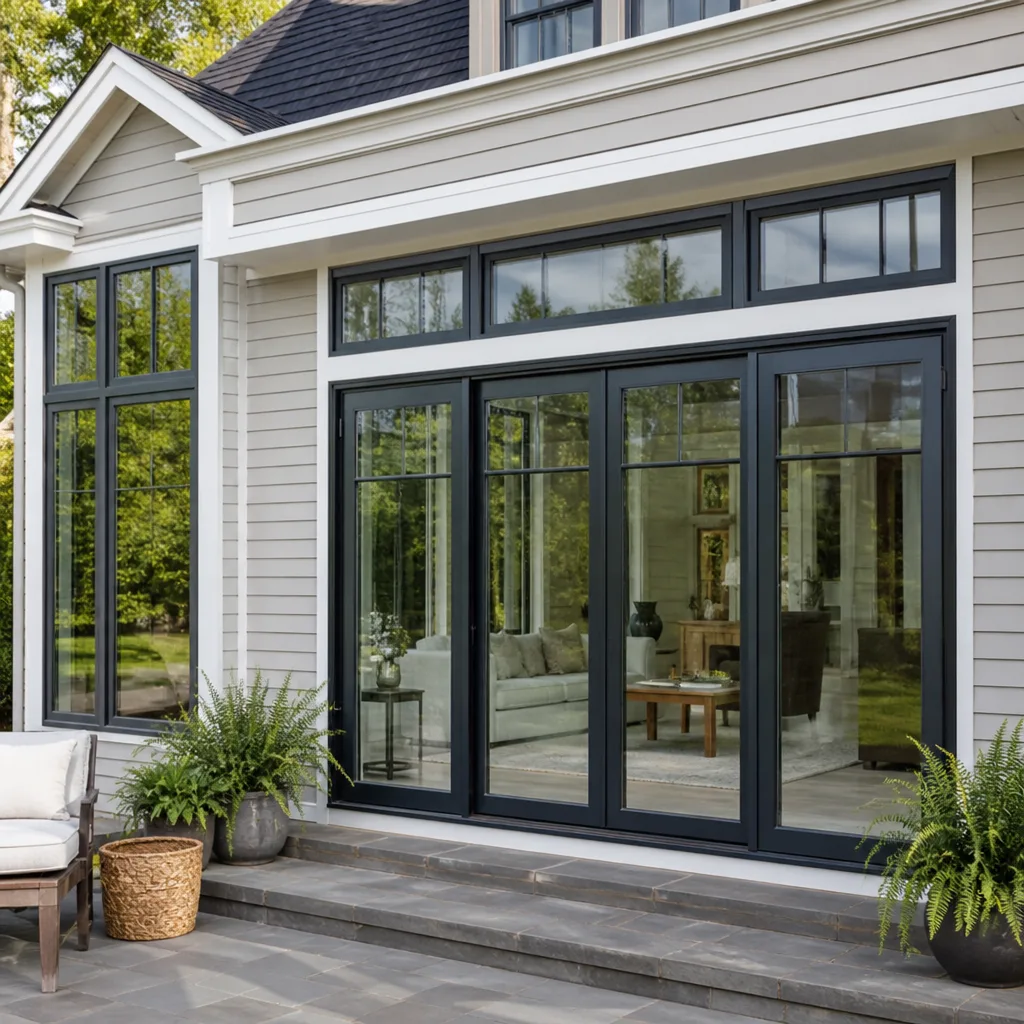
- Sliding glass doors
- Entry doors
- Impact garage doors
- PGT
- CGI
Quick Answer
The right window brand in Henderson is the one whose performance numbers match your orientation and exposure, not the name that ranks highest in a national survey. For west- and south-facing glass, look for products with a low solar heat gain coefficient and strong UV control; for openings exposed to wind-driven debris, choose impact-rated lines from manufacturers that engineer specifically for that performance category. The best decision comes from comparing several brands side by side against your home’s actual conditions, which is only possible when your installer carries a genuinely wide portfolio.
Table of Contents
- Why Brand Selection in Henderson Isn’t About Popularity
- How to Read SHGC and U-Factor Against Henderson’s Climate
- What “Impact-Rated” Really Means Across Brand Lines
- A Brand Warranty Comparison Framework for Nevada Homes
- Why Dealer Exclusivity Limits Your Options
- Matching Brand to Opening Type: Windows and Doors Differ
- Doors Are a Separate Decision: Therma-Tru and the Entry Envelope
- A Step-by-Step Brand Evaluation Process
- Common Mistakes to Avoid
- When to Call a Professional
- Frequently Asked Questions
- The Bottom Line
Why Brand Selection in Henderson Isn’t About Popularity
Most window brand rankings you’ll find online are built from national sales volume or consumer satisfaction surveys. Neither tells you how a product line will behave on a west-facing wall in Henderson in July. A brand optimized for cold-climate heat retention is designed to let solar gain in and keep it there. That’s the correct engineering for Minnesota. It’s the wrong engineering for a house that already absorbs enormous solar load through the afternoon.
The practical consequence: a brand can be excellent and still be the wrong fit for a specific opening in a specific home here. What you want is a manufacturer whose catalog actually contains a product engineered for high-solar-gain, high-UV, wind-exposed conditions, and an installer whose portfolio is wide enough to put that product in front of you.
That’s the core argument for multi-brand evaluation. We carry eight brands precisely because no single manufacturer is the best answer to every opening in every home. PGT and CGI both engineer impact-rated products built around storm and wind resistance. ECO Window Systems and ES Windows offer energy-performance options at different price points. ViewLux covers stylistic flexibility. Therma-Tru handles entry and patio doors. When an installer carries one line, the recommendation is predetermined. When the portfolio is wide, the recommendation can be based on fit.
For homeowners comparing replacement options, the useful question is never “which brand is best” in the abstract. It’s “which product in which line performs best for this elevation, this opening type, and this budget.” That question requires a catalog with range in it.
How to Read SHGC and U-Factor Against Henderson’s Climate
Every window sold in the US carries performance ratings from the National Fenestration Rating Council. Two numbers matter most for a desert climate, and they pull in opposite directions from what a cold-climate buyer would prioritize.
- SHGC (Solar Heat Gain Coefficient): the fraction of solar radiation that passes through the glass and becomes heat inside. Lower is better for blocking afternoon sun. A low-SHGC glass is doing the most work on west and south elevations.
- U-Factor: how quickly heat moves through the whole window assembly. Lower means better insulation. In Henderson this matters most in winter evenings and in keeping cooled air inside during summer.
- Visible Transmittance (VT): how much daylight gets through. You can push SHGC down too far and end up with glass that feels dim. Balance matters.
- Air Leakage (AL): rated on a scale where lower is tighter. A tight frame and sash assembly reduces the load your HVAC system carries regardless of glass performance.
- Condensation Resistance (CR): higher means less interior sweating. Less critical here than in humid climates, but relevant for bathroom and kitchen windows.
Here’s the trap: national efficiency benchmarks and Energy Star regional criteria are set by climate zone, not by individual elevation and orientation. Two windows on the same Henderson house, one facing north and one facing west, may want different glass packages. A north-facing casement might be fine with a moderate SHGC to preserve daylight. That same glass on the west wall will let in a solar load you’ll feel by 4pm.
Ask your installer to show you the actual NFRC label or spec sheet for each brand under consideration, and to explain the numbers in the context of which direction that window faces. If a contractor can only quote one product’s numbers, you’re not comparing. You’re being sold to.
What “Impact-Rated” Really Means Across Brand Lines
Impact-rated is a performance category, not a brand name and not a uniform standard. A window that passes impact testing is certified to resist a specified impact and remain intact, but the testing protocol, the projectile used, the impact energy, and the subsequent pressure cycling can differ between certification programs. Two brands can both call a product “impact-rated” and have been tested under different conditions.
What this means practically:
- Ask which certification the product carries. Impact ratings come through recognized testing and certification programs, and the label will name the standard the product was tested to. Different standards apply different projectiles and pressures.
- Ask what “impact-rated” covers in that product. In some lines it refers to laminated or composite glass designed to hold together after impact. In others it refers to a reinforced frame and sash assembly. The strongest products address both.
- Ask about the wind zone. Wind-driven debris events are the concern, not hail; hail is uncommon in this part of Nevada. Impact-rated lines from manufacturers that engineer for wind exposure are the relevant comparison here, not storm products built for a hail belt.
PGT and CGI both offer impact-rated product lines, and the two companies approach the category from slightly different engineering directions. That’s exactly why having both available matters: your installer can compare the certification and construction of each against the exposure of a particular opening, rather than presenting a single impact product as the only option.
One caution worth stating plainly: impact-rated glass is not the same as a security product, and it doesn’t make a window unbreakable. It’s a performance rating for wind-borne debris resistance. Understand what the certification actually says before you pay a premium for it.
A Brand Warranty Comparison Framework for Nevada Homes
Warranty language is where brand differences hide in plain sight. Two brands with similar products can have dramatically different coverage once you read the fine print. Use this framework to compare them on equal terms.
- Glass coverage duration. Some brands cover the insulating glass unit for the life of the window; others cap it at a fixed number of years. Get the specific term for glass, and check whether seal failure (the fogging you sometimes see between panes) is covered.
- Frame and sash coverage. Look at what’s excluded. Finish fading, thermal distortion, and cracking are common exclusions, and high-UV desert sun is a legitimate stressor on finishes. A warranty that excludes finish fading is telling you something.
- Labor inclusion. Many manufacturer warranties cover parts only. Ask explicitly whether labor to remove and replace a failed unit is covered, and for how long. This is often the difference between a warranty that’s genuinely useful and one that leaves you paying the install cost on a covered part.
- Transferability. This matters more than most homeowners realize. If you sell the house, can the next owner inherit the remaining warranty? A transferable warranty is a modest but real selling point in a Nevada resale, and it’s worth confirming the transfer terms and any fee.
- Claim process and who handles it. Ask who files the claim: you directly with the manufacturer, or your installer on your behalf. An installer who handles the process for you is worth more than a slightly longer warranty term.
Compare warranties in writing, side by side, for the specific products you’re considering. Different products within the same brand can carry different coverage, so a brand-level summary is not enough. The written estimate and warranty documentation should specify the exact product line and its coverage.
Why Dealer Exclusivity Limits Your Options
A contractor who carries one brand cannot objectively tell you whether a competing line is better for your application. This isn’t a knock on that contractor’s integrity. It’s a structural limit. If the only window in the catalog is Brand A, every recommendation will be Brand A, and the honest answer to “is Brand B better for my west-facing picture window?” is simply unavailable.
Dealer exclusivity arrangements tighten this further. Some manufacturers restrict their dealers from carrying competing lines or incentivize volume with a single brand. When that’s the case, the recommendation you receive reflects the dealership agreement, not a neutral comparison of your options.
What you want instead is someone who can put two or three catalogs on the table and explain why one product suits a particular opening while another suits a different one. That’s the reasoning behind our eight-brand portfolio: PGT, CGI, CWS, ES Windows, ECO Window Systems, Mr-Glass, Therma-Tru, and ViewLux. The point isn’t breadth for its own sake. It’s that breadth is the precondition for an honest recommendation.
A practical test when you interview installers: ask which brand they’d recommend for a large west-facing fixed window and why, then ask which brand they’d recommend for a sliding patio door and why. If the answer is the same single brand for both, ask them to walk you through the alternatives they considered. If they can’t name any, you’ve learned what you needed to know.
Our technicians have up to 10 years of experience, and that experience has been built across multiple manufacturer systems, not one. When we recommend a product, it’s because it fits your opening, not because it’s the line we’re committed to moving.
Matching Brand to Opening Type: Windows and Doors Differ
The right answer for a large fixed picture window facing west is likely a different brand than the right answer for a casement in a high-traffic room. Different brands engineer for different product categories, and treating a manufacturer’s entire catalog as interchangeable across opening types is a real mistake.
- Large fixed picture windows: the priority is glass performance and structural frame strength at a wide span. Low SHGC and low U-factor on a big expanse of west-facing glass does the heaviest lifting. Impact-rated lines make sense here if exposure warrants.
- Operable casements and awnings: hardware durability and air leakage become the drivers, because every operable unit has moving parts and a seal. Look at AL ratings and hardware design.
- Sliding windows: tracks, rollers, and the seal at the meeting rail are where performance degrades first. Brand differences in hardware quality are noticeable over time.
- Entry doors: this is a completely separate product category from windows and deserves its own brand evaluation. Therma-Tru is a nationally recognized name in residential entry and patio doors, and the door’s core construction, thermal break, and hardware all matter independently of any window decision.
- Patio doors: a large glazed opening with the same solar-load concerns as a picture window, plus the mechanical demands of a slider or hinged unit. It sits at the intersection of glass performance and door hardware quality.
The takeaway: evaluate brand category by category, not brand overall. A manufacturer that’s excellent for fixed picture windows may not be the right pick for an operable casement in your kitchen. The installer who can articulate those trade-offs for each opening is the one worth hiring.
If you’re planning a full-house project, that openWindow Replacement Henderson conversation becomes more valuable, because a single-project evaluation across several opening types benefits most from a wide portfolio.
Doors Are a Separate Decision: Therma-Tru and the Entry Envelope
Windows get most of the attention in brand comparisons, but your doors are part of the same exterior envelope and often carry the largest gaps in performance. Entry doors account for a meaningful share of air leakage, and a door’s thermal break, sill design, weatherstripping, and hardware all affect how the home feels. On a large temperature swing day in Henderson, a poorly sealed entry door is as noticeable as a bad window.
The brand logic for doors is different from windows. You’re evaluating core construction (steel, fiberglass, or wood), finish durability under UV exposure, hardware quality, and the seal system at the threshold and jambs. Therma-Tru is one of the most trusted names in residential entry and patio doors, and its product range covers the finish and style flexibility that curb appeal needs.
Because we handle windows and doors together, the two decisions can be evaluated against the same performance goals: the same low-solar-gain thinking that drives a window choice applies to a glazed patio door, and the same attention to sealing detail applies at the door frames. One installer for every opening means fewer seams between trades and one point of accountability for the whole exterior envelope.
If doors are part of your project, ask specifically about door brand options alongside your window comparisons. A window-and-door specialist can tell you where Therma-Tru fits your entry and patio openings and where an alternative makes more sense, rather than treating the door as an afterthought.
A Step-by-Step Brand Evaluation Process
Here’s a repeatable process for narrowing eight possible brands down to the right pick for each opening in your home. Work through it in order.
- Walk the property and note orientation. Identify which windows face west and south (the high solar-load elevations), which face north (daylight priority), and which are exposed to wind-driven debris. This is the framework every brand decision hangs on.
- For each opening, identify the dominant requirement. Is it solar control, insulation, air tightness, impact resistance, or aesthetics? One opening rarely prioritizes all five equally.
- Pull the NFRC ratings for candidate products in each brand line. Compare SHGC, U-factor, VT, and AL against the requirement you identified, not against a national benchmark.
- Confirm impact certifications where exposure warrants. Ask which standard the product was tested to and what the rating covers.
- Compare warranties in writing. Glass term, frame term, labor coverage, transferability, and claim process, product by product.
- Ask the installer why they’d choose one brand over another for each opening. A well-reasoned answer that names trade-offs is what you’re after. A one-brand answer is a warning sign.
- Get the written estimate for the selected products. Confirm the exact product lines, glass packages, and warranty coverage in the document before any work begins.
This process takes an afternoon of comparison, and it’s the difference between choosing a brand and having a brand chosen for you. If your project includes replacing several units at once, matching products to openings duringwindow installation is where the effort pays off.
Common Mistakes to Avoid
- Choosing based on a national ranking. A brand that tops a national survey may be optimized for a climate opposite to yours. Rankings measure popularity, not fit for a west-facing wall in Henderson.
- Treating “impact-rated” as one uniform standard. Different brands certify to different protocols and different projectiles. Ask which standard and what it covers before paying a premium for the category.
- Comparing brand-level warranties instead of product-level ones. Coverage varies between products within the same brand. Compare the exact product’s warranty in writing, including labor and transferability.
- Accepting a single-brand recommendation without asking about alternatives. If your installer carries one line, the recommendation is predetermined. Ask which other brands were considered and why they weren’t chosen.
- Using the same glass package on every elevation. A north-facing window and a west-facing window on the same house have different needs. One glass spec for the whole home is usually a compromise, not a plan.
- Overlooking the finish warranty under UV. High-desert sun is hard on exterior finishes. Check whether the brand’s warranty excludes finish fading before you choose a color.
- Treating doors as an afterthought. Entry and patio doors are part of the exterior envelope and carry their own brand and performance evaluation. Don’t let the door get defaulted.
When to Call a Professional
Some brand decisions are straightforward. A single failed glass unit in a standard opening doesn’t demand a full brand comparison; it demands the right replacement product matched to the existing frame. But when you’re evaluating multiple openings, when orientation and exposure differ across the house, or when doors are part of the project, the comparison gets complicated fast and benefits from an installer who carries real range.
Call a professional if you’re planning to replace several units at once, if you’re unsure which elevation needs which glass package, if you’re comparing warranty terms and can’t tell which coverage actually protects you, or if impact-rated products are among your options and you need to understand what the certification covers. A window and door specialist can read the spec sheets with you and explain where each brand fits.
Free estimates are part of the process, and the written estimate sets the final price. Call (844) 320-4954. We answer 24/7. Fast dispatch from 7am to 7pm, Sunday through Friday.
Frequently Asked Questions
There’s no single best brand for every home here, because the right answer depends on orientation, opening type, and exposure. A brand that’s excellent for thermal retention in a cold climate may be a poor match for a west-facing elevation in this desert climate. The better question is which product line’s SHGC, U-factor, and certification suit a specific opening. Comparing several brands side by side is the only way to answer it honestly, and we carry eight brands so that comparison is possible. Call (844) 320-4954 for a free estimate.
Lower SHGC matters most on west and south elevations where afternoon solar load is heaviest, and low U-factor helps in both summer cooling and winter heating. Instead of a national benchmark, ask for the NFRC ratings on each candidate product and evaluate them against the direction each window faces. A single glass package for the whole house is usually a compromise. A professional can walk you through the numbers opening by opening. Call (844) 320-4954 to schedule your free estimate.
Impact-rated windows are worth considering where an opening is exposed to wind-driven debris, and the value depends on which certification the product carries. Impact-rated is a performance category with different testing protocols between brands, so two “impact-rated” products may not be tested to the same standard. PGT and CGI both offer impact-rated lines engineered for storm and wind resistance. Ask which standard applies and what the rating covers before deciding. Call (844) 320-4954 for an exact comparison.
No, the written estimate sets the price. Estimates are free, and the line-item quote should specify the exact product lines, glass packages, and warranty coverage for each opening before any work begins. Confirm the products in writing when you compare brands so that two quotes are genuinely comparable. Call (844) 320-4954 for a written estimate.
Not a full one. A contractor who carries one brand cannot objectively tell you whether a competing line is better for your application, because the alternative isn’t in the catalog. That’s why we carry eight brands, including PGT, CGI, and Therma-Tru, so recommendations can be based on fit rather than inventory. Ask any installer which brands they considered and why they excluded the rest. Call (844) 320-4954 to compare options.
Yes, we install both windows and doors, including Therma-Tru entry and patio doors. Doors are part of the same exterior envelope and deserve their own brand evaluation based on core construction, finish durability, hardware, and sealing at the threshold. Handling windows and doors together means one point of accountability for every opening. Call (844) 320-4954 for a free estimate.
The Bottom Line
Brand selection in Henderson is about fit, not national popularity. Read the NFRC numbers against the direction each opening faces. Treat impact-rated as a performance category that varies by certification, not a uniform label. Compare warranties at the product level, including glass term, labor coverage, and transferability. And give serious weight to the width of your installer’s portfolio, because a single-brand dealer can’t tell you whether a competing line suits your opening better. Match brand to opening type across windows and doors, get the comparison in writing, and let the written estimate set the price. Comparing options is wherewindow replacement decisions are made well, and it’s a step worth taking before you commit.
When you’re ready to talk through brands for your home, call (844) 320-4954 for a free estimate. We answer 24/7. Fast dispatch from 7am to 7pm, Sunday through Friday. We work throughout Henderson and the surrounding area, and we’ll walk you through the options honestly so the product fits your home, not the other way around. You can also learn more about how we approachHenderson projects and what to expect from a free estimate. Our technicians have up to 10 years of experience across multiple manufacturer systems, and every estimate is free with the final price set by the written quote.
Written by the team at Window Replacement Henderson.
See the difference
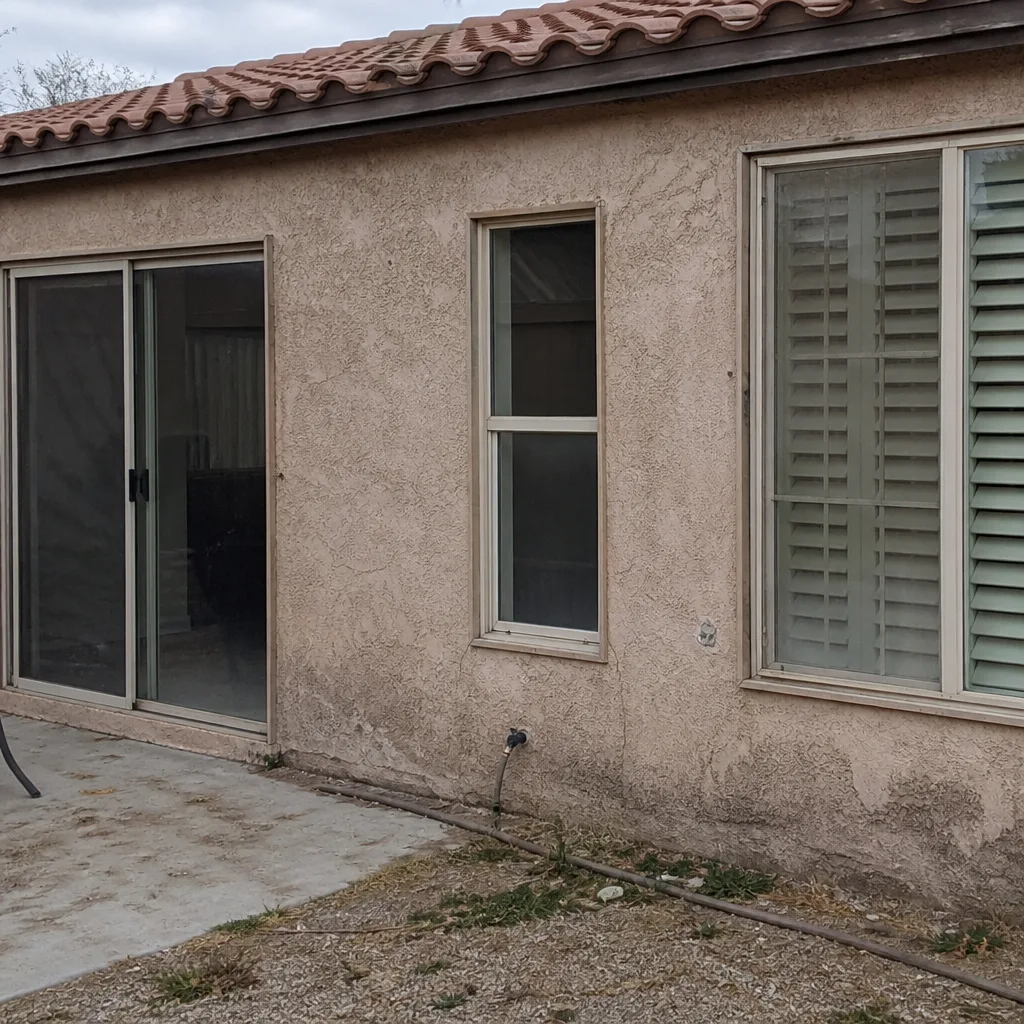 Before
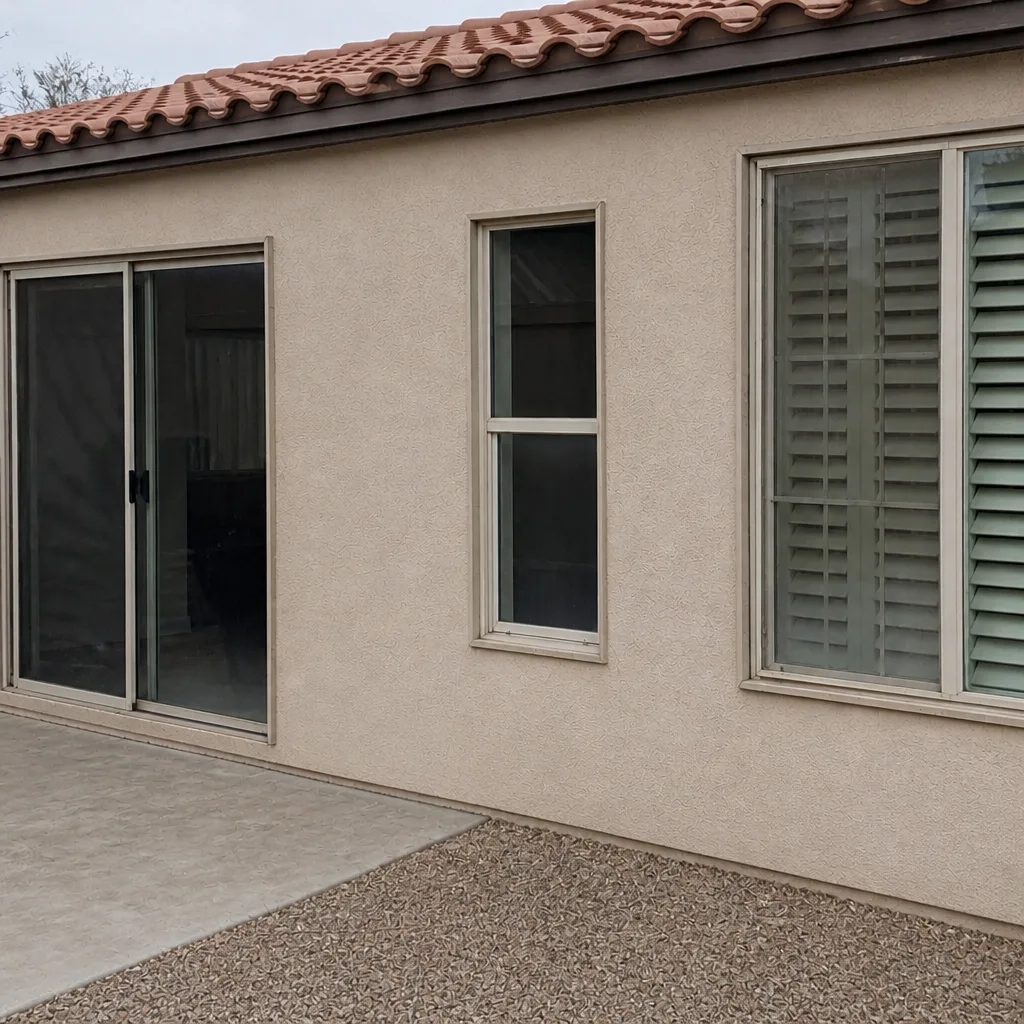 After
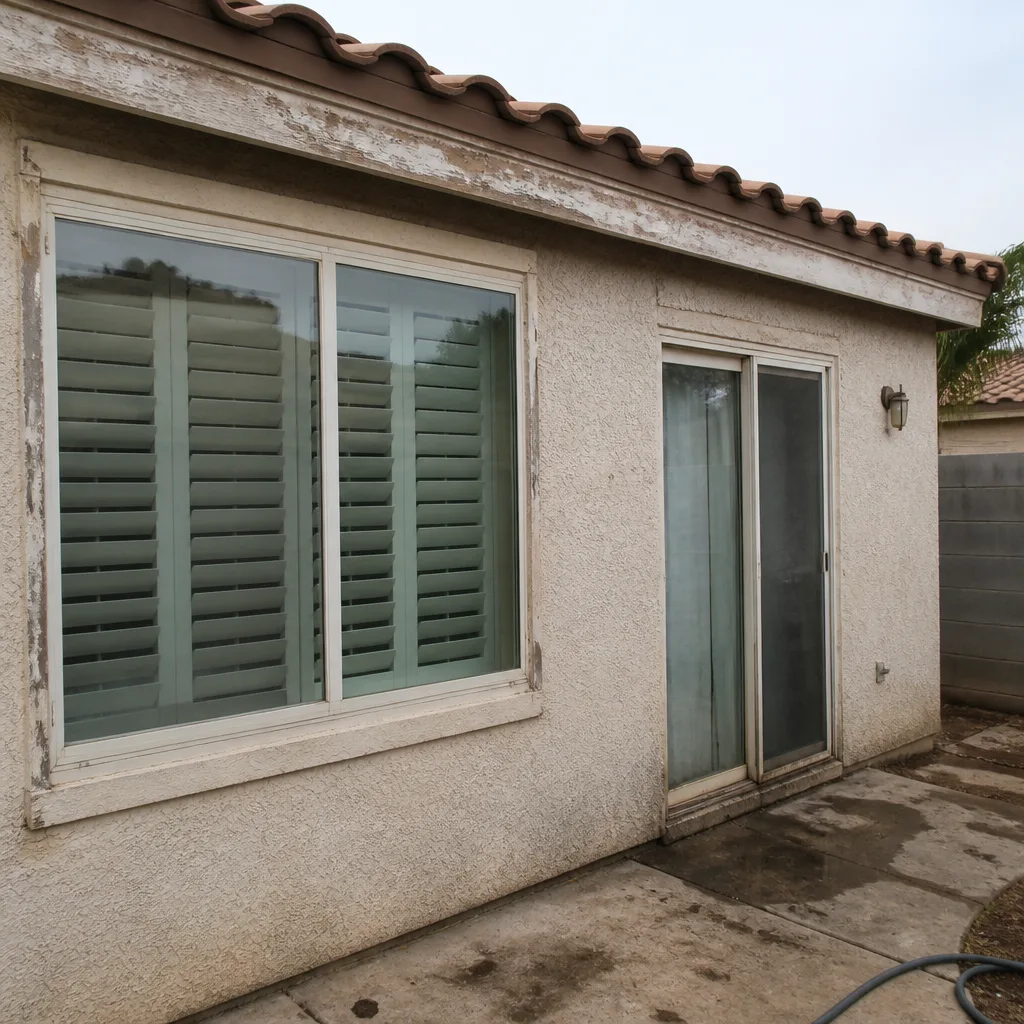 Before
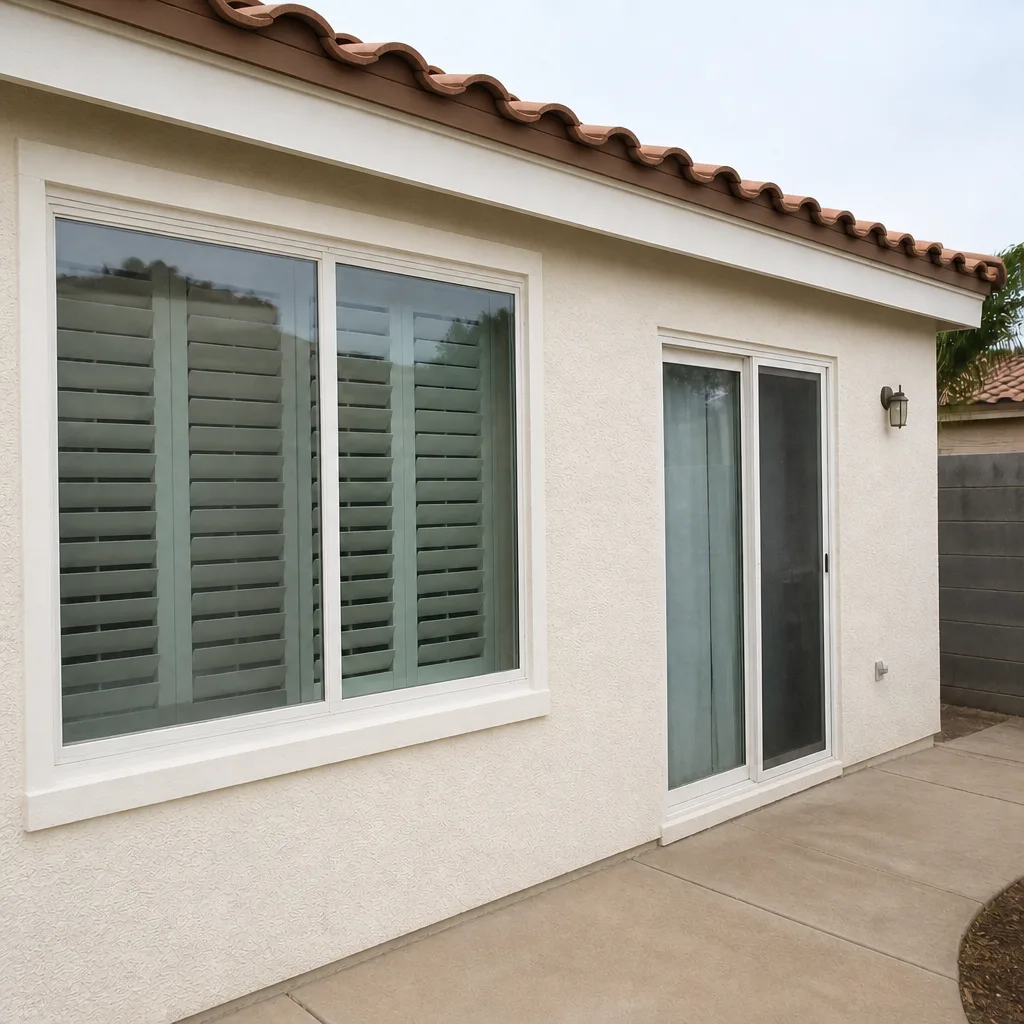 After
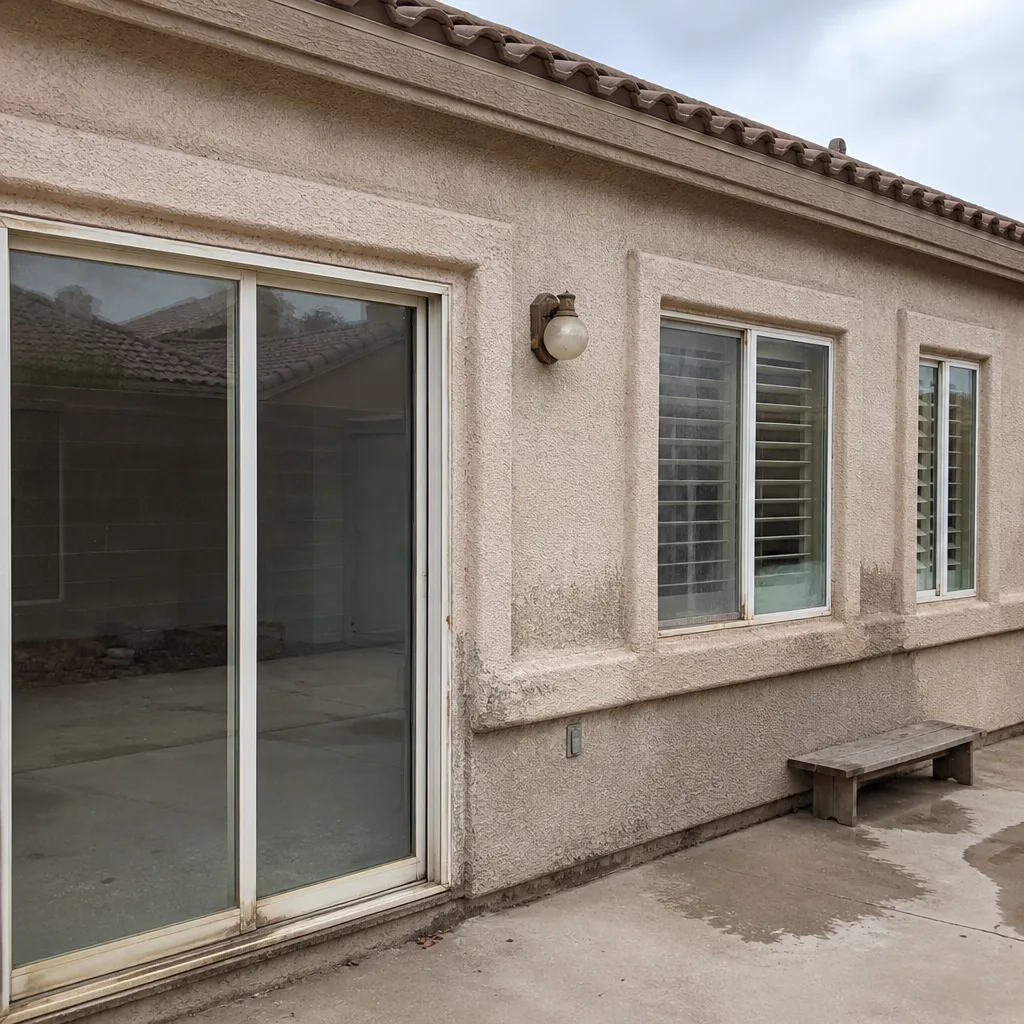 Before
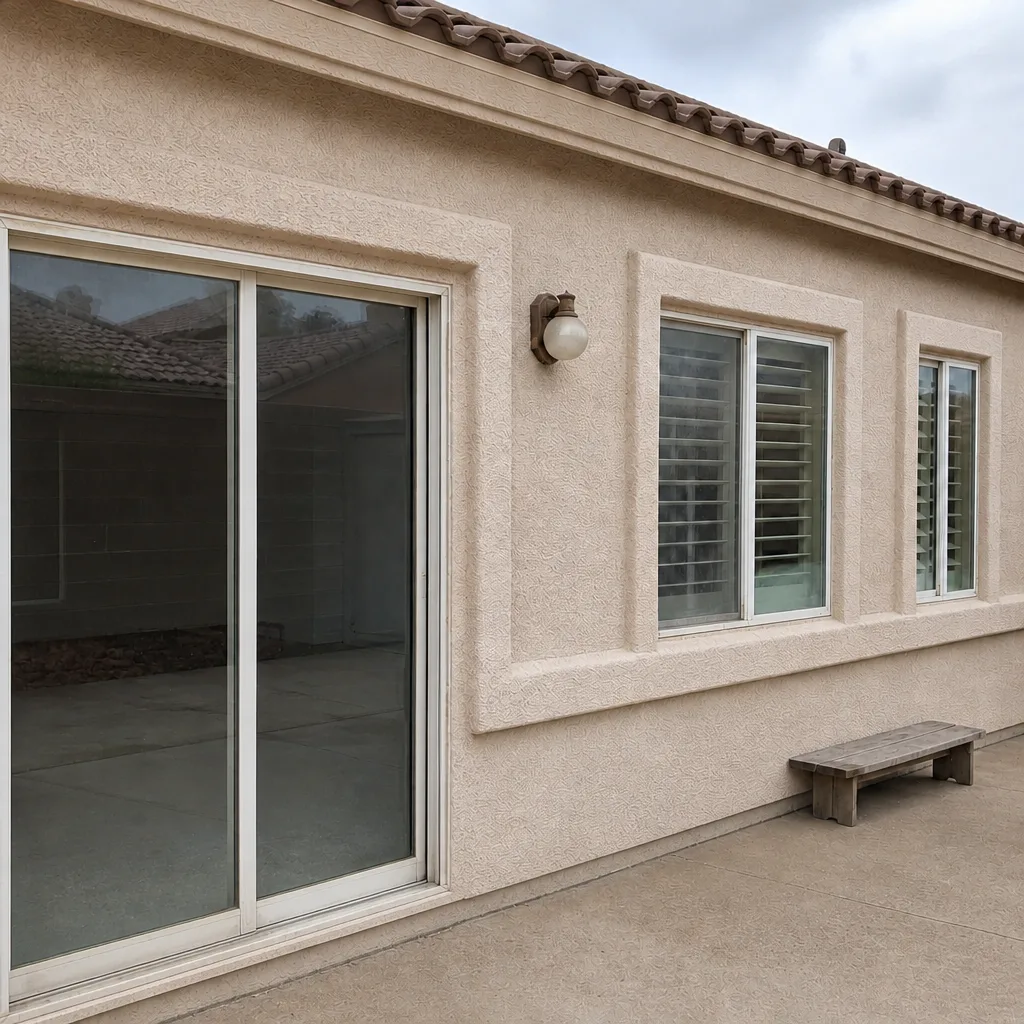 After