Last updated November 18, 2026
 Sliding glass doors
 Single hung
 Double hung
 Horizontal roller
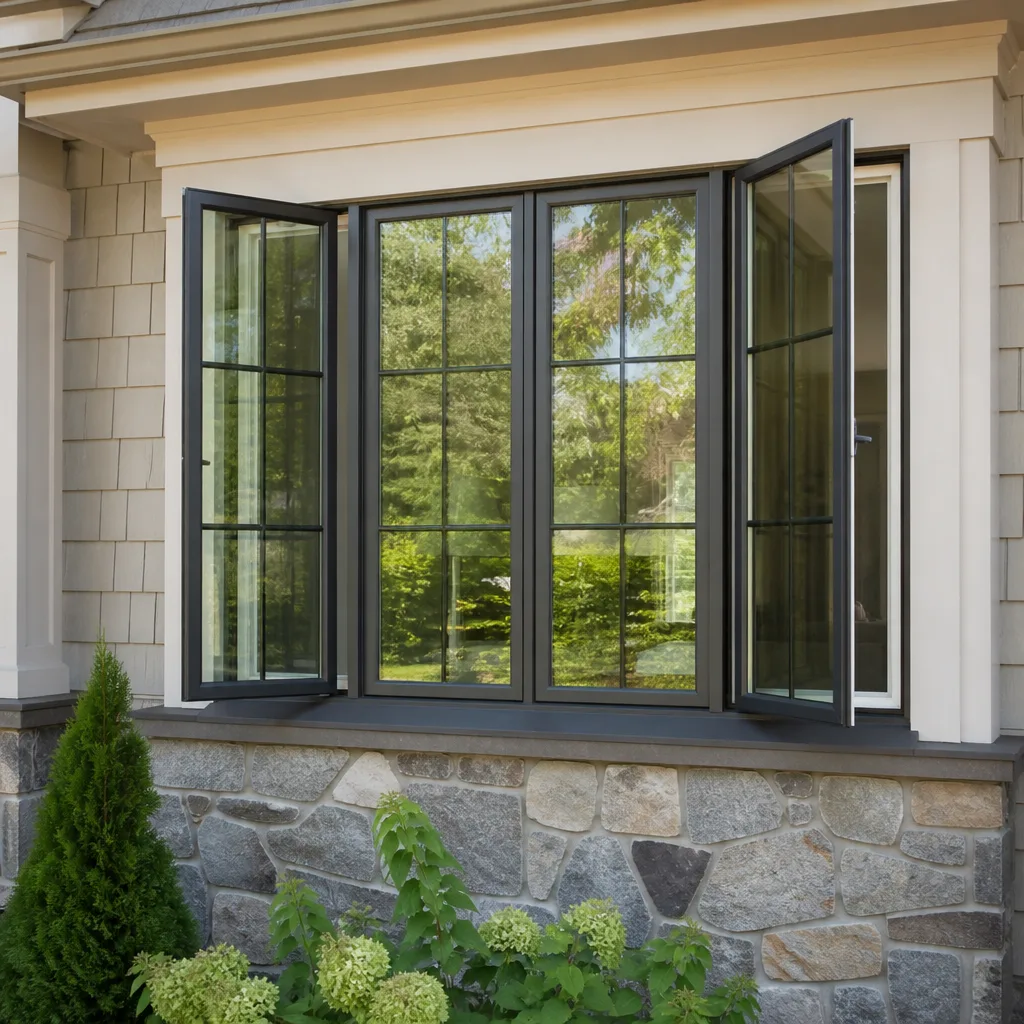 Casement
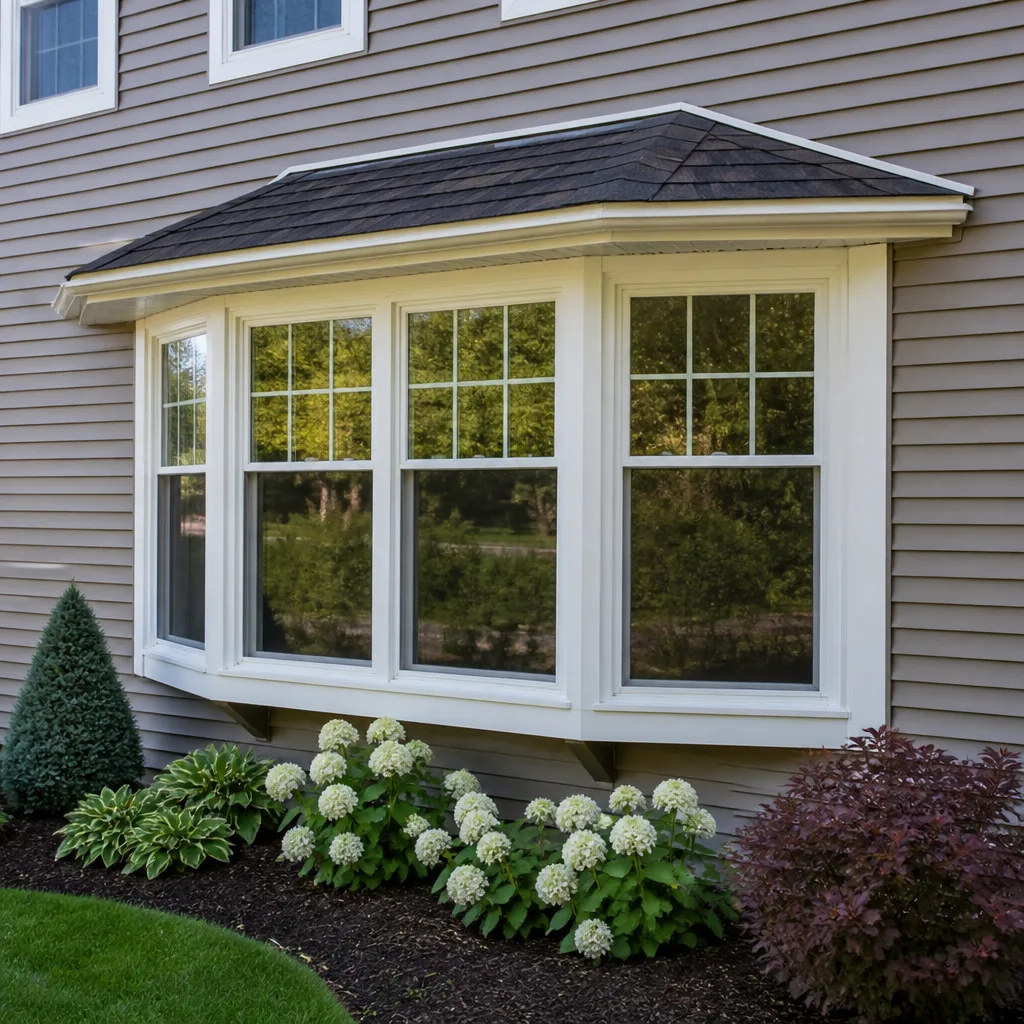 Bay & bow
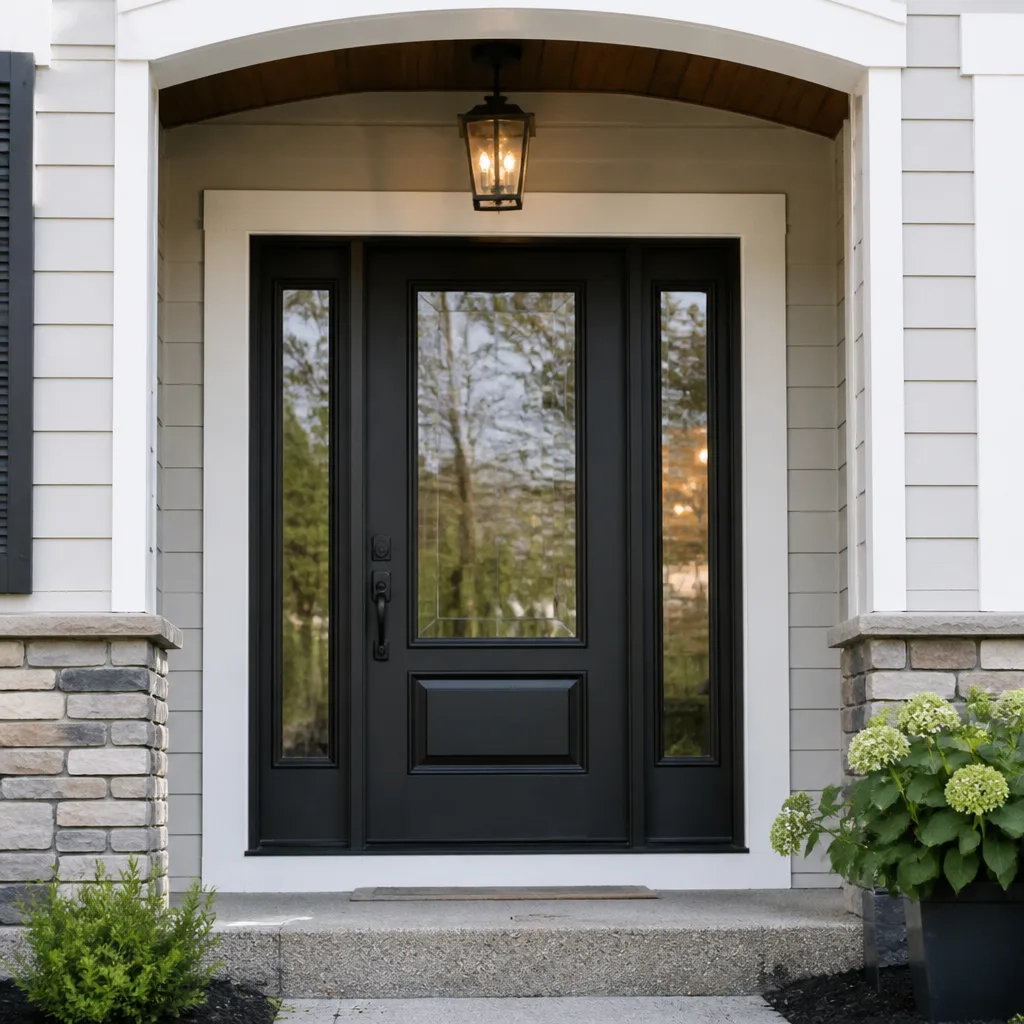 Entry doors
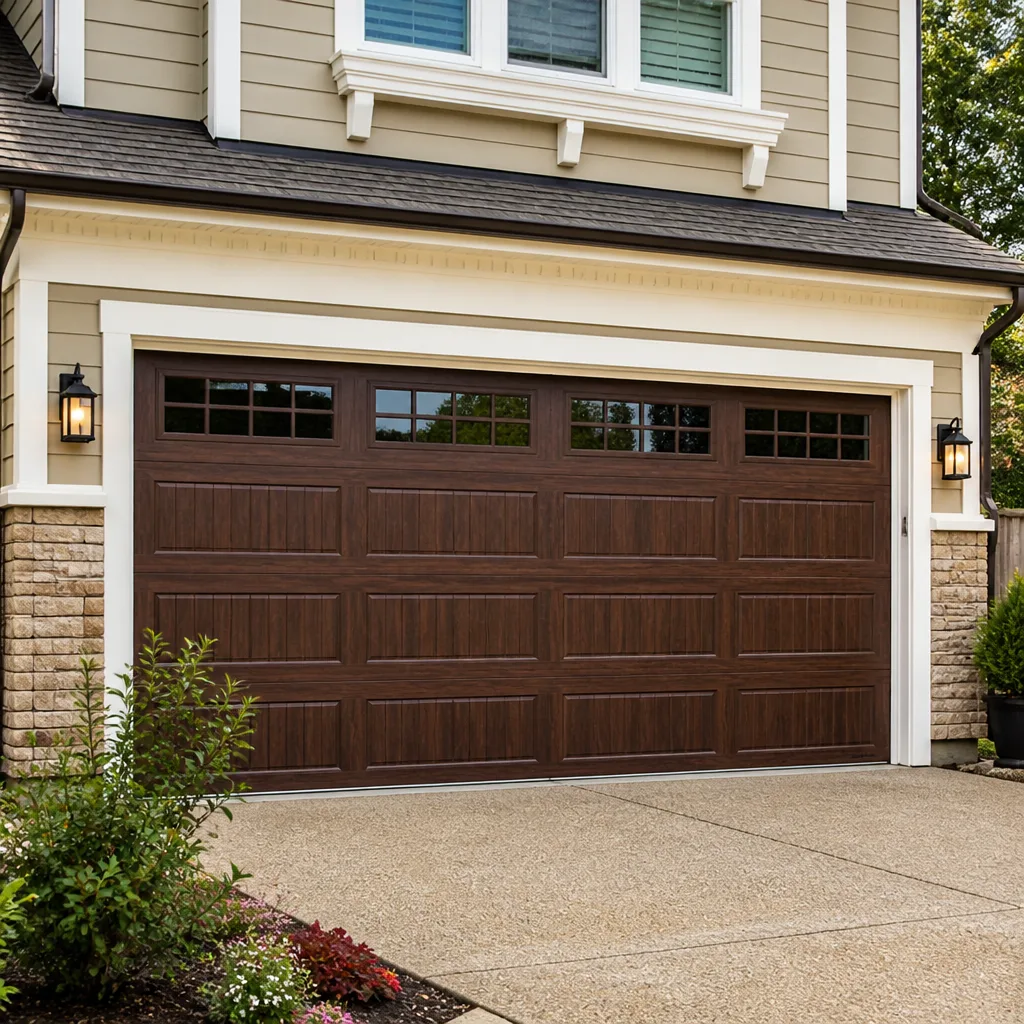 Impact garage doors
 PGT
 CGI
Free in-home measure and quote - PGT, CGI and CWS impact lines compared on your actual openings, style by style
Get your free estimateWindows & Doors Warning Signs: A Henderson Homeowner’s Reference Guide
A fogged window in Henderson isn’t a warning sign. It’s a verdict. By the time the glass goes milky, the seal has already failed, the argon is gone, and you’re shopping for replacement rather than deciding whether to. The warning sign came months earlier, in a sash that dragged a little when you lifted it, or a casement crank that needed extra pressure to close. Most warning sign guides describe the end stage, the point where the window is beyond saving. This guide starts earlier. It’s about the mid-stage signals you can still act on, the ones that let you either extend a window’s life or plan a replacement on your own schedule before a forced one. You’ll learn which signals point to repair, which point to replacement, and how Henderson’s climate and water shape both.
Quick Answer
The most useful early warning signs on Henderson windows and doors are a slight change in how hardware operates (stiff cranks, dragging sashes, binding sliders), condensation that appears only at the glass edge, mineral staining on frames that looks like sun damage but isn’t, and threshold gaps that widen gradually. Edge condensation and stiff hardware are usually treatable and worth monitoring. Permanent interior fog, visible frame separation, and water staining inside the wall cavity mean the unit is past repair and replacement is the only cost-effective path. Catching the early signals is what separates a planned project from an emergency one.
Styles & brands we work with
- Single hung
- Double hung
- Horizontal roller
- Casement
- Bay & bow
- Sliding glass doors
- Entry doors
- Impact garage doors
- PGT
- CGI
Table of Contents
- Seal Failure Signal vs. Full IGU Failure
- How Henderson’s Hard Water Mimics UV Degradation
- Operational Warning Signs by Product Type
- Door-Specific Signals Most Homeowners Miss
- Thermal Cycling and Frame Movement in the Desert
- How to Triage: Repair-and-Monitor vs. Replace Now
- A Step-by-Step Home Inspection You Can Do
- When Replacement Is the Cheaper Decision
Seal Failure Signal vs. Full IGU Failure
An insulated glass unit, or IGU, is the sealed sandwich of two panes with a spacer and gas between them. When people say “the seal failed,” they usually mean the IGU itself. But there’s a wide gap between the seal starting to go and the unit being finished, and knowing which stage you’re in changes your decision entirely.
The early signal is edge condensation. It appears as a thin band of moisture or haze right at the perimeter of the glass, where the pane meets the spacer. It shows up on cold mornings, clears when the sun hits, and may not return for weeks. That pattern means the perimeter seal is beginning to let moisture in but the gas fill is still largely intact. The unit still insulates. It’s not efficient as new, but it’s working.
The late signal is permanent interior fog. When the desiccant in the spacer is saturated, moisture condenses on the inside of the glass and never clears. You’ll see a milky film, water streaks, or a white crust that recedes toward the center from the edges. At this point the gas is gone, the unit has lost most of its insulating value, and there’s no repair for the glass itself. The IGU has to be replaced, which for most residential units means replacing the sash or the whole window depending on the product line.
Here’s the part most guides skip. In Henderson, we see the edge-condensation stage linger for a long time because our air is dry. A failed seal that would fog fast in a humid climate can sit at the edge stage for a year or more here, quietly losing performance without giving you a dramatic visual cue. That’s why the fog test alone is unreliable locally. You have to check the edge.
What each stage implies for repair vs. replace
- Edge condensation, intermittent: Monitor. Note the dates it appears. If it stays at the edge and clears, you have time.
- Edge condensation, constant, no interior fog: Performance is dropping. Start pricing replacement. Not urgent, but not far off.
- Permanent interior fog or visible water between panes: The IGU is finished. Replacement of the unit is the only option. No cleaner, coating, or sealant fixes this.
- Fog plus a soft or cracked frame: Replace the whole window, not just the glass. A bad frame will take out the new unit too.
Our technicians have up to 10 years of experience, and the single most common call we get is a homeowner who waited because the fog “wasn’t that bad yet.” If you’re not sure which stage you’re at, a free estimate will tell you. Call (844) 320-4954 to schedule one.
How Henderson’s Hard Water Mimics UV Degradation
Here’s a signal that trips up a lot of homeowners in Henderson: a chalky, etched-looking white stain on the window frame or glass, usually on the side of the house that gets sprinkler overspray or faces the morning sun after irrigation. It looks like the frame has been eaten by UV, like the finish is breaking down from years of sun. It usually isn’t.
Henderson’s municipal water runs hard, high in dissolved calcium and magnesium. When sprinklers hit a window and the water evaporates, those minerals stay behind as a deposit. Over time it builds into a film that bonds to the surface. On glass it reads as etching. On vinyl or aluminum frames it reads as chalking or fade. Both look like a material failure, and both have the same underlying cause: water chemistry, not sun damage.
That distinction matters because the repair paths are completely different. UV degradation of a vinyl frame is permanent. The material has actually changed. Hard water deposits, by contrast, sit on top of the surface and can be removed. On glass, a mineral remover or a professional cleaning will usually lift them. On frames, a mild acidic cleaner (tested on a hidden spot first) can dissolve the deposit without harming the finish. Do not attack the frame with abrasives. You’ll scratch the surface and create the very degradation you thought you had.
How to tell the two apart
- Look at the pattern. Hard water staining follows the spray arc of your irrigation or the splash line from a hose. UV damage is even across the sun-facing surface.
- Check the texture. Run a fingernail across the mark. Hard water deposits feel slightly raised or chalky. UV-degraded vinyl feels chalky too, but it wipes off onto your finger and leaves a dull spot underneath. A mineral deposit wipes off and the finish beneath is intact.
- Test a corner. Clean a small hidden section with a mineral remover. If the mark comes away cleanly, it’s deposits. If the finish stays dull, it’s material breakdown.
- Look at the glass edge. Mineral staining on glass usually sits on the outer surface and cleans off. If it’s between the panes, that’s not hard water. That’s seal failure, covered above.
The lesson for Henderson homeowners: don’t replace a window because of a stain you haven’t identified. Get it looked at first. If the mark is mineral and the frame is sound, cleaning is the whole job. If the frame is genuinely degraded, that’s a different conversation, and it’s a conversation worth having before the frame stops holding the glass securely. Our Window Replacement Henderson page covers what that conversation looks like.
Operational Warning Signs by Product Type
Your hands know a window is failing before your eyes do, if you pay attention to how it operates. But the failure mechanisms differ by product type, and treating them the same is how homeowners end up replacing the wrong thing. Here’s how to read the early signals by what kind of window you have.
Casement and awning windows
These crank open on a hinge, and the early warning sign is resistance in the crank. It should turn smoothly with modest hand pressure. If it binds, grinds, or needs two hands, something is changing. The usual culprits are a dry or corroded operator mechanism, a hinge that’s drifted out of alignment, or a frame that’s shifted and is now binding the sash. Casements are more sensitive to frame movement than any other type because the whole sash swings on a single hinge point. A stiff crank caught early is often a lubrication and adjustment job. Left long enough, the operator strips and the sash can hang off its hinge. That’s a replacement.
Sliding windows and doors
Sliders ride on rollers in a track, and the early signal is a binding track. You’ll feel it as a sash that needs a shove to start moving, or a door that catches halfway and needs lifted to slide. This is a different mechanism than the casement. Slider binding is usually debris in the track, worn or flat-spotted rollers, or, in Henderson specifically, sand and grit that the wind pushes into the track opening. Track cleaning and roller replacement solve most of these. The signal that pushes toward replacement is a track that’s physically bent or a frame that’s no longer plumb. A plumb frame lets the door ride true. A plumb frame gets you decades.
Double-hung and single-hung
With these, the tell is in the balance system: the springs or weight and pulley that hold the sash in place when you open it. An early sign is a sash that won’t stay up on its own, or one that slides shut on your fingers. A sash that slams is a failing balance. Balance repair is possible on many units, but the availability of parts depends heavily on the manufacturer. This is one place where a narrower product line becomes a disadvantage, since a single-brand installer can only offer you what that brand makes. A multi-brand specialist can match the repair or the replacement to what the window actually is.
What the difference tells you
Casement resistance means the operator or hinge is going. Slider binding means the track or rollers. Neither is a glass problem, and neither means you automatically need new glass. The window replacement conversation should only start when the frame or the glass has actually failed. Get the mechanism diagnosed before you let anyone sell you a full unit.
Door-Specific Signals Most Homeowners Miss
Doors fail in slow motion, and the signals get misattributed constantly. The one we hear most: “The door just doesn’t close right, but that’s normal for a house settling.” Sometimes. Often it’s not settling at all. It’s frame separation, and it’s been happening gradually through thermal cycling.
Henderson’s temperature swings between day and night are large, and the exterior door frame is on the front line of that swing. In the heat of the day the door and frame expand. Overnight they contract. Over hundreds of cycles a year, small gaps open at the threshold and around the frame, and the door’s strike plate and weatherstripping lose their alignment. The homeowner notices the door is harder to latch, then harder to close, then dragging at the bottom. Each step feels like settling. Each step is more likely the frame moving against the opening.
The door signals worth acting on
- A threshold gap that appears gradually. Hold a flashlight on the inside of the closed door at night and look for light at the threshold. A gap that lets light in also lets hot air, dust, and insects in. It’s also a sign the frame has moved.
- A door that needs a shove or a lift to close. If it worked smoothly a year ago, the pressure isn’t the door. It’s the opening.
- A strike plate that no longer lines up. If the deadbolt won’t throw without lifting or pushing, the frame has shifted.
- Weatherstripping that’s flattened or cracked. This fails faster in our dry heat than in cooler climates. It’s a cheap fix, but a gap it leaves is the same as any other gap.
- Water staining at the door bottom or threshold. This is the one that means act now. Water getting in at the threshold can rot the framing, and a door replacement becomes a door plus framing repair.
- Sticking that changes with the weather. If the door sticks in the afternoon and swings free at night, you have thermal movement, not a warped door. That’s a frame and seal issue.
Entry and patio doors are where we see homeowners wait longest, partly because a door still “works” even when it’s failing. The right door for the opening, from a brand like Therma-Tru, installed by specialists who understand the product, solves the thermal movement problem at the source. The right time to look at it is before the threshold starts letting water in. If your door is at that stage, a free estimate will tell you whether it’s a weatherstripping job or a door job. Call (844) 320-4954.
Thermal Cycling and Frame Movement in the Desert
Everything in this guide comes back to one local fact: Henderson homes have windows and doors that move. Daytime heat expands the frame and glass. Overnight cooling contracts them. These are small movements, measured in fractions of an inch, but they happen every single day of the year, and over time they wear the seals, bearings, weatherstripping, and hardware that keep your openings tight.
The early warning signs of thermal cycling are subtle and easy to dismiss:
- A sash or door that fits well in the morning and sticks in the afternoon.
- A crack that appears in the caulk line at one corner of a frame and widens through the summer.
- A door whose latch catches at the top in the heat and swings free at night.
- A casement that’s smooth in cool weather and stiff in the afternoon sun.
- A hairline gap at a mitered frame corner that’s tight some days and visible others.
None of these mean the window is failing. They mean the window is responding to its environment. The question is whether the design and installation are handling that movement. A window installed with the right clearances and the right sealant approach moves without leaking. A window installed tight and rigid will crack its seals as the frame pushes against the wall opening. That’s why installation quality matters as much as the product itself. Our window installation page explains what that looks like in practice.
When thermal movement crosses into failure
The movement itself isn’t the failure. The failure is when the movement opens a path for air, moisture, or pests. In our experience, the signal is usually the point where the caulk and weatherstripping stop responding to the seasons because they’ve been flexed to their limit. At that point, the fix isn’t always a new window. Re-sealing and re-caulking, with the right sealant for our climate, extends the life of a good window considerably. Replacing a window only because it’s showing thermal movement is usually the wrong move. Replacing it because the movement has broken a seal or opened a gap in the frame is the right one.
If you’re in Henderson and you’re not sure which category your window falls into, that’s exactly the question a free estimate is for. It costs nothing to have someone tell you what’s happening.
How to Triage: Repair-and-Monitor vs. Replace Now
This is the heart of the guide. Once you’ve identified a warning sign, you need to sort it into one of two groups: the repair-and-monitor group, where the unit is intact and the fix is small, and the replace-now group, where the unit is failing and money spent on repair is money thrown away. Here’s how to sort.
Repair-and-monitor signals
- Edge condensation that appears and clears.
- Hardware stiffness with a sound frame and intact glass.
- Slider binding from debris or worn rollers.
- Mineral staining on glass or frames with intact finish underneath.
- Weatherstripping that’s cracked or flat but a frame that’s sound.
- Thermal movement without any visible gap or water intrusion.
These are all signs that something is wearing but nothing has failed. Acting on them now, with cleaning, adjustment, lubrication, sealing, or hardware replacement, buys the unit more years and lets you plan a replacement on your schedule.
Replace-now signals
- Permanent fog or water visible between the panes.
- Visible frame separation, gaps at corners, or a soft or spongy frame.
- Water staining on interior trim or wall below the window.
- A door threshold that’s letting water in.
- Glass that’s cracked or a frame that no longer holds the glass securely.
- A unit that will no longer close or lock at all.
These are signs that the unit is doing damage, not just degrading. The window can’t be repaired into being weathertight again, and every month you wait adds cost and risk. This is where replacement stops being a choice and becomes the cheaper path.
A quick decision test
- Is the glass intact between the panes? If there’s fog or water inside, you’re in the replace-now group.
- Is the frame sound? If it’s soft, separated, or visibly warped, you’re in the replace-now group.
- Is water getting past the unit? Any stain on the interior side is a replace-now signal.
- Is the hardware smooth or merely stiff? Stiff can be treated. Broken or seized usually means the unit is old enough to warrant a replacement conversation.
- If you’re unsure on any of these, get a free estimate rather than guessing. A misjudged repair on a failing window costs more than the estimate would have.
We’ve watched homeowners in Henderson get this triage wrong in both directions, replacing sound units over mineral stains and nursing failing ones along for years. The cost of getting it wrong runs both ways. Call (844) 320-4954 for a straight answer on your specific windows.
A Step-by-Step Home Inspection You Can Do
You don’t need tools to do a careful pass over your windows and doors. You need ten minutes and a walk around the house. Here’s the order we’d suggest for a Henderson home, which front-loads the checks most likely to catch early signals here.
- Start with glass and the edges. Look at each window from the inside on a cool morning. Look specifically at the perimeter of the glass, where it meets the frame. Any thin haze or moisture right at the edge, even if it clears later, is your surface to watch. Note any window where the fog sits in the middle of the pane. That’s the replace-now group.
- Operate every window. Open, close, latch, and lock each one. Note resistance, dragged sashes, cranks that need two hands, and sashes that won’t stay up. Do this midday when frames are fully expanded, since that’s when thermal problems show up.
- Walk every door. Close each door and look for light at the threshold with a flashlight held on the inside. Open and close each door fully. Note any that need a shove, lift, or extra push to latch. Check the strike plate alignment with a look at the deadbolt throw.
- Check the seals. Run a hand around each closed window and door for drafts. Look at weatherstripping on doors for cracks, flat spots, and gaps. Look at caulk lines on the exterior for cracks at corners and where the frame meets the wall.
- Look for the hard water signature. On the sides of the house with irrigation, check for chalky white staining on frames and glass. Wipe a small spot with a damp cloth. If it lifts, it’s mineral. If it doesn’t, note the location and have it looked at.
- Check for staining inside. Look at the interior trim and the wall below each window and door. Any discoloration, bubbling paint, or soft spot means water has been getting through. That’s the top of the triage list for a free estimate.
- Note it all down. Write down which window or door shows which signal, and the date. Patterns are easier to see over a couple of months, and a record helps any estimator give you a better answer.
Repeat the pass in different seasons if you’re patient, since thermal signals only show up under certain conditions. A summer afternoon and a winter morning will tell you very different things about the same window in Henderson.
When Replacement Is the Cheaper Decision
Replacement is not always the expensive choice. The trick is doing the math honestly, which means comparing the cost of a replacement against the cost of not replacing: a repaired window you’ll be repairing again next year, an energy bill that’s quietly higher all summer, and the risk of water damage that turns a window project into a framing project.
The clearest cases for replacement being the cheaper path:
- Repeated repairs on the same unit. If a window needs its balance or operator replaced twice within a few years, the unit is beyond the point where repair makes economic sense.
- A failed IGU on an older window. On many units, the glass replacement costs a large fraction of the new window, and you’re still relying on a frame that’s the same age.
- A frame that’s failing at multiple points. If two or more corners on the same window have visible separation, the frame is not coming back.
- A door with a rotted threshold. Once water has gotten into the framing, the door replacement is the smaller part of the job. Waiting makes it bigger.
- A house full of 25+ year old units. If several windows are showing the same early signals at once, planning a replacement project makes more sense than repairing them one at a time.
There’s another layer that matters in Henderson specifically: energy. A failed IGU isn’t just visual. It’s lost its insulating gas, and in a city that runs its air conditioning for most of the year, that shows up on the bill. Energy performance options available across ES Windows, ECO Window Systems, and other lines in our range let you push efficiency higher at a range of price points, and the right product for your home is not the same as the one an installer happens to stock. That’s the whole reason we carry eight brands: so you can compare performance, style, and price side by side and pick the one that fits your house, not the one closest to the installer’s van.
Replacement also lets you address both windows and doors under one plan, since they share the same thermal and weather exposure. Handling the openings together means one installation schedule, one set of product decisions, and one contractor accountable for how the whole exterior envelope performs. Our team works across both, from PGT and CGI impact-rated windows to Therma-Tru entry and patio doors. For a wider look at the Henderson market and what’s involved, our Henderson page has the local context.
Common Mistakes to Avoid
- Treating a mineral stain as UV damage. Homeowners in Henderson replace sound frames because a white chalky film looks like sun breakdown. It’s usually hard water deposits. Test a corner with a damp cloth before you assume the worst.
- Waiting for visible fog. Fog is the end stage. The edge condensation pattern is the early signal, and it’s often the only one our dry climate gives you. Waiting for the dramatic sign means you’ve waited past the point where you could plan.
- Attributing a door that won’t close to “settling.” Most of the time in a Henderson home, a door that’s getting harder to close has a frame moving under thermal cycling, not a house settling. Treating it as settling means it goes unaddressed until the threshold leaks.
- Replacing a window over a stiff crank. A stiff casement operator is often a lubrication or adjustment job. Replacing a window because of a symptom that a small repair would fix is the most common way homeowners overspend.
- Fixing hardware on a failed unit. The reverse mistake is just as costly: repairing the operator or rollers on a unit whose glass or frame has already failed. You end up paying twice.
- Skipping the interior check. A window can look perfect from outside and be letting water into the wall behind the interior trim. Check inside the house before you decide a window is fine.
- Letting one brand decide for you. A single-brand installer will always find that their brand is the right answer. Compare products from more than one manufacturer before you commit, especially on a whole-house project.
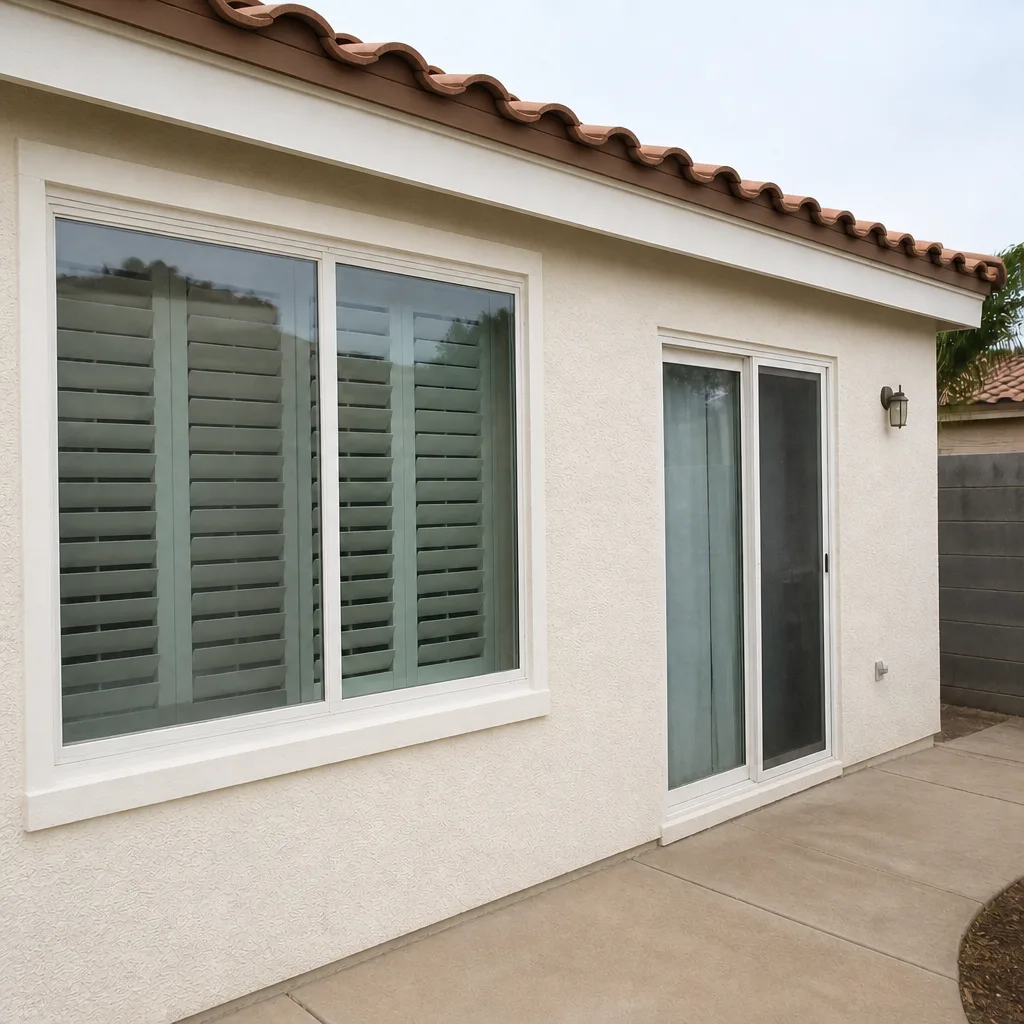
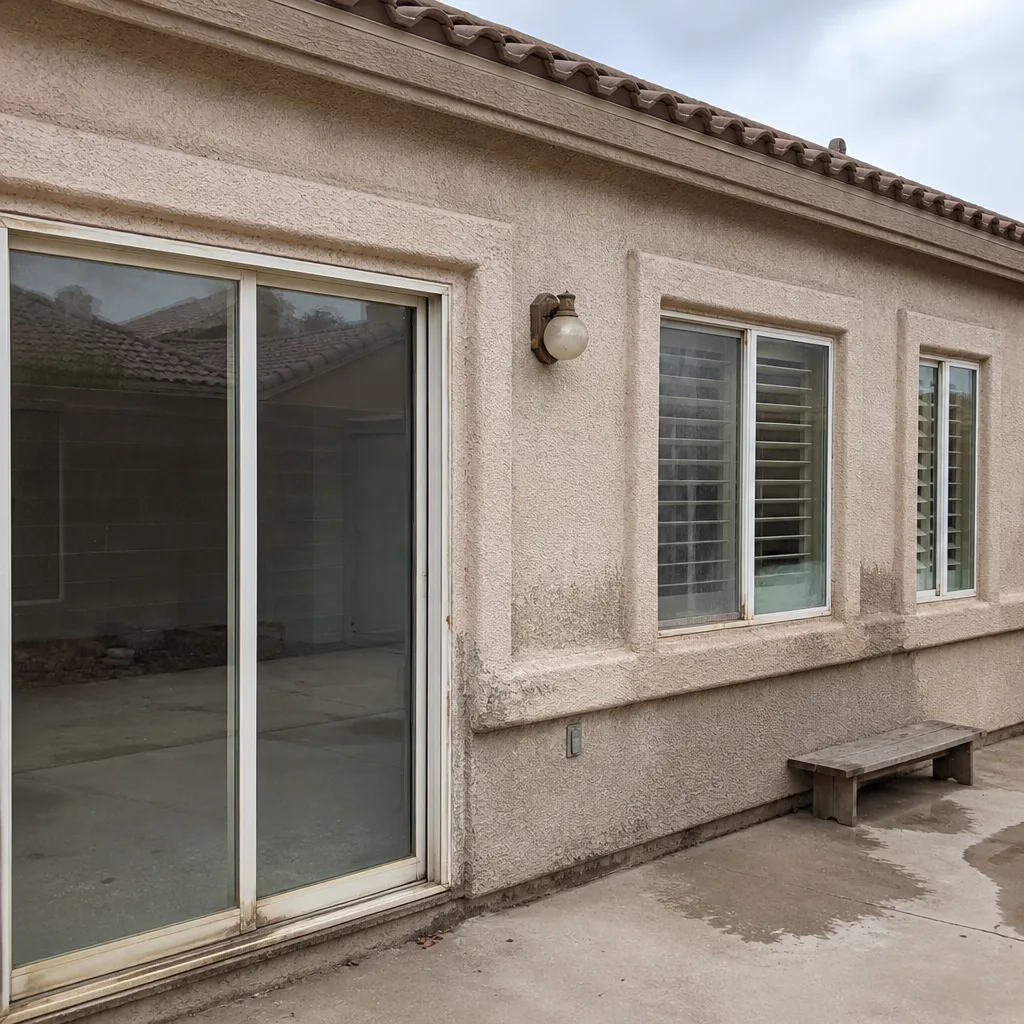
See the difference
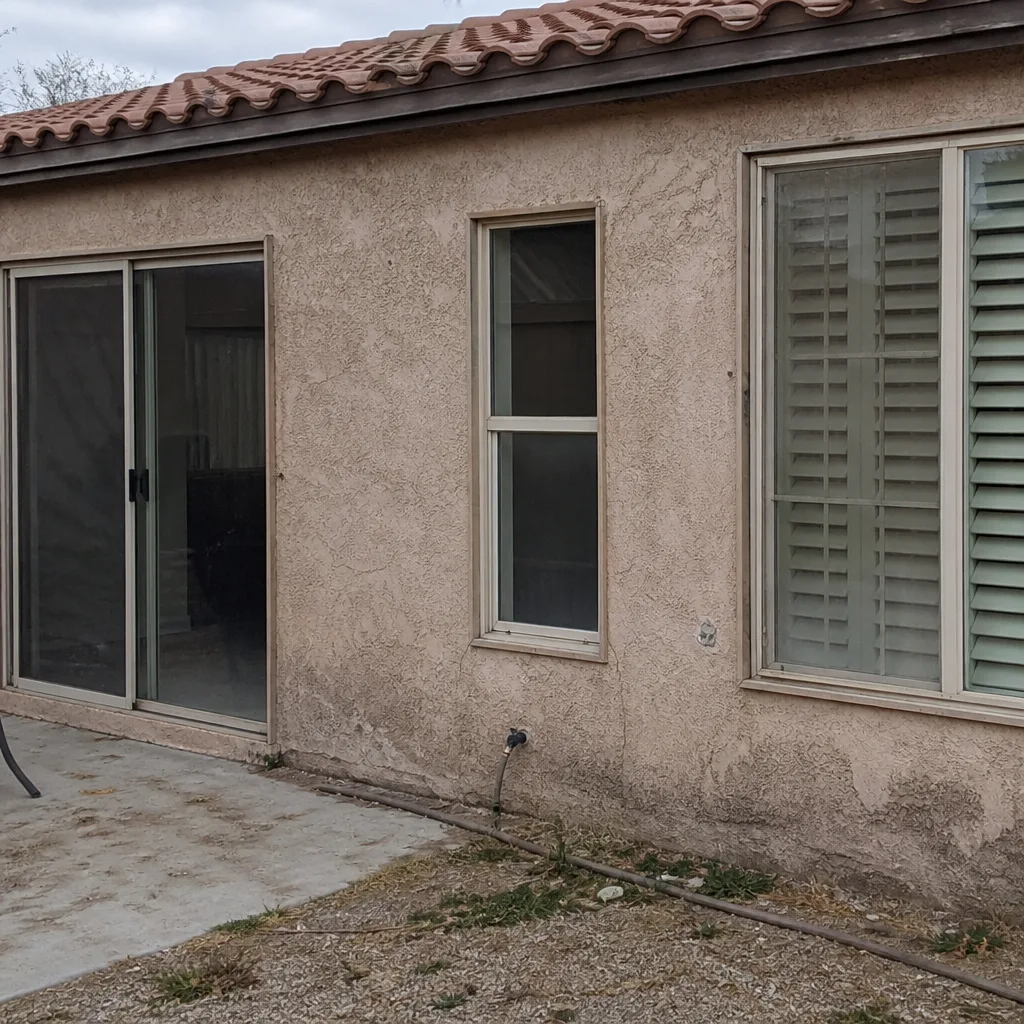 Before
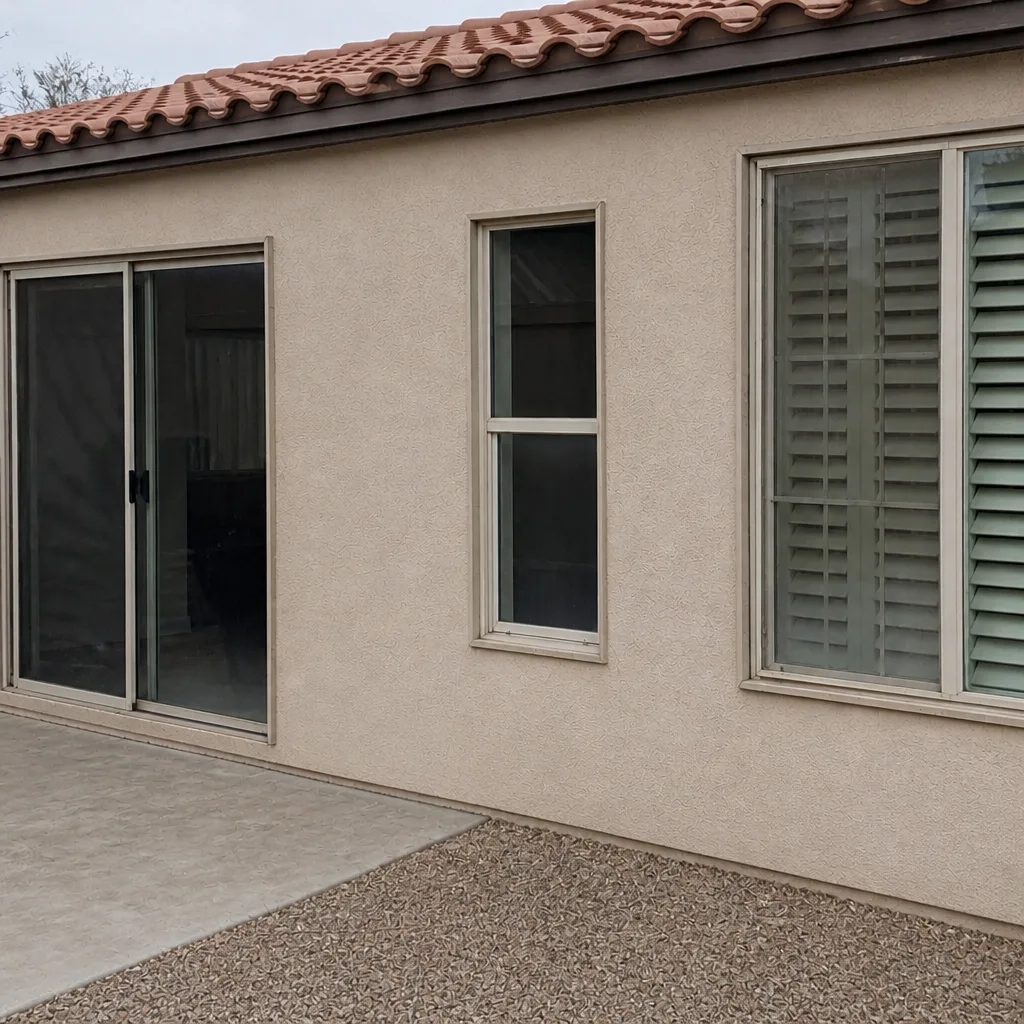 After
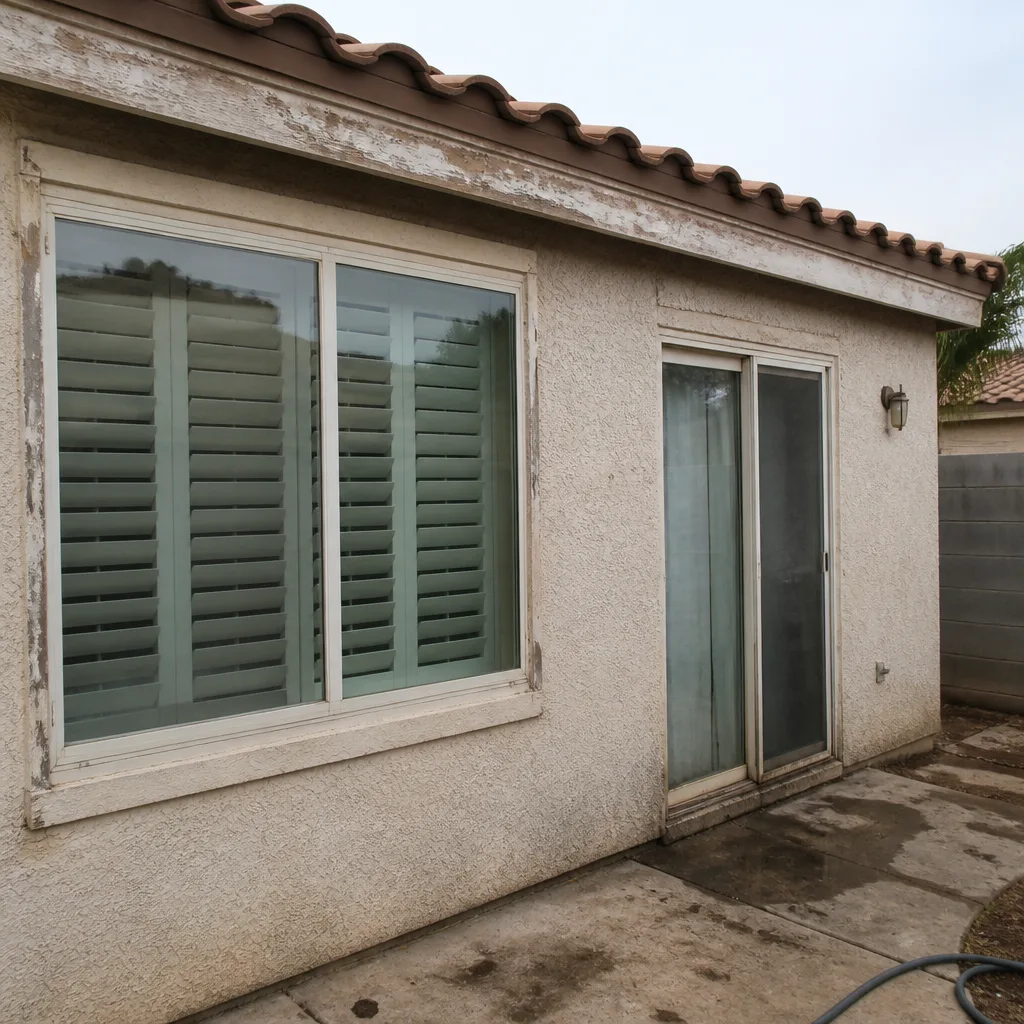 Before
 After
 Before
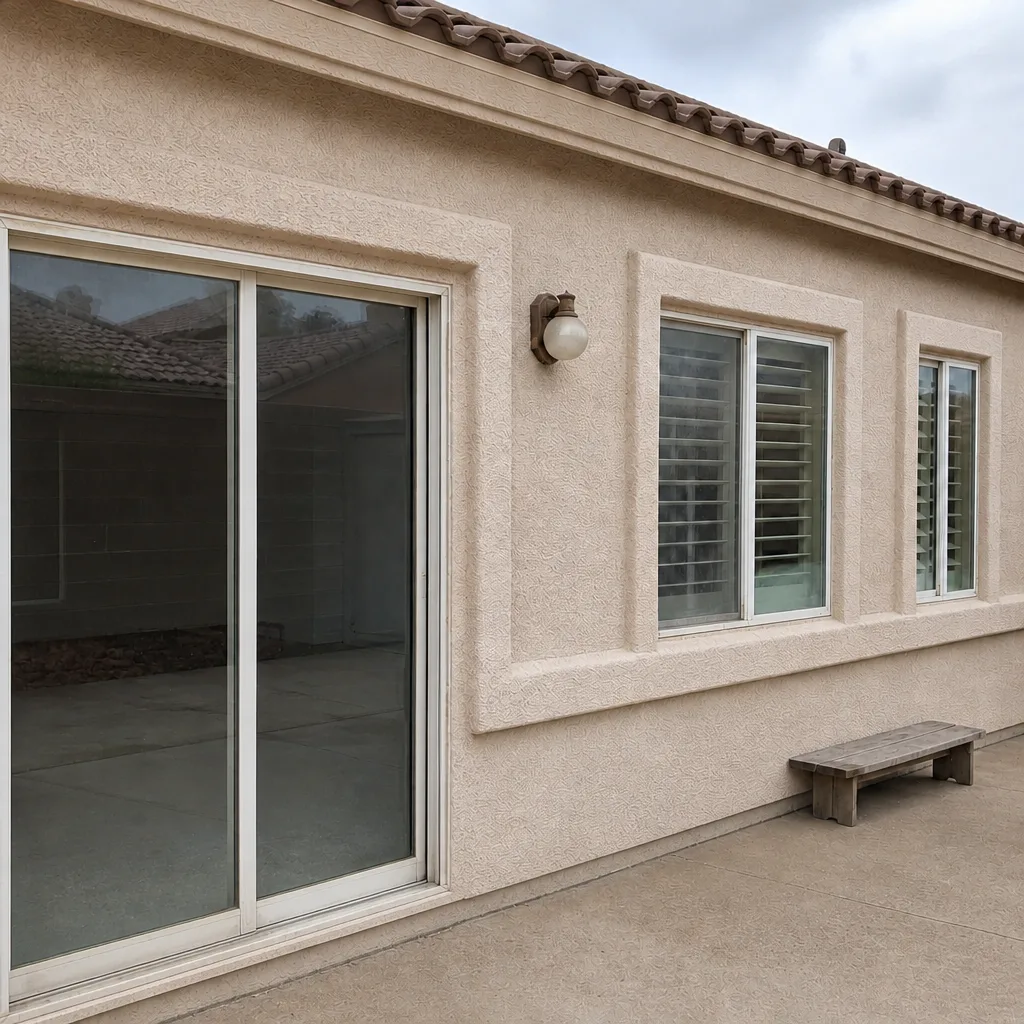 After
When to Call a Professional
Call a professional when you’ve identified a signal and you can’t confidently sort it into the repair-and-monitor group or the replace-now group, or when it’s clearly in the second group. Specifically: any window with permanent fog or water between the panes; any frame with visible separation or that feels soft; any window or door letting water in at the interior; any door whose threshold gap has opened; any glass that’s cracked; and any window that won’t latch or lock securely. A stiff crank or a hard-sliding sash is worth a look too, but it’s the lower priority, because a careful estimate tells you whether it’s a small fix or a sign of more. Window Replacement Henderson offers free estimates in Henderson. Call (844) 320-4954. We answer 24/7. Fast dispatch from 7am to 7pm, Sunday through Friday.
Frequently Asked Questions
The early sign is a thin haze or moisture band at the glass edge that appears on cool mornings and clears. The confirmed sign is permanent fog or water between the panes that never clears. If the fog is permanent, the insulated unit has failed and replacement is the only fix. If it’s only at the edge and intermittent, monitor it and start pricing. Call (844) 320-4954 for a free estimate.
If the fog is between the panes and permanent, yes, the glass has to be replaced. If the fog is on the surface, or only at the edge and intermittent, no. A fogged interior pane can sometimes be a cleaning or humidity issue, and edge condensation can sit for months before it becomes permanent. It’s worth identifying which one you have before you buy anything.
Thermal cycling. Doors and frames expand in the heat of the day and contract overnight, and the repeated movement shifts the frame against the opening. A door that sticks in the afternoon and frees up at night is showing thermal movement, not settling. The fix is usually alignment and weatherstripping, but if there’s water at the threshold it may be a door replacement. Call (844) 320-4954 for an estimate.
Hard water staining sits on top of the surface and can be cleaned off. UV damage changes the material itself and can’t be reversed. The test is a small hidden corner: if a mineral remover lifts the mark and leaves the finish intact, it’s deposits from Henderson’s hard water, not UV. If the finish stays dull underneath, it’s genuine material breakdown.
Repair is the right call when the frame and glass are intact and the problem is hardware, track, weatherstripping, or mineral staining. Replacement is the right call when the glass has fogged between the panes, the frame has separated or gone soft, or water is getting past the unit. Anything in the second list gets worse with time. Call (844) 320-4954 for a free estimate and a straight answer on which group your unit is in.
They cause them to move more, which wears the seals, hardware, and weatherstripping faster than in a stable climate. The large day-to-night temperature swing is the driver, and the dry air can also hide an early seal failure for longer because there’s less condensation. That’s why an edge check is more reliable here than waiting for fog. Call (844) 320-4954 to have your windows looked at.
The Bottom Line
The most useful warning signs on Henderson windows and doors are the ones that show up before the window is beyond saving: edge condensation, stiff hardware, binding tracks, mineral staining that looks like UV, and doors that stick as the frame moves with the heat. Learn to sort those into the repair-and-monitor group and the replace-now group, and you’ll get years more out of the units that have years left, and replace the ones that don’t while it’s still a planned project. A free estimate is the cheapest way to know which is which. Call (844) 320-4954. We answer 24/7. Fast dispatch from 7am to 7pm, Sunday through Friday.
Written by the team at Window Replacement Henderson.