Last updated November 18, 2026
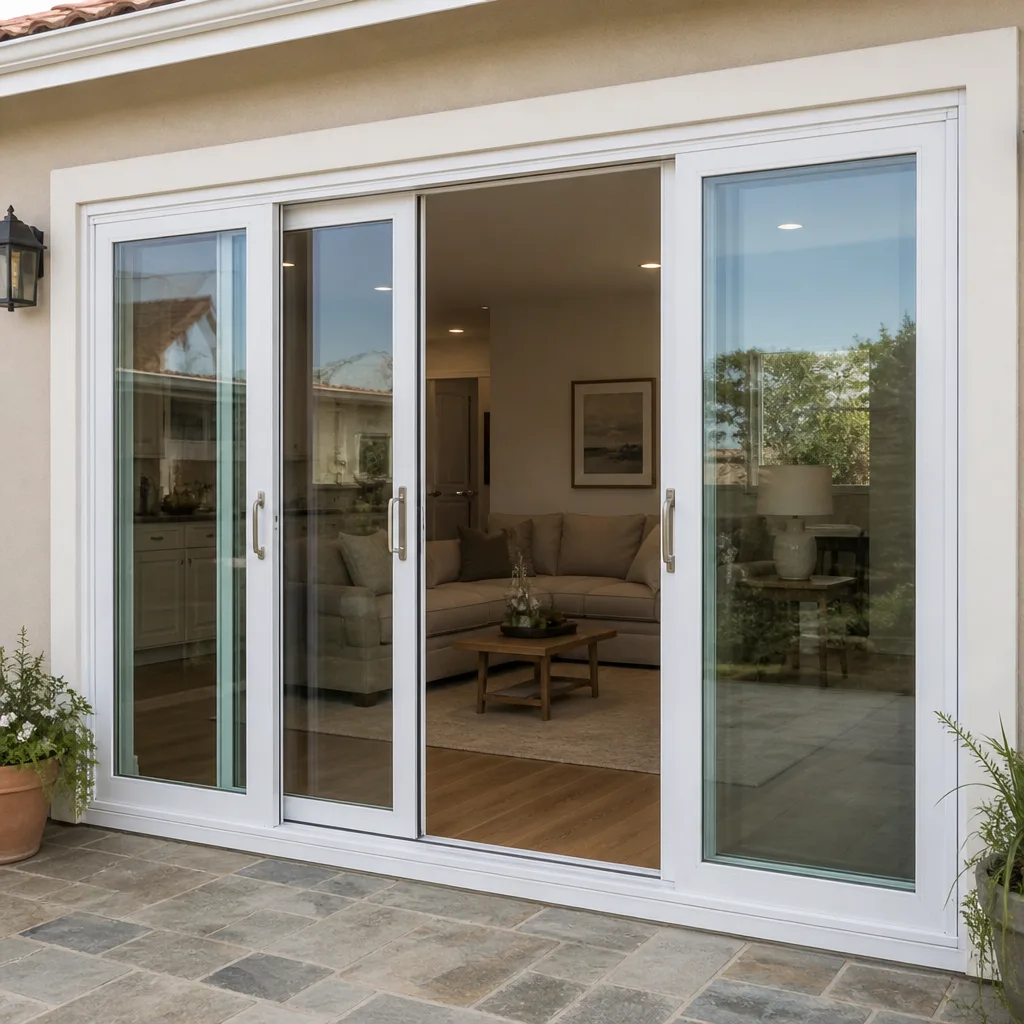 Sliding glass doors
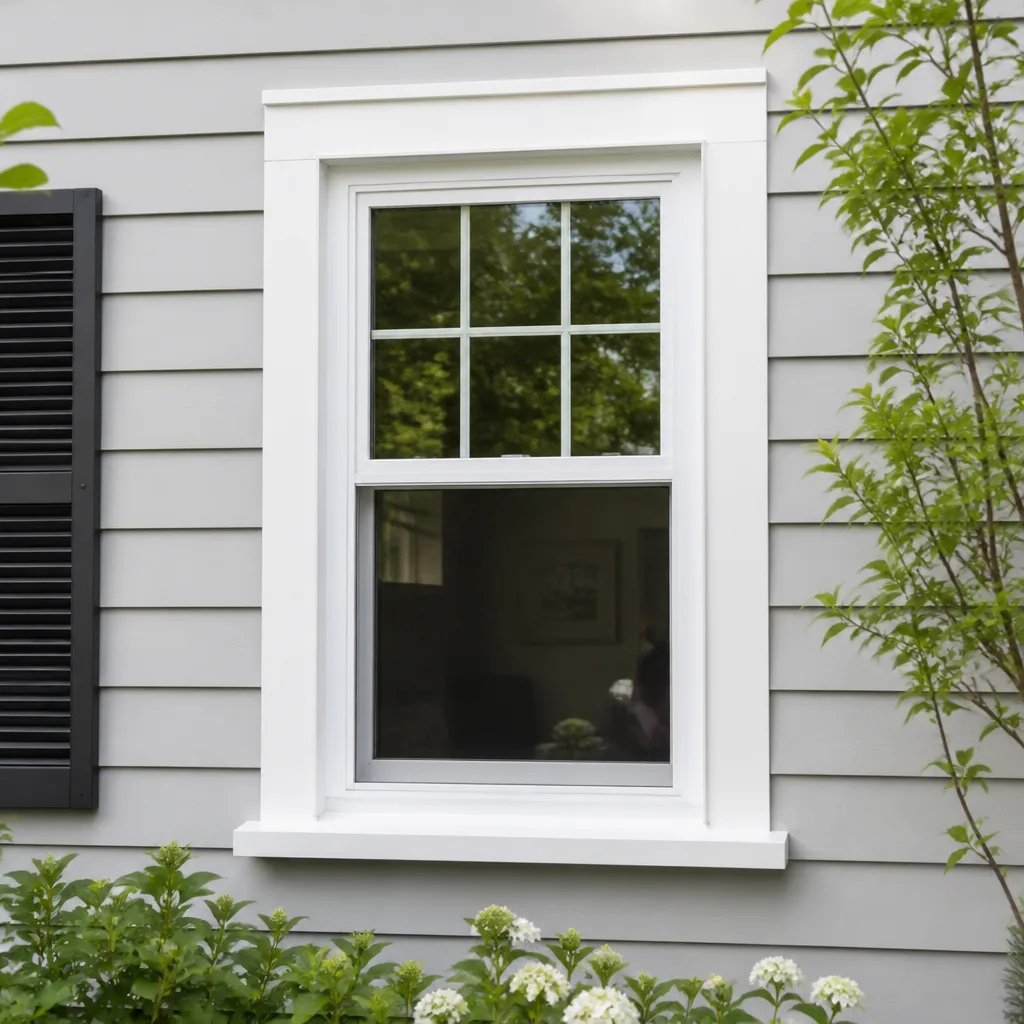 Single hung
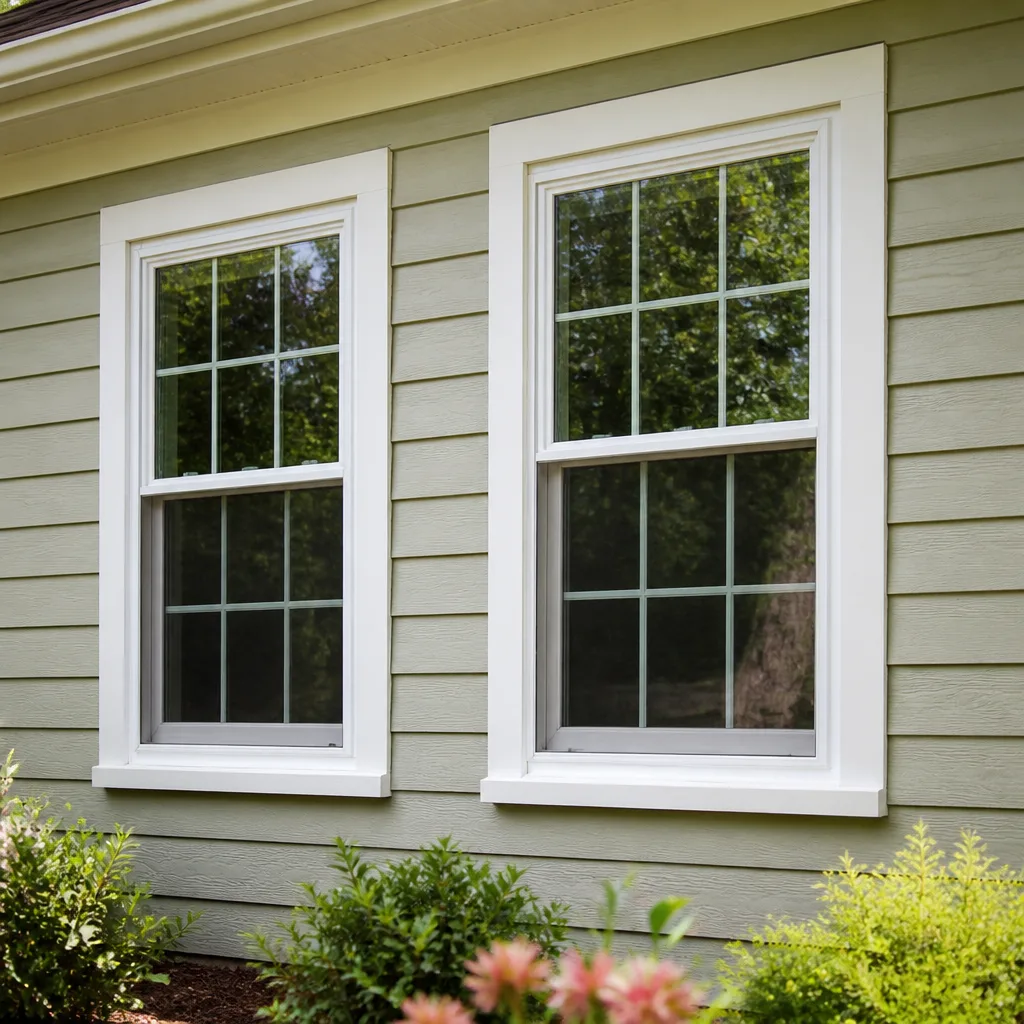 Double hung
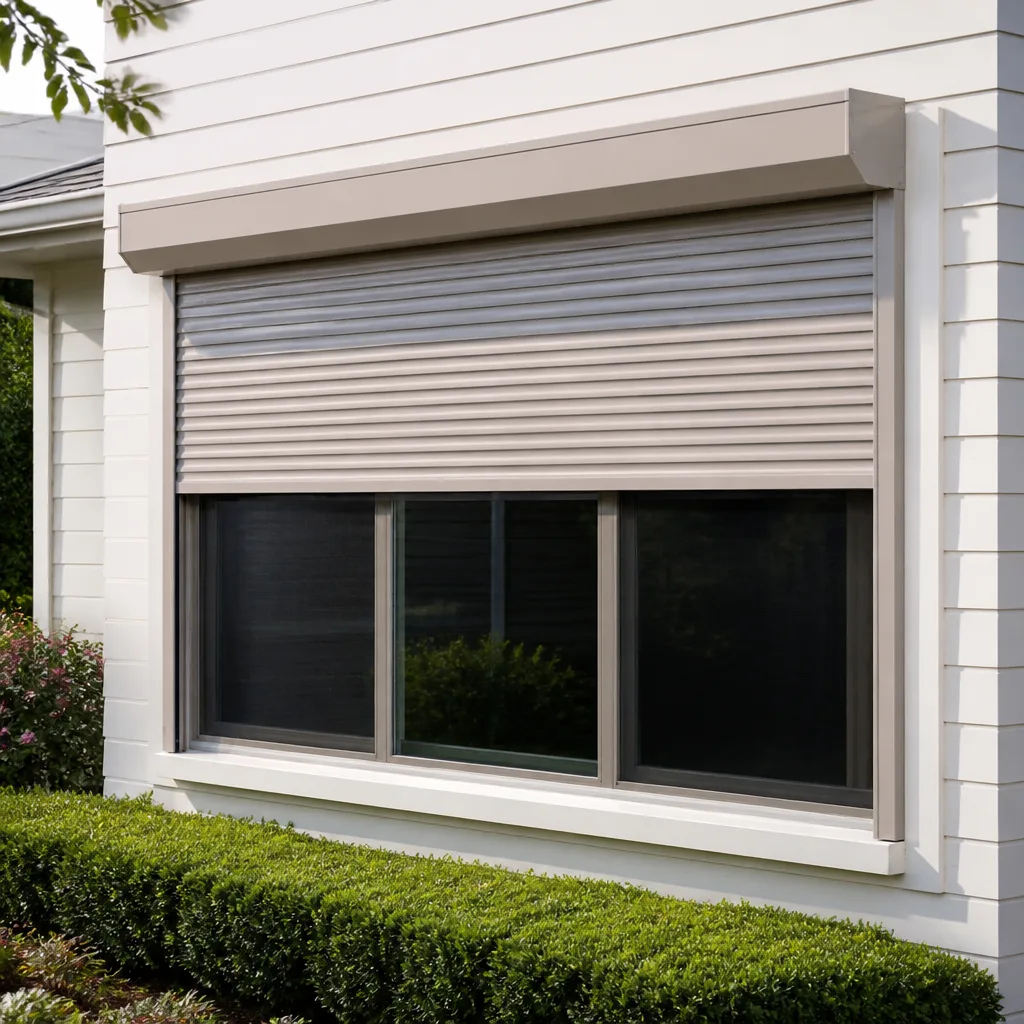 Horizontal roller
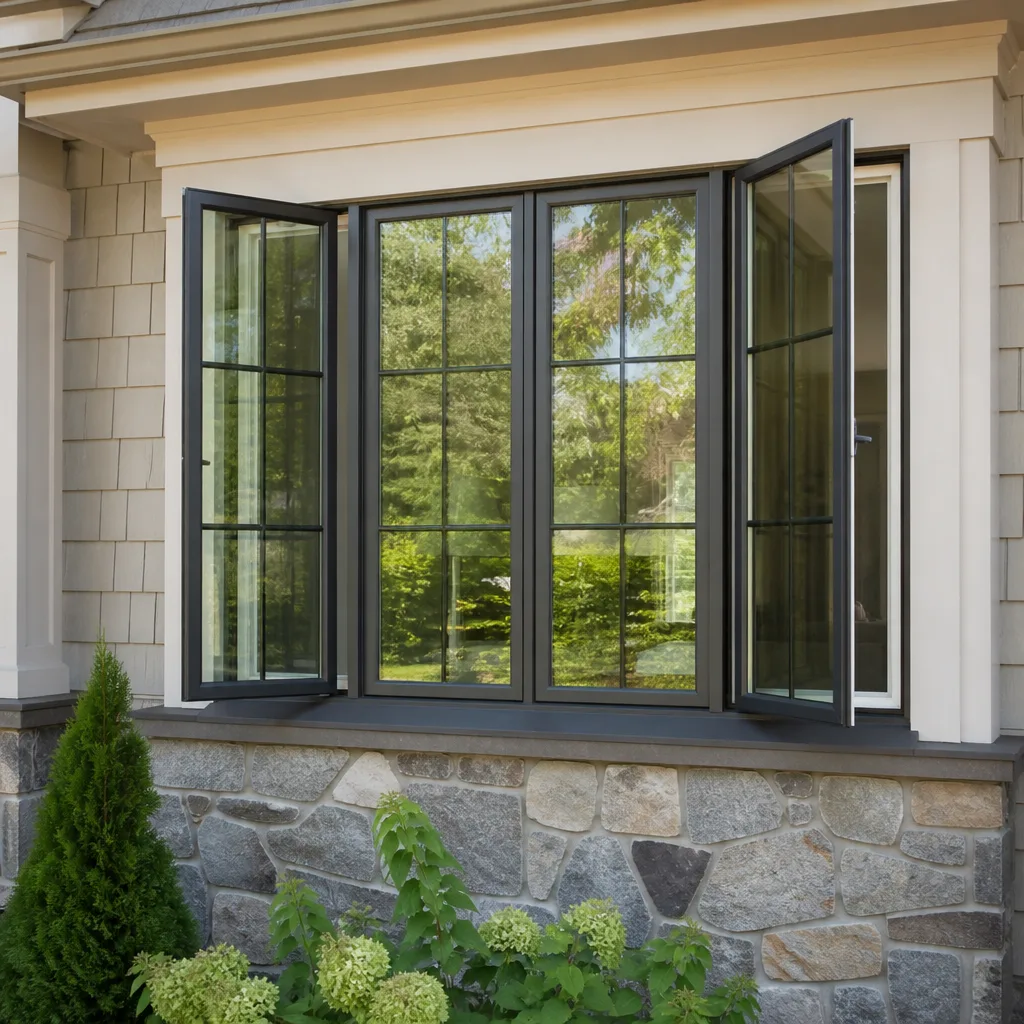 Casement
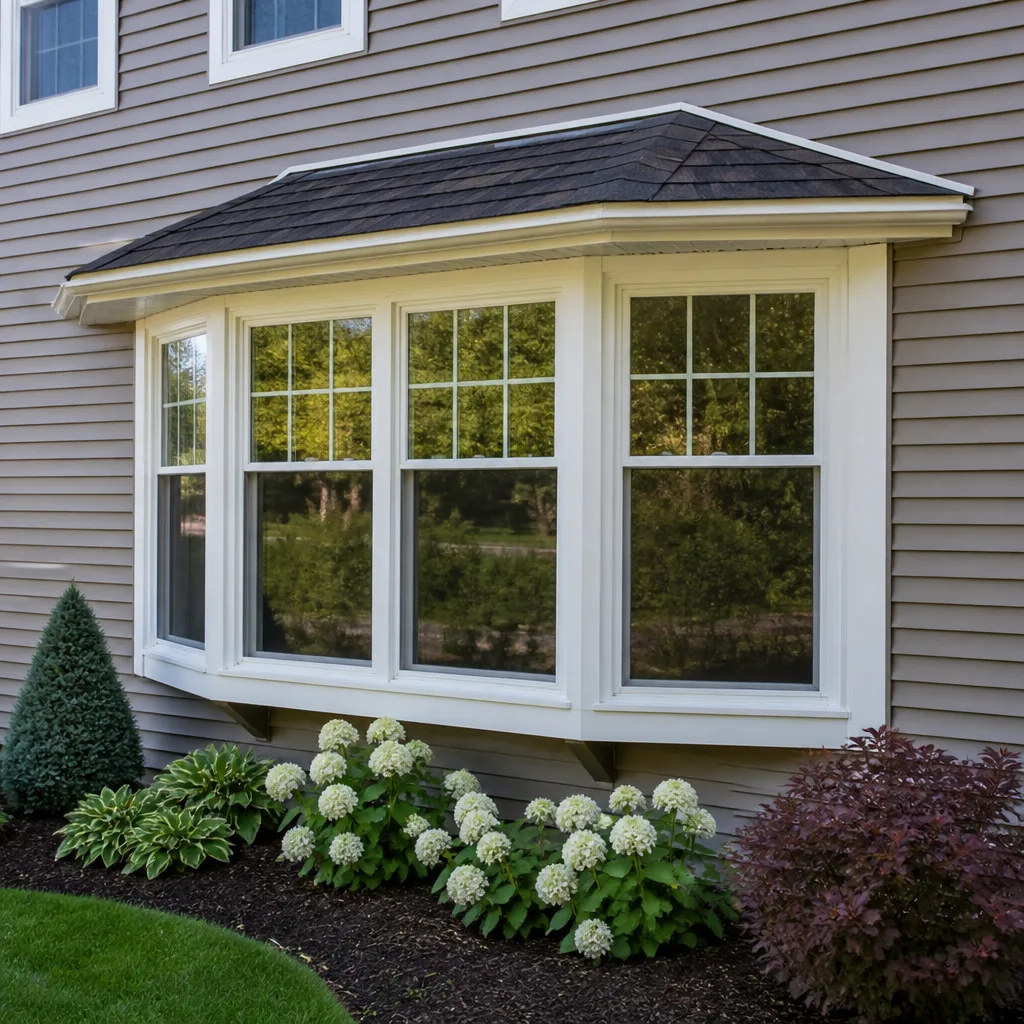 Bay & bow
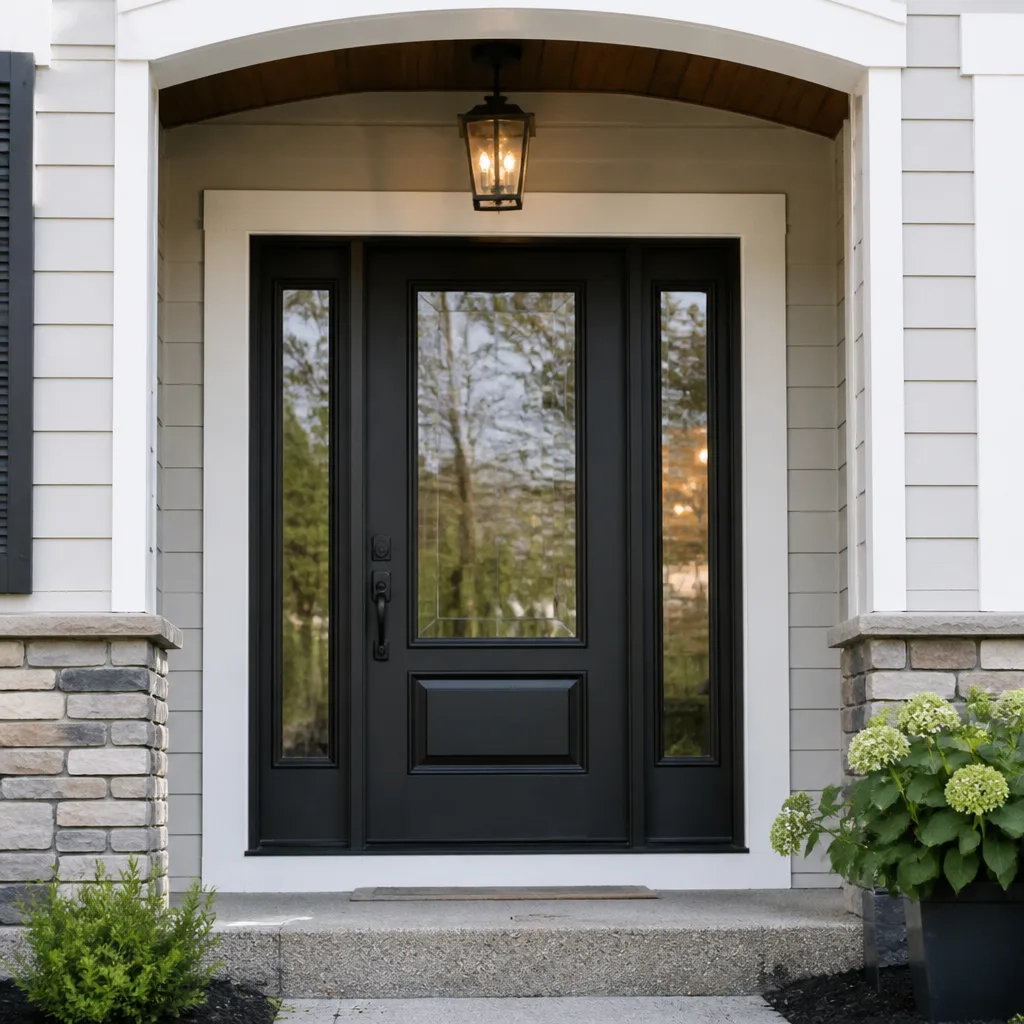 Entry doors
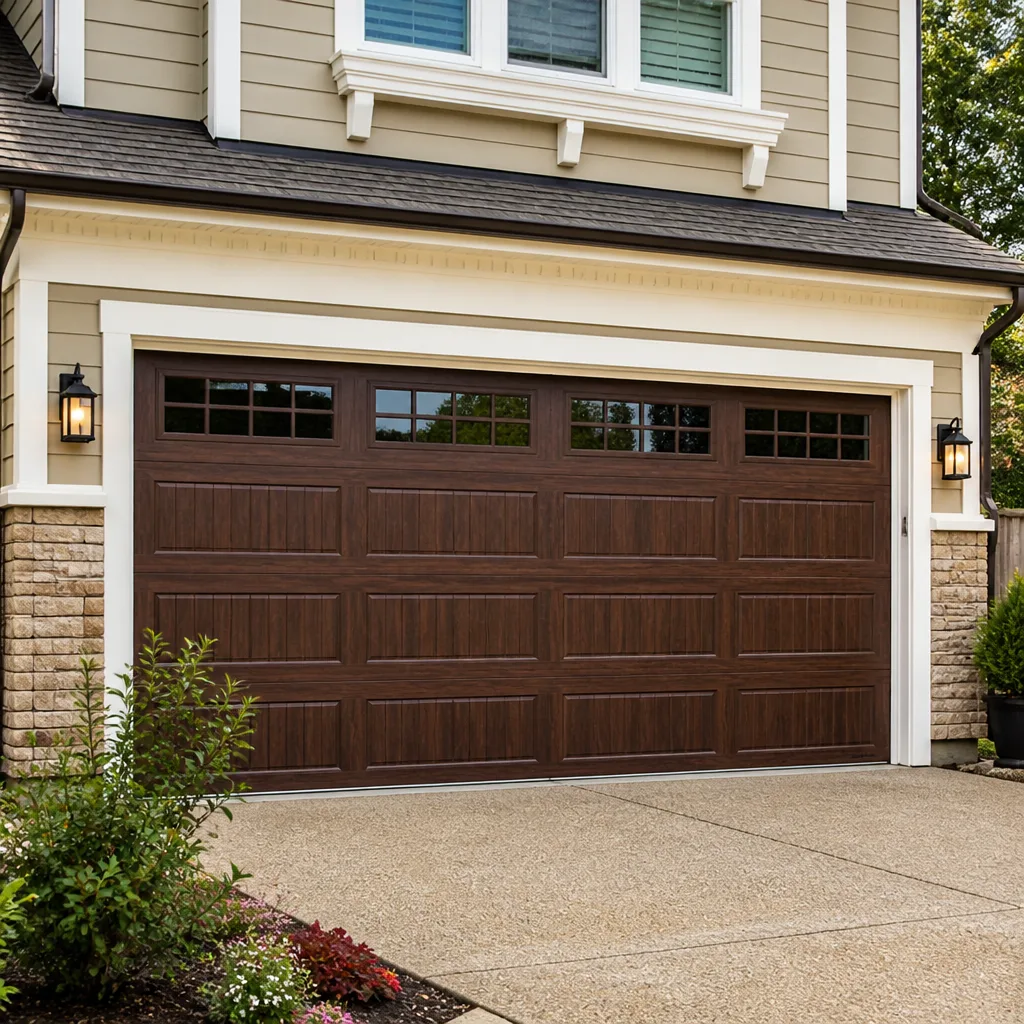 Impact garage doors
 PGT
 CGI
Free in-home measure and quote - PGT, CGI and CWS impact lines compared on your actual openings, style by style
Get your free estimateDIY vs Professional Windows & Doors: The Henderson Homeowner’s Decision Guide
Here’s the uncomfortable truth about the DIY-versus-pro question for windows and doors: it isn’t really about how handy you are. It’s about what happens when the work fails. In our climate, a poorly sealed window is more than an annoyance. During monsoon season, a single installation error in how a unit is flashed or sealed can turn a wind-driven rain event into water inside your walls, and that’s the kind of damage that raises hard questions with your insurer. This guide breaks down which tasks a Henderson homeowner can safely handle, which ones carry real risk, and how licensing, permits, and product warranties all shift depending on who does the work.
Quick Answer
Most Henderson homeowners can safely handle low-risk tasks like weatherstripping, hardware adjustment, and caulk refresh on existing windows. Full window or door replacement is where DIY stops making sense: correctly shimming, squaring the rough opening, integrating flashing with stucco, and installing to manufacturer spec are trade skills that determine whether the unit performs for decades or fails in the first monsoon. Add the installer-qualification clauses most product warranties carry, and self-installation often voids the very coverage you’re paying for. For anything beyond surface maintenance, professional installation through a licensed contractor is the safer financial decision.
Styles & brands we work with
- Single hung
- Double hung
- Horizontal roller
- Casement
- Bay & bow
- Sliding glass doors
- Entry doors
- Impact garage doors
- PGT
- CGI
Table of Contents
- Where the DIY Line Actually Falls in Henderson
- The Low-Risk Tasks You Can Do Yourself
- The Tasks That Require Trade Knowledge
- What Nevada Law Allows You to Self-Perform
- How DIY Installation Affects Your Manufacturer Warranty
- Permits and Documentation When You Self-Install
- Why Henderson’s Climate Raises the Stakes
- The Real Cost Comparison
Where the DIY Line Actually Falls in Henderson
A useful way to think about this: sort every window and door task into two columns. In one column go jobs where a mistake is cosmetic or fixable with a fresh tube of sealant. In the other go jobs where a mistake is structural, water-related, or expensive. That split, not your comfort with tools, should drive the decision. In our experience, homeowners who sort the work this way make better calls than those who go by YouTube confidence alone.
Here’s how the line usually falls for homes in Henderson:
- Surface maintenance: weatherstripping, seals, hardware, caulk, paint at the frame. Low risk. A mistake is visible and cheap to correct.
- Glazing and screens: replacing a broken pane in a standard frame or swapping a screen. Moderate risk. Doable with care and the right measurements.
- Full unit replacement: removing an existing window or door and installing a new one. High risk. Mistakes show up months later as water intrusion, sticking sashes, or failed seals.
- Rough opening changes: enlarging or reframing an opening to fit a new unit. High risk. This is structural work and belongs with a licensed contractor.
- Door replacement: entry and patio doors. High risk. The threshold and frame integration are unforgiving of shortcuts.
Notice that the heavy-lifting categories cluster at the top of the effort scale, not the bottom. That’s the pattern that matters. Most of what you can do yourself is maintenance. Most of what decides whether a window performs for twenty years is installation. We carry eight brands precisely because that decision, matching the product to the home, is where the real value sits.
The Low-Risk Tasks You Can Do Yourself
We’re not going to tell you to call a contractor for a weatherstrip refresh. These tasks are genuinely within reach for a careful homeowner, and doing them yourself saves real money. They also extend the life of units that are otherwise sound. Here’s what’s fair game in Henderson’s climate and what to look for.
- Weatherstripping replacement. Worn seals let conditioned air escape and dust in. Choose products rated for high heat: silicone or EPDM-based strips hold up better than cheap foam in desert summers. Foam degrades and crumbles within a season or two here.
- Hardware adjustment. Sticking sashes, loose handles, and misaligned locks are often fixable with a screwdriver and a little patience. Lubricate tracks and hinges with a dry silicone spray, not grease that attracts grit.
- Caulk refresh at the frame. Exterior caulk lines crack under UV and heat cycling. Scrape out the old bead, clean the surface, and apply a quality exterior sealant rated for high temperature. This is the single highest-value DIY task on the list.
- Screen and glazing repairs. New screen mesh and spline are easy. A broken pane in a standard single-pane frame can be replaced with correct measurements and the right glazing compound.
- Cleaning and track maintenance. Dust and grit wear out sliding hardware faster than anything else in this climate. A vacuum and a damp cloth on the tracks a few times a year goes a long way.
What these tasks have in common: each one is reversible, visible, and doesn’t touch the water-management system of the home. That’s your green light. What they don’t do is fix a failed seal unit, a rotten frame, or a window that was installed wrong to begin with. Those need a different answer.
The Tasks That Require Trade Knowledge
Here’s the part YouTube tutorials consistently undersell. The hard part of window and door installation isn’t lifting the unit into the opening. It’s what happens in the inches around it. No tutorial can teach you to read a rough opening in person, and no video replaces the judgment that comes from doing the work repeatedly. This is where replacement and window installation diverge from maintenance.
Shimming and squaring
A window has to sit square and level within a rough opening, shimmed at the correct points so the frame doesn’t twist as it’s fastened. Shim it wrong and the unit binds, the sash drags, and the seal fails early. Squareness is verified with a level in both planes, not eyeballed.
Flashing integration with stucco
Most Henderson homes are stucco, and stucco is unforgiving of a poorly integrated flashing detail. Water has to be directed out and down, with the flashing lapping correctly behind the weather-resistive barrier. Get the sequence wrong and you’ve built a funnel into the wall. This is the detail that decides whether a monsoon event stays outside.
Threshold and door frame integration
Doors carry a heavier version of the same challenge. The threshold, sill pan, and frame have to shed water and stay sealed under wind-driven rain. Entry doors from Therma-Tru are built for this, but the product is only as good as its installation.
Manufacturer specification compliance
Every brand we carry, from PGT to ViewLux, publishes installation specifications. Installers who follow those specs preserve the warranty and the performance. Installers who improvise lose both.
If you’re comparing approaches, our guide to window replacement walks through what a properly scoped replacement involves.
What Nevada Law Allows You to Self-Perform
This section matters more than most homeowners realize, so let’s be careful and general. Nevada regulates contractors through the state licensing board, and the work that requires a licensed contractor is broadly defined: construction, alteration, repair, and improvement of a structure for compensation. A homeowner working on their own primary residence is generally allowed to do that work themselves without holding a contractor’s license. The moment money changes hands, or the work is on a property you don’t live in, the rules shift.
Window and door installation falls under the licensing framework, and the relevant specialty classification is typically the glazing and window contractor license (often referenced as C-17). What that means in practice:
- You, on your own home, no payment: generally allowed to self-perform, subject to permit requirements.
- Anyone you pay to do the work: must be properly licensed for the scope.
- Work on a rental or investment property you don’t occupy: treat this as contractor territory.
- Structural changes to an opening: this goes well beyond glazing and needs a licensed contractor and likely engineering review.
We’re careful here because licensing law is specific and can change, and we’re not attorneys. Before you decide, confirm the current requirements with the Nevada State Contractors Board and your local building department. The point is not to scare you off the small stuff. It’s that “I’ll just do it myself” carries legal and insurance consequences the moment the project crosses from maintenance into installation.
How DIY Installation Affects Your Manufacturer Warranty
This is the part most DIY guides skip entirely, and it’s often the deciding factor. Most window and door manufacturers attach installer-qualification language to their product warranties. In plain terms: the warranty on the product often depends on the product being installed by a qualified professional, following the manufacturer’s published installation instructions. Self-install a unit and you may void the coverage on the very investment you’re trying to protect.
Why manufacturers write it that way is straightforward. A window that leaks usually isn’t a defective window. It’s an installation failure. Manufacturers know this, so they limit their exposure to installations performed to their spec. When you install it yourself, you’ve taken on the role the warranty was designed around.
What this looks like in practice:
- Product defect coverage generally survives, but labor and installation-related coverage usually does not when you self-install.
- Water intrusion claims become much harder to win when there’s no professional installation record.
- Impact-rated products from lines like PGT and CGI come with performance expectations that assume correct installation. Miss the spec and the performance claim is moot.
- Resale documentation is cleaner with a professional install record, which matters if you ever sell.
If preserving warranty coverage is a priority for you, and for most homeowners spending on premium units it should be, the installation has to be done right by someone qualified. That’s not a sales pitch. It’s what the warranty documents say.
Permits and Documentation When You Self-Install
Replacing windows and doors often requires a permit, and the permit process is where self-installation gets administratively complicated. When a licensed contractor pulls the permit, they carry the responsibility for inspections, documentation, and code compliance. When you self-install, that responsibility lands on you.
Here’s what the self-install path typically involves:
- Confirm with the local building department whether your specific project needs a permit. Rules vary by scope and by jurisdiction.
- Submit the application yourself as the homeowner, which usually means providing product specifications and installation details.
- Schedule and pass inspections at the required stages, which may include framing, flashing, and final.
- Keep the records for warranty, insurance, and resale purposes.
None of that is impossible. But it’s real work, and it’s work most homeowners underestimate. When a licensed contractor handles the permit, they pull it, they coordinate the inspections, and the paper trail is clean. When you self-install, you are the general contractor, the installer, and the record-keeper. If the project is a straightforward replacement of like-for-like units, that burden is manageable. If it touches framing or changes an opening, it isn’t.
Why Henderson’s Climate Raises the Stakes
A poorly sealed window in a mild climate is a comfort problem. A poorly sealed window in Henderson is a financial exposure. That distinction is the whole reason this decision deserves more thought than a generic DIY-versus-pro article gives it.
Three climate factors drive the risk:
- Monsoon season. Wind-driven rain finds the weakest seal. Flashing that would shed gentle rain can fail under lateral pressure, and water that gets behind stucco doesn’t announce itself. It shows up later as staining, rot, or mold inside the wall cavity.
- Extreme heat cycling. Frames, seals, and caulk expand and contract daily through big temperature swings. A marginal installation that would hold in a temperate climate will show its weakness here within a few seasons.
- Intense UV. Sun exposure degrades sealants, weatherstripping, and finishes faster than almost anywhere else. That’s why product selection matters, and why energy-performance options across brands like ECO Window Systems and ES Windows exist for a reason.
The insurance angle is the one homeowners don’t think about until it’s too late. A water damage claim tied to a demonstrably faulty installation can become a fight with your insurer. That’s the real cost of a DIY mistake here. Not the window. The wall behind it.
The Real Cost Comparison
Let’s be honest about the money, because that’s what most homeowners actually want to weigh. DIY looks cheaper up front. The question is whether it’s cheaper after you account for the risks. Here’s the framework we’d suggest, with typical cost categories rather than hard numbers, since every project is different and product choice swings the total widely.
- DIY materials and tools: lower up-front, but you’re also buying or renting tools, and you’re absorbing the risk of a do-over if something goes wrong.
- DIY permit and inspection: your time and the permit fee, plus the coordination burden.
- Professional installation: the product plus labor, with a written estimate that sets the price and a licensed contractor carrying the permit and warranty responsibility.
- The hidden variable: failure cost. A botched install that lets water in can cost far more than the entire project to repair.
For low-risk maintenance, DIY wins on cost with no real tradeoff. For replacement and installation, the math usually favors professional. That’s especially true when you factor in warranty coverage and the cost of getting it wrong once. Our window replacement Henderson page covers how a properly scoped project comes together, and our team can walk you through product options across all eight brands we carry so you can compare performance, style, and price side by side.
One more note on value: the choice isn’t just DIY versus pro. It’s which product. A premium energy-efficient unit installed well will outperform a budget unit installed well, and either will outperform anything installed poorly. Getting the product matched to the home is the first decision. Getting the installation right is the second. The right window for your home, not just the one we have in stock, is the standard we work to.
Common Mistakes to Avoid
- Self-installing a full unit to save labor and voiding the warranty in the process. The savings look real until you read the installer-qualification clause. Then the math changes.
- Skipping the flashing detail because it’s hidden. The flashing you can’t see is the one that keeps the water out. This is the most common installation failure we see on stucco homes in Henderson.
- Using the wrong sealant for desert heat. Standard caulk and cheap foam weatherstripping degrade fast under UV and heat cycling. Products rated for high temperature perform far longer.
- Self-pulling a permit without understanding the inspection stages. It’s doable, but a missed inspection creates a documentation gap that can cause trouble at resale.
- Eyeballing rough opening squareness. Out-of-square openings are a leading cause of binding sashes and early seal failure. It has to be checked with a level in both planes.
- Choosing a product before understanding the installation requirements. Some units suit certain openings and wall assemblies better than others. Matching the product to the home first avoids expensive surprises.
- Assuming a leaking window is a defective product. More often it’s an installation or flashing issue. Diagnosing it correctly saves you a warranty fight you don’t need.
See the difference
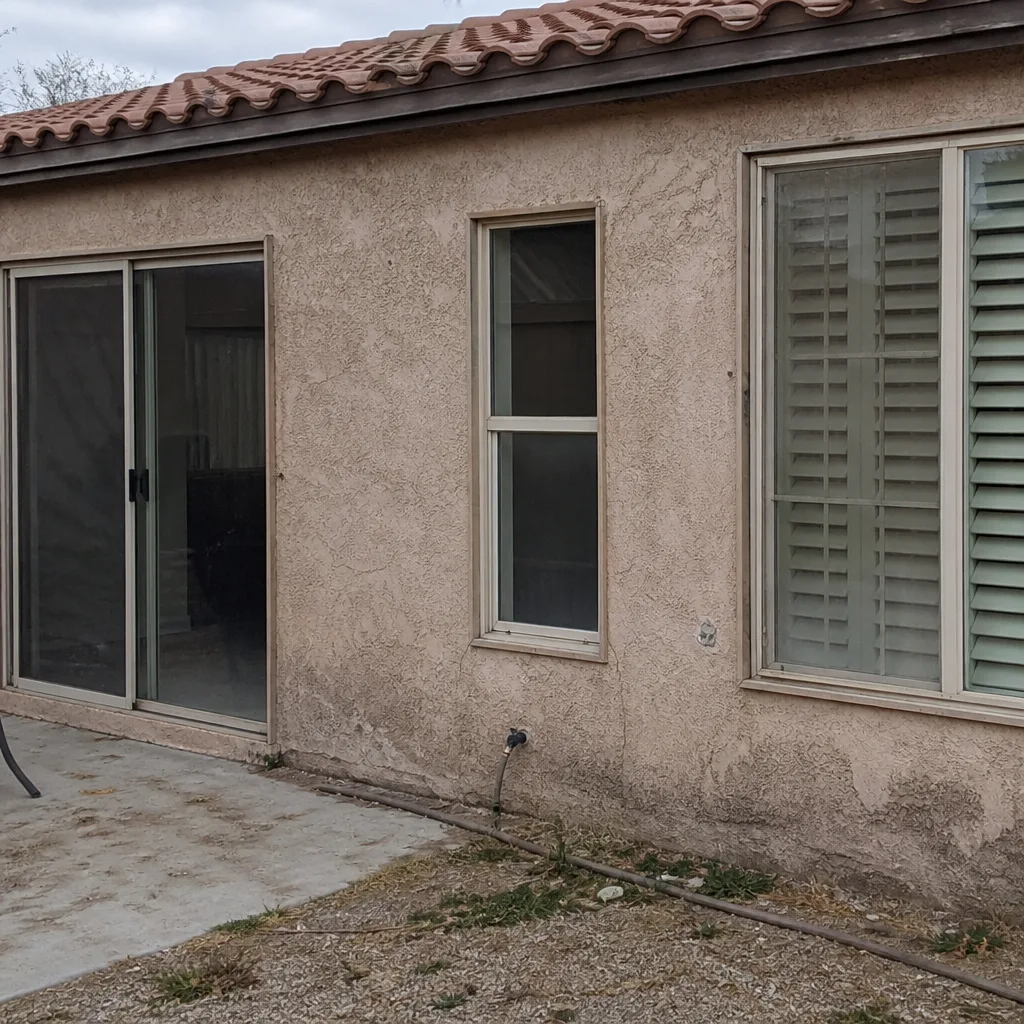 Before
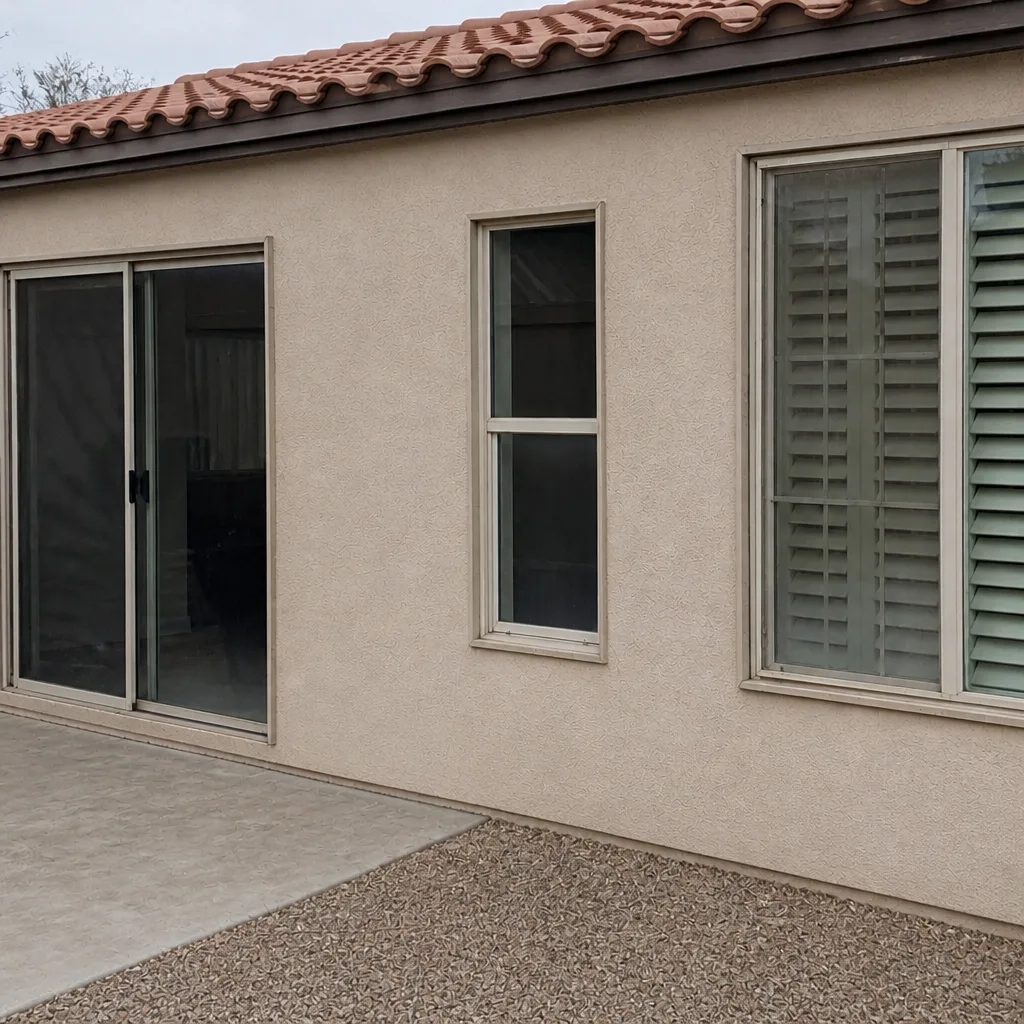 After
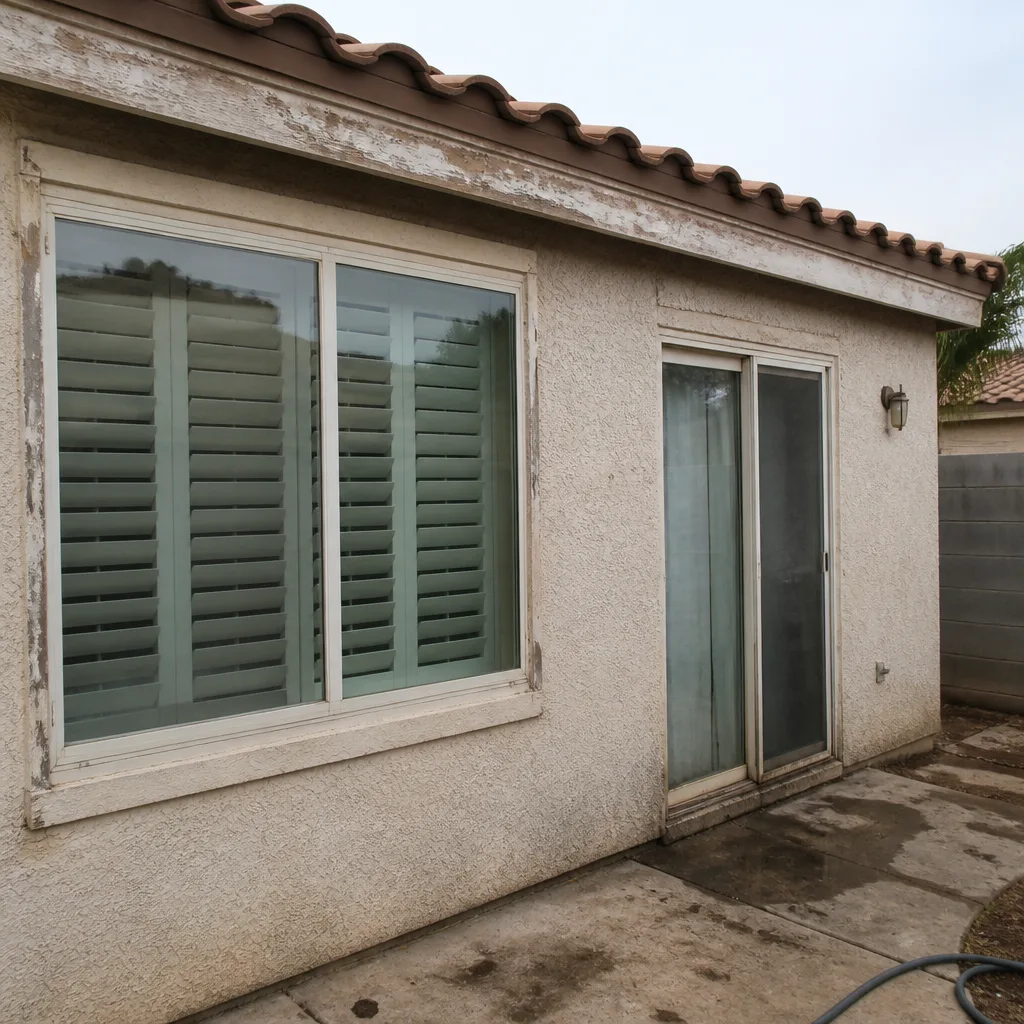 Before
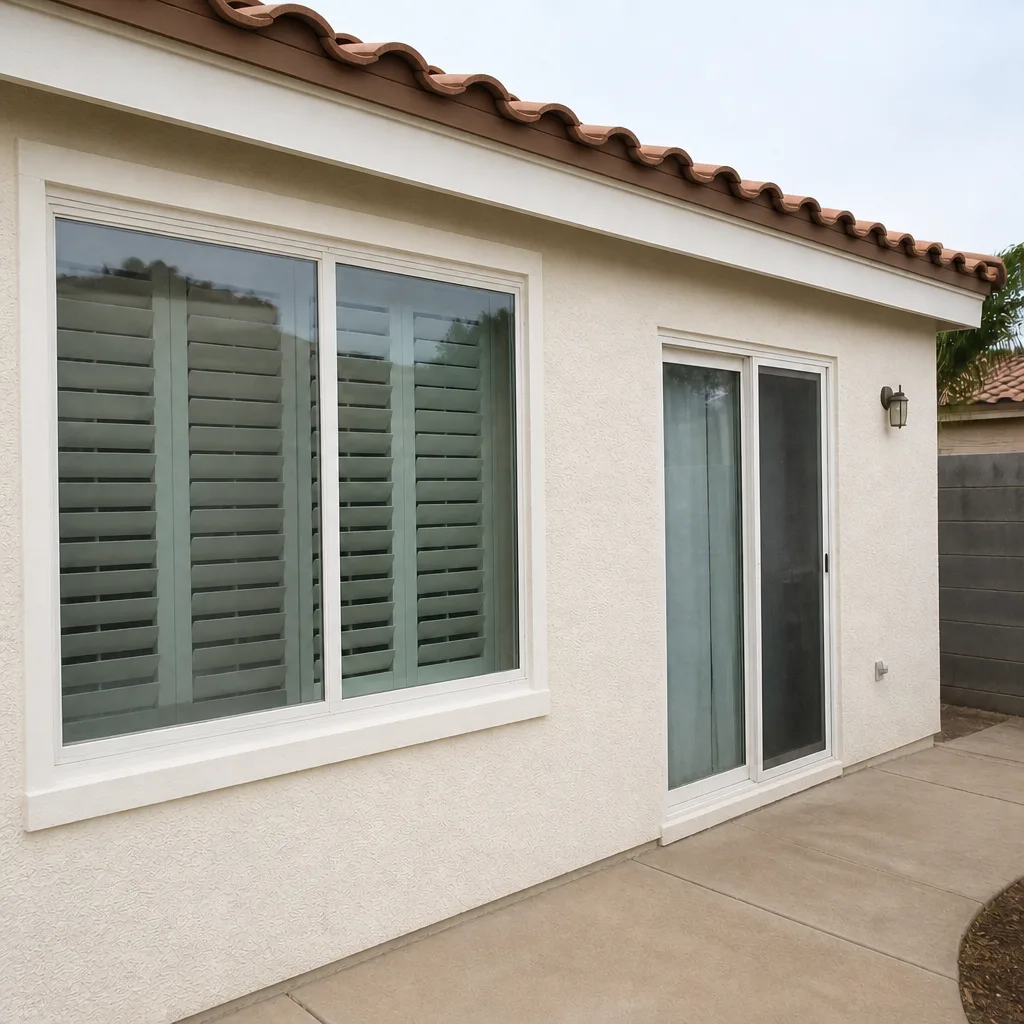 After
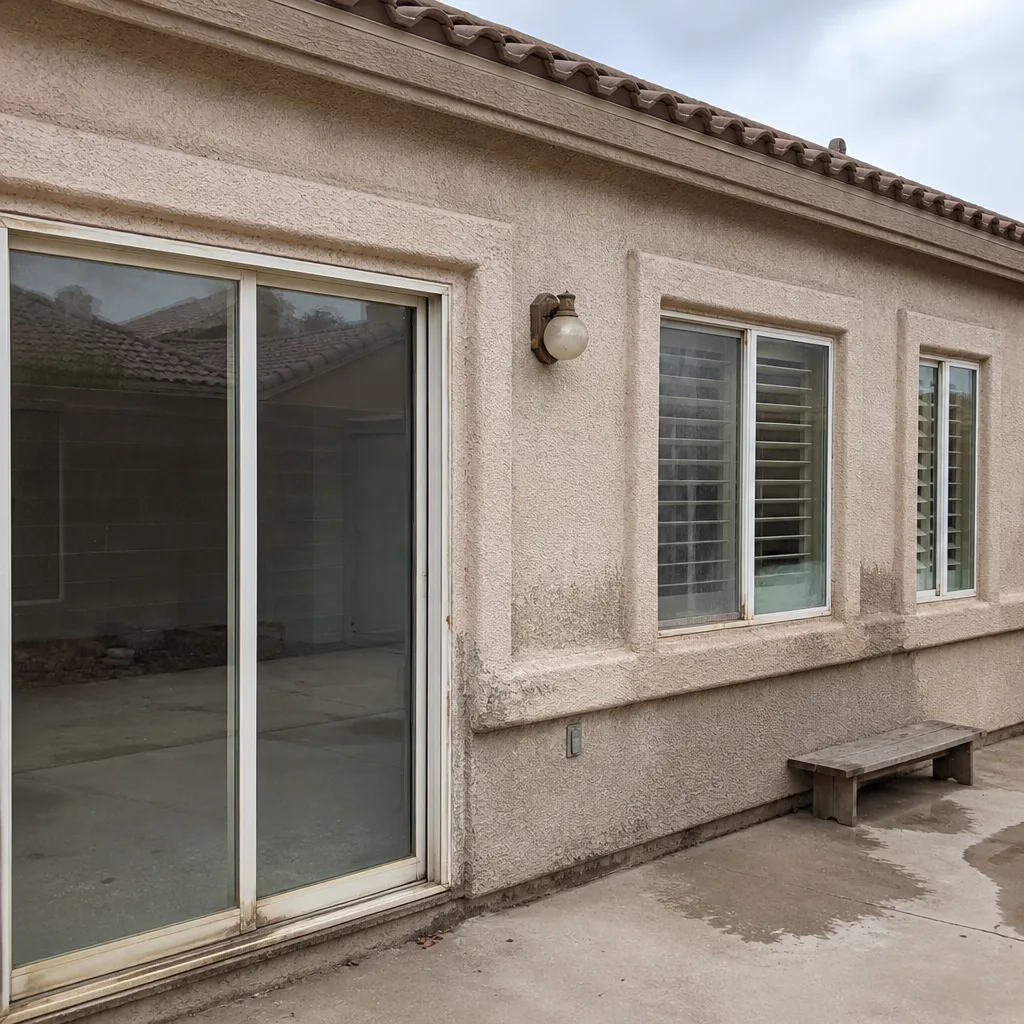 Before
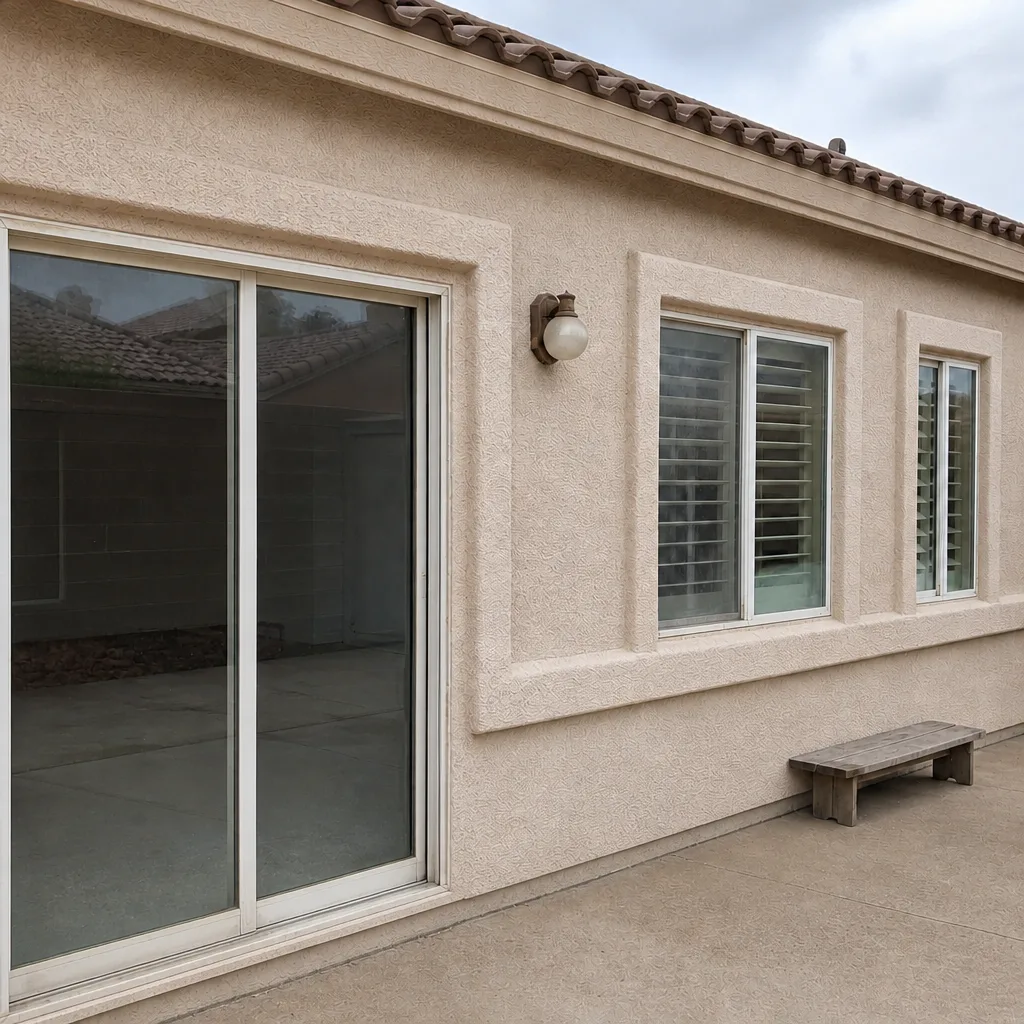 After
When to Call a Professional
Some situations clearly call for a licensed professional, and it’s worth being direct about which ones. Call a professional when you’re replacing full units rather than maintaining them, when the rough opening needs to change, when the work involves an entry or patio door threshold, when you want the manufacturer warranty to stay intact, or when you’re dealing with a water intrusion issue that needs proper diagnosis. Add any structural change to that list, and any project on a property you don’t personally occupy. Those are the lines where DIY stops being thrifty and starts being risky.
Window Replacement Henderson offers free estimates in Henderson. Our technicians have up to 10 years of experience, we work with impact-rated options through PGT and CGI as well as Therma-Tru doors, and we handle the permit and installation to spec so your warranty stays intact. Call (844) 320-4954. We answer 24/7. Fast dispatch from 7am to 7pm, Sunday through Friday.
Frequently Asked Questions
In most cases, yes, a homeowner can self-perform work on their own primary residence, subject to permit requirements. The moment you pay someone else to do it, they need to be properly licensed. Confirm the current requirements with the Nevada State Contractors Board and your local building department before you start, and remember that structural changes to an opening are a different category entirely.
Often it does, at least in part. Most product warranties include installer-qualification language, which means coverage can depend on installation by a qualified professional following the manufacturer’s specs. Labor and installation-related coverage is typically the first thing to go with a self-install. Call (844) 320-4954 for a free estimate if you want the warranty protected.
Improper flashing integration with stucco. It’s the detail that keeps wind-driven rain out during monsoon season, and it’s the hardest part to get right because you can’t see the result until it fails. Out-of-square rough openings are a close second, since they cause binding and early seal failure.
Weatherstripping, hardware adjustment, caulk refresh at the frame, and screen or standard-pane glazing repairs are all reasonable DIY tasks for a careful homeowner. Use products rated for high heat and UV. Anything that touches the water-management system or the structural opening should go to a professional.
Possibly, depending on the scope and jurisdiction. Replacing like-for-like units may or may not require one; changing an opening usually does. When you self-pull the permit, you carry the responsibility for inspections and documentation. When a licensed contractor pulls it, they handle that coordination. Check with your local building department to be sure.
It varies widely by product line, window count, and whether impact-rated or energy-efficient options are selected. The reliable way to know is a written, line-item estimate rather than a ballpark. Estimates are free and the written quote sets the final price. Call (844) 320-4954 for an exact quote.
The Bottom Line
The DIY-versus-pro question for windows and doors comes down to what failure costs. Low-risk maintenance like weatherstripping, hardware adjustment, and caulk refresh is well within reach for a careful homeowner, and you should do it yourself. Full replacement and installation is a different category: the flashing, shimming, and rough opening work decides whether the unit performs for decades or lets water in during the first monsoon. Add Nevada’s licensing framework, manufacturer installer-qualification clauses, and the permit documentation burden, and the case for professional installation gets stronger with every factor. Match the product to your home first, then get the installation right. The team at Window Replacement Henderson is ready to help you do both.
Call (844) 320-4954 for a free estimate and a written line-item quote. We answer 24/7. Fast dispatch from 7am to 7pm, Sunday through Friday.
Written by the team at Window Replacement Henderson.