Last updated November 18, 2026
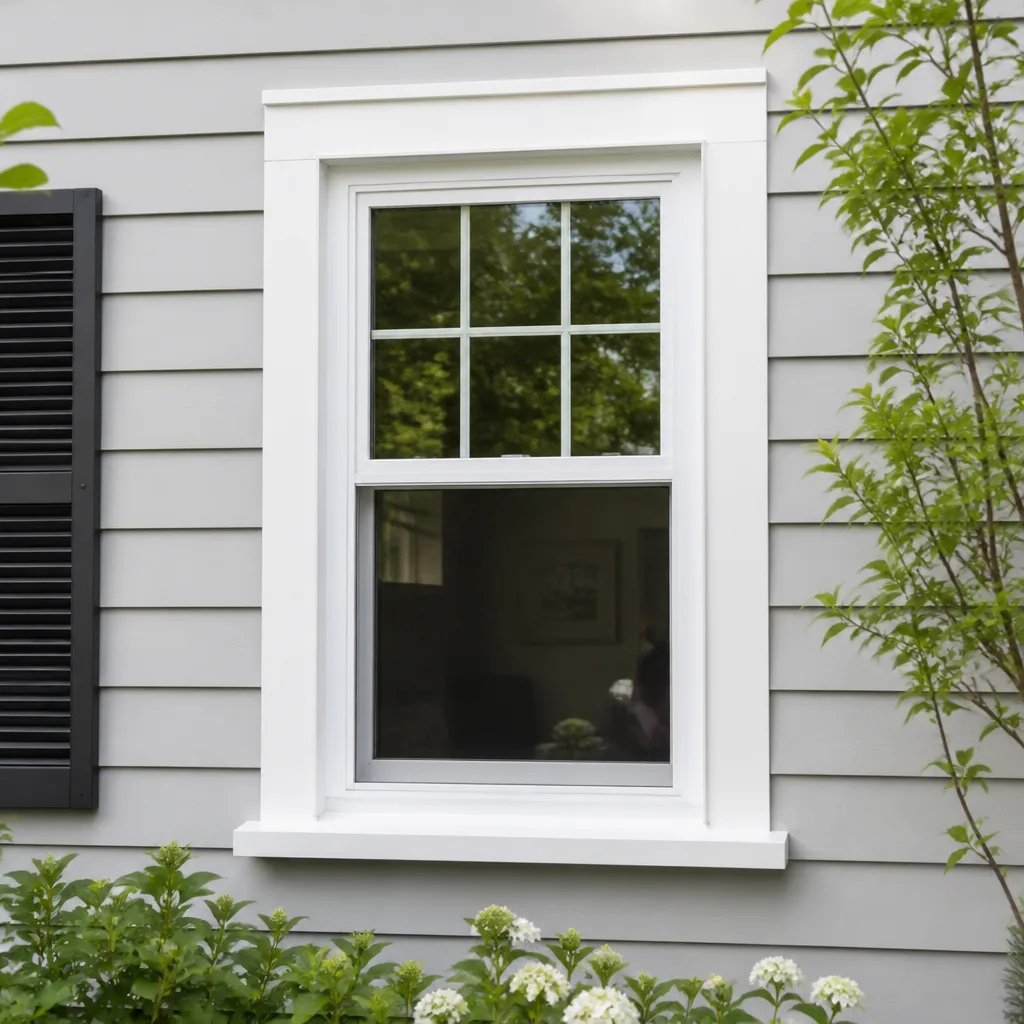 Single hung
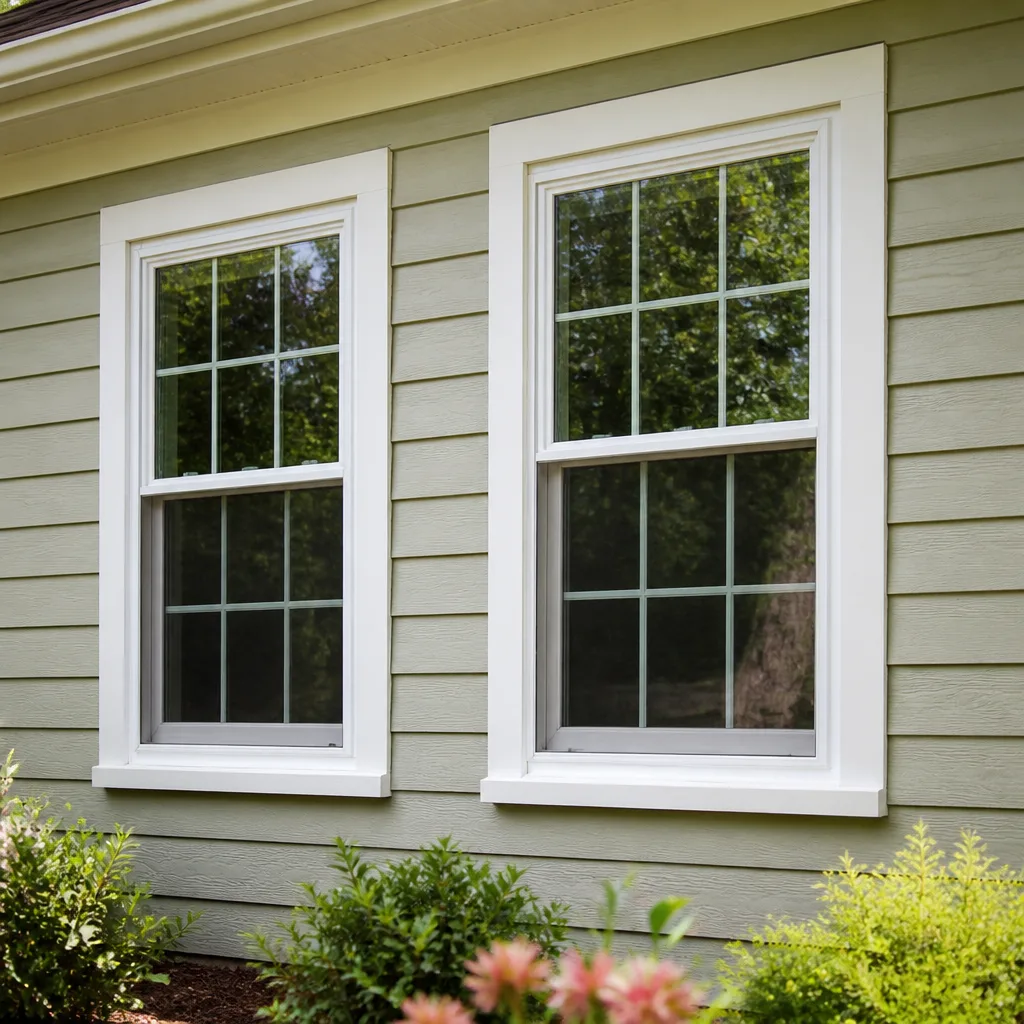 Double hung
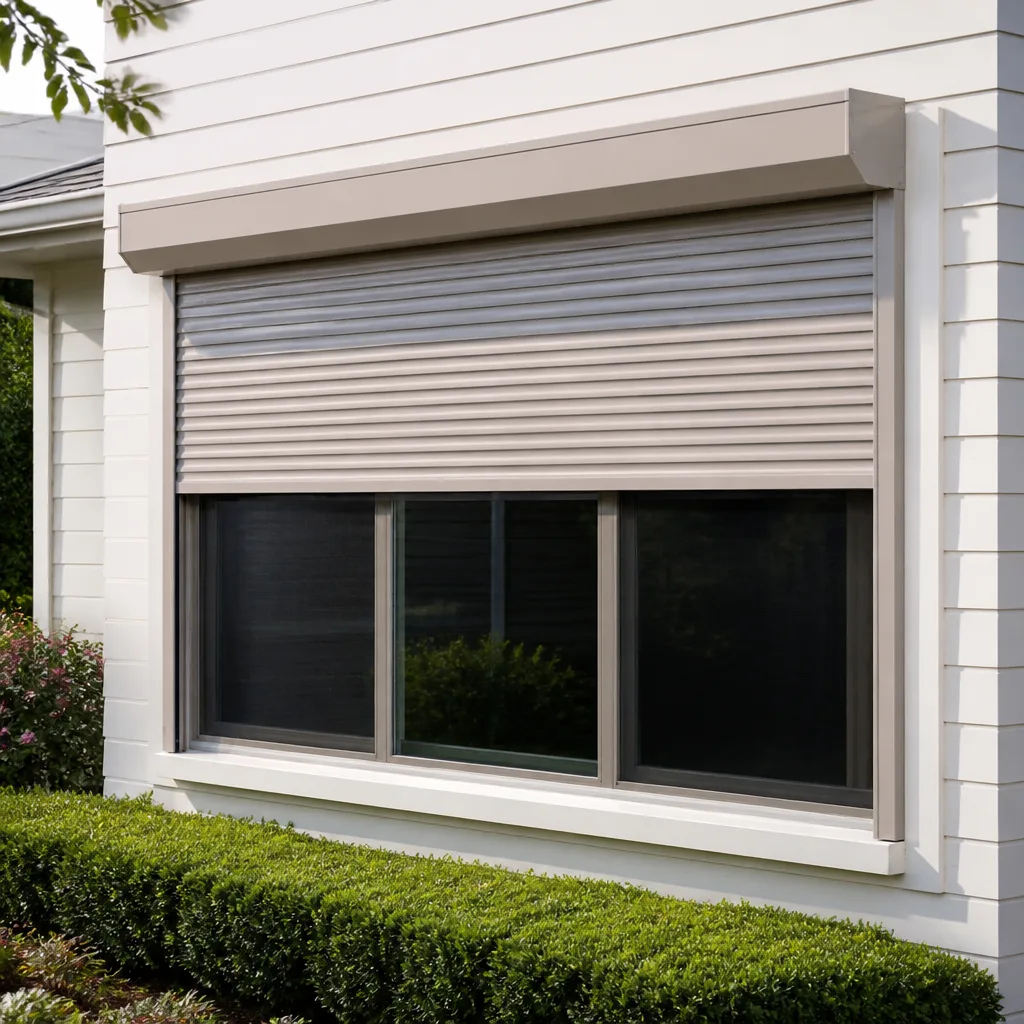 Horizontal roller
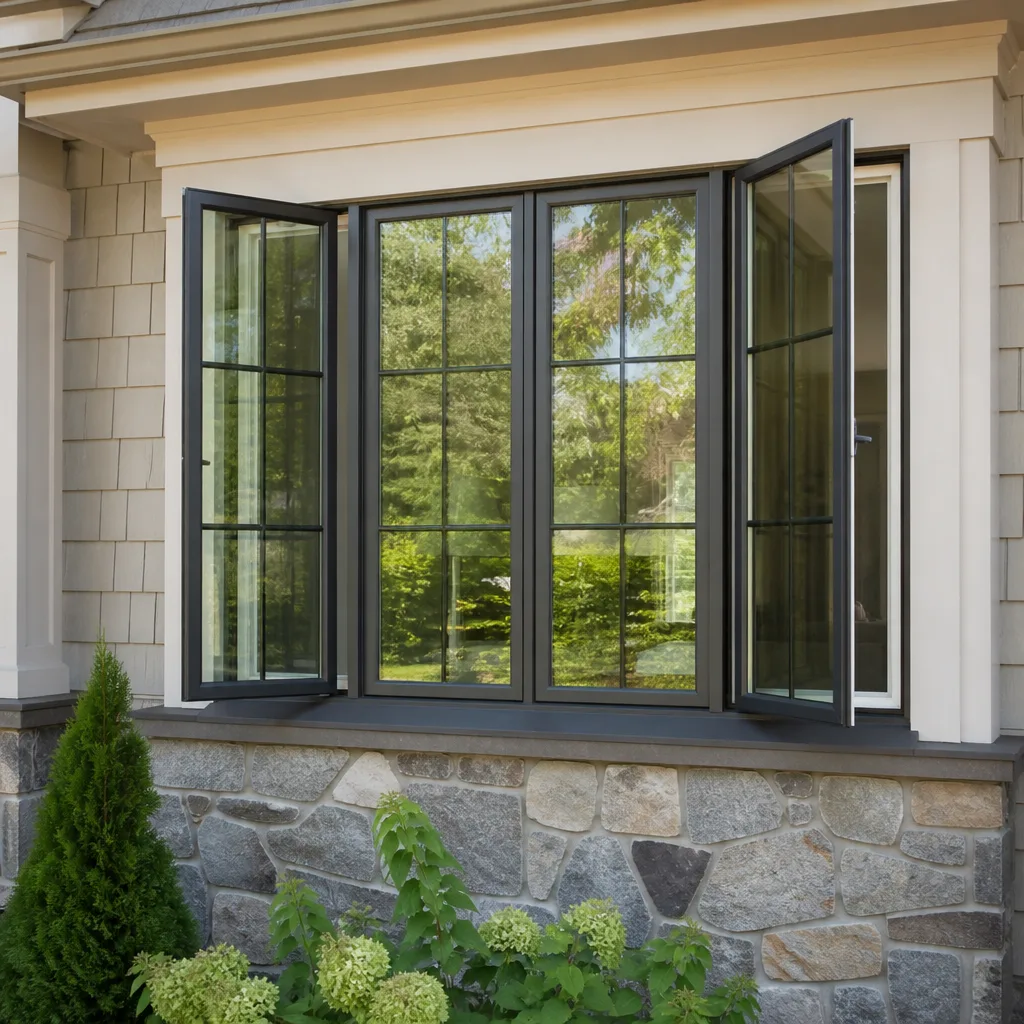 Casement
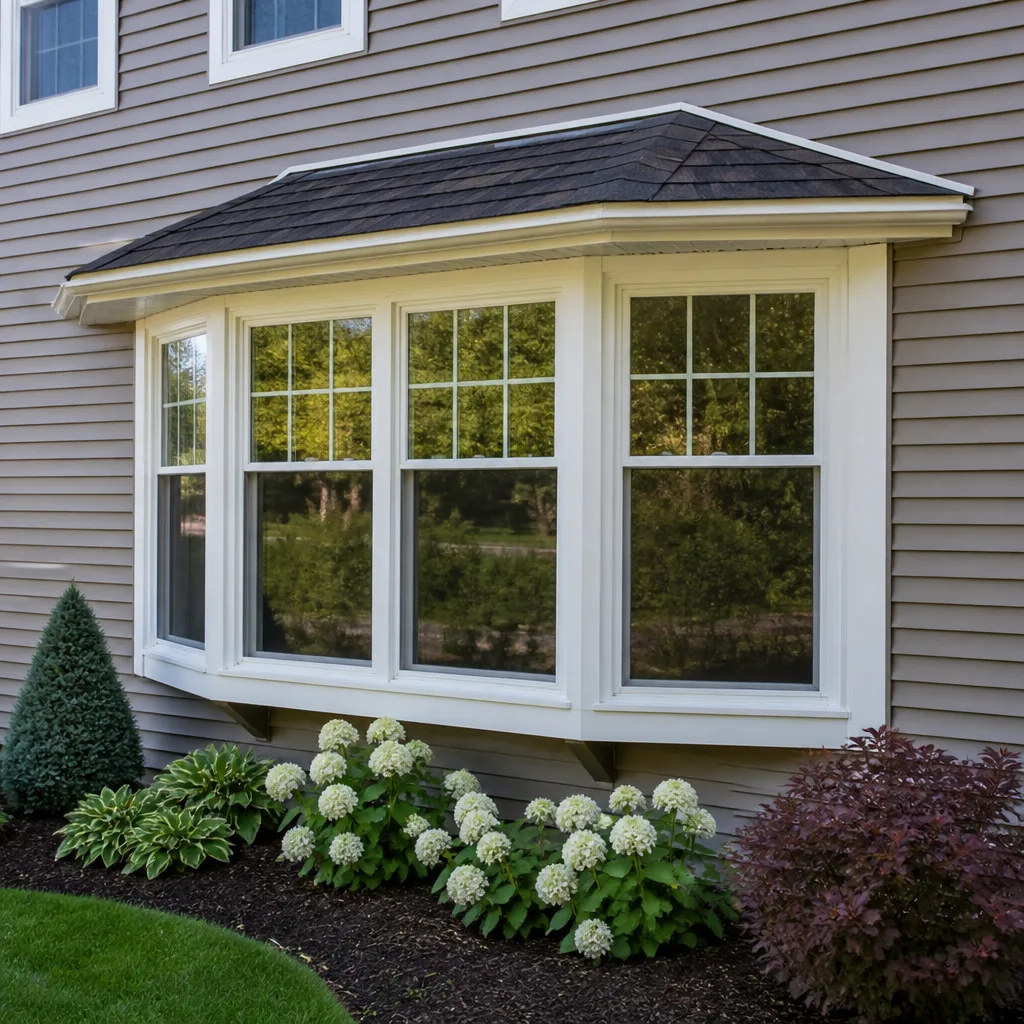 Bay & bow
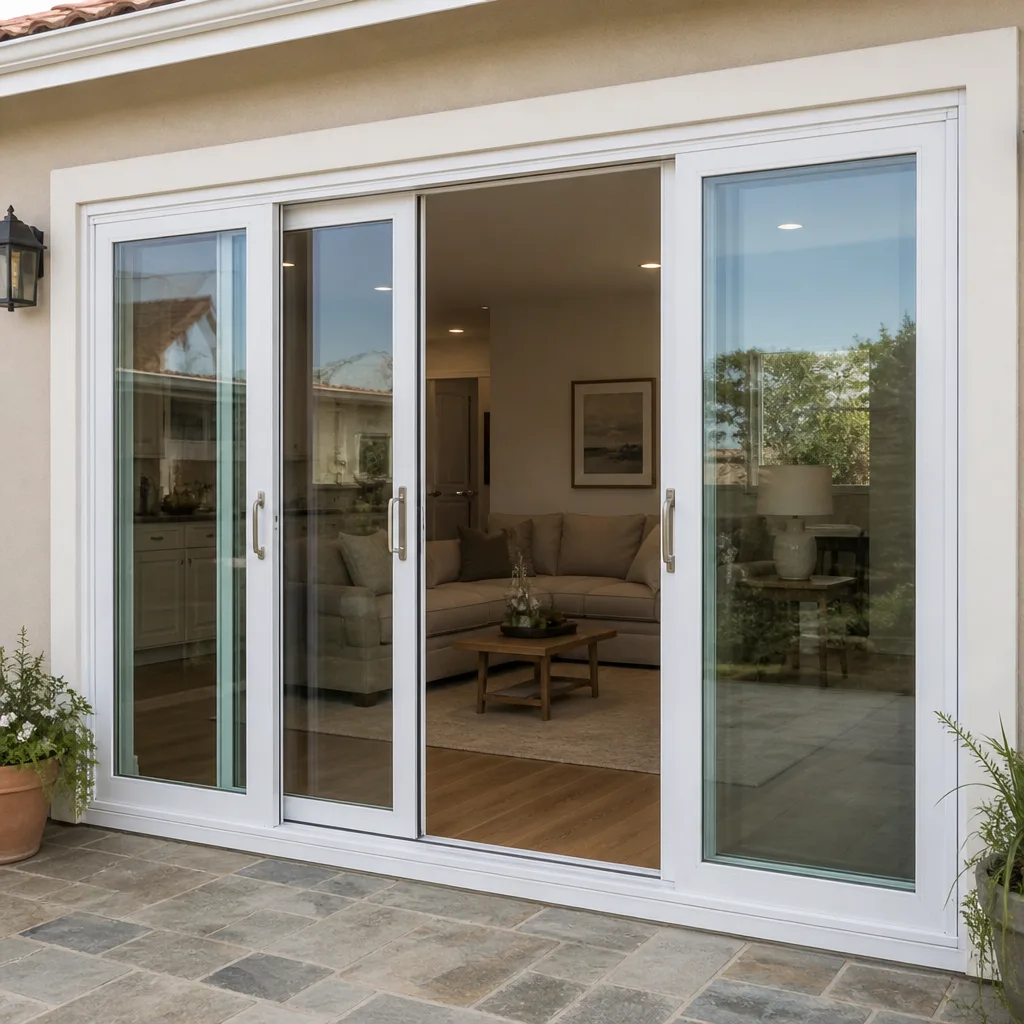 Sliding glass doors
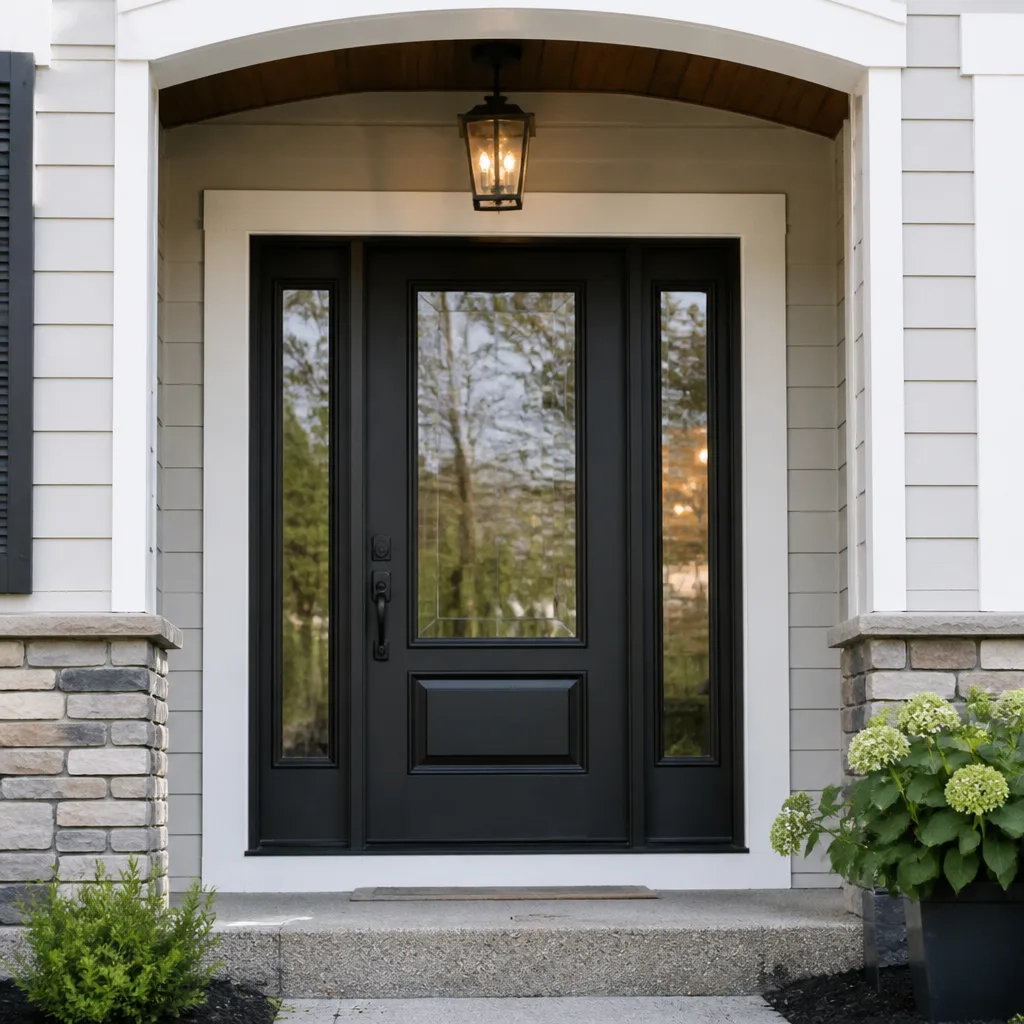 Entry doors
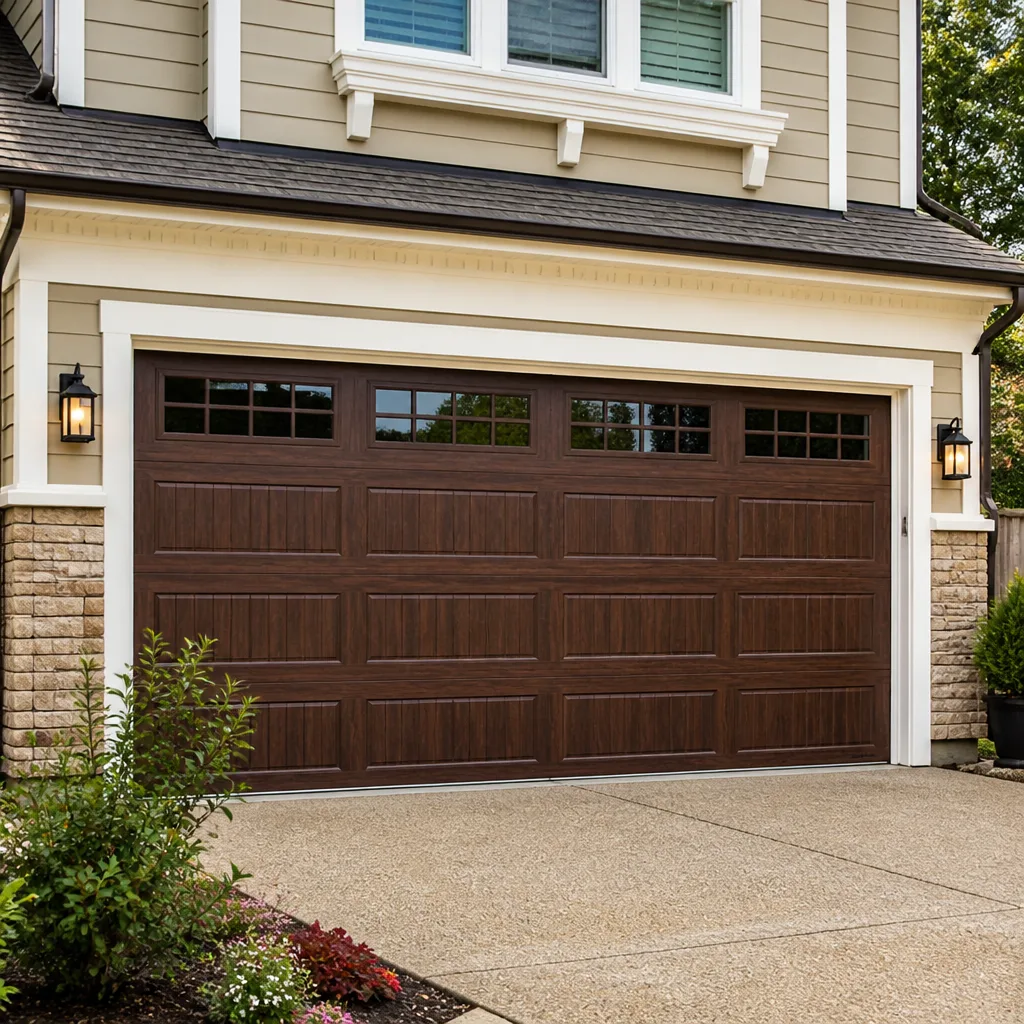 Impact garage doors
 PGT
 CGI
Free in-home measure and quote - PGT, CGI and CWS impact lines compared on your actual openings, style by style
Get your free estimateWindow Replacement Troubleshooting in Henderson: Common Problems and How to Fix Them
A fogged double-pane window is the most misunderstood failure in home improvement. Homeowners replace the entire unit when a glass-only repair would have solved it for a fraction of the cost, and other times they try to reseal a window that’s already past saving. In Henderson, the desert climate, the stucco construction common across the valley, and the mix of older aluminum units with newer vinyl all create specific failure patterns that are easy to misread. This guide maps symptoms to actual root causes so you pay for the right fix, not the wrong one.
Quick Answer
Most window problems in Henderson trace back to one of four root causes: a failed seal between glass panes, worn weatherstripping or hardware, water intrusion through missing or failed flashing behind the stucco, or a window that’s simply reached the end of its service life. Diagnosing which one you’re dealing with before calling anyone saves money and prevents a window replacement that doesn’t solve the real problem. If you’re unsure after reading this guide, ask for a free assessment before committing to any work.
Styles & brands we work with
- Single hung
- Double hung
- Horizontal roller
- Casement
- Bay & bow
- Sliding glass doors
- Entry doors
- Impact garage doors
- PGT
- CGI
Table of Contents
- The Symptom-to-Cause Diagnostic Matrix
- Condensation: Three Locations, Three Completely Different Problems
- Why Stucco Homes in Henderson Hide Flashing Failures
- The 5-Minute Draft Test: Weatherstripping, Hardware, or Replacement?
- Aluminum Single-Pane Windows in Pre-2000 Henderson Homes
- What a Real Installer Warranty Covers (and What It Doesn’t)
- Repair or Replace? A Decision Framework
The Symptom-to-Cause Diagnostic Matrix
Before you call anyone, match what you’re seeing to what’s actually failing. The table below is the single most useful tool in this guide, because it separates cosmetic complaints from structural problems and glass failures from frame failures.
Symptom: fog, haze, or moisture between the panes
Cause: the sealed glass unit’s perimeter seal has failed and moisture has entered the gap. This is a glass problem, not a frame problem. In many cases only the insulated glass unit needs replacing, not the whole window. On Henderson’s west-facing walls, where afternoon sun is relentless, this seal failure happens more often because the temperature swing across the glass is extreme.
Symptom: condensation on the inside surface of the glass
Cause: high interior humidity, not a window defect. Running a whole-house humidifier in a dry climate or poor bathroom ventilation drives interior condensation. The window is doing its job; the moisture balance in the home is the issue.
Symptom: condensation or frost on the outside surface
Cause: your window is actually performing well. A cold exterior surface means heat is being kept inside where it belongs. This is normal and requires no repair.
Symptom: water staining on the interior wall or ceiling near a window
Cause: almost always a flashing or drainage issue at the exterior, not the window unit itself. This is the most misdiagnosed problem in Henderson, and it’s covered in detail below.
Symptom: a draft you can feel near the edges
Cause: weatherstripping, a sash that’s out of square, or hardware that’s not pulling the sash tight. A 5-minute test (below) tells you which.
Symptom: the window won’t open, close, or latch
Cause: hardware wear, settling of the frame, or debris in the track. Often a repair, not a replacement.
- Seal failure between panes = glass problem, often repairable alone.
- Interior surface condensation = humidity problem, not a window problem.
- Exterior surface condensation = normal, healthy performance.
- Wall or ceiling staining = flashing or drainage, possibly a masonry issue.
- Edge draft = weatherstripping or hardware adjustment first.
- Operational failure = hardware or frame, diagnose before replacing.
Condensation: Three Locations, Three Completely Different Problems
No single symptom confuses homeowners more than condensation, because it looks the same no matter where it appears. The location is everything. Where the moisture shows up tells you whether you have a failed unit, a healthy window, or a habitat problem inside the house.
Between the panes
Moisture, fog, or a milky haze trapped inside the sealed glass unit means the seal that holds the insulating gas has failed. The unit is still structurally attached to the frame and the window still operates; what’s gone is the insulating performance and the clarity. In many windows, the frame is fine and the insulated glass unit alone can be swapped. This is one of the most cost-effective fixes available and one of the most commonly oversold, because replacing a whole window solves it too, just at a much higher price.
On the interior glass surface
Water beads or film on the room-side glass points to interior humidity. Henderson is dry, but a whole-house humidifier set too high, a bathroom without a working exhaust fan, or a kitchen with poor ventilation can push interior moisture up enough to condense on the coolest surface in the room, which is the glass. Wiping it away is not a fix. The air inside the home needs to move better, and no window replacement will stop it.
On the exterior glass surface
Condensation or thin frost on the outside of the glass is a sign your window is working. The exterior pane runs cold because heat is staying indoors, so exterior moisture condenses there. Nothing needs repair. A homeowner who mistakes this for a defect and replaces a perfectly good window spends money solving a problem that didn’t exist.
The practical takeaway: check where the moisture is before assuming you need a new window. If the fog is inside the glass and the frame is sound, an insulated glass swap through a window replacement specialist is often the right call. If it’s on the room side, look at humidity first.
Why Stucco Homes in Henderson Hide Flashing Failures
Most of the older residential construction around Henderson is stucco over sheathing, and stucco is a stubborn material that hides water intrusion behind a surface that looks flawless. This is the single most important thing to understand about window troubleshooting here: water damage around a window is frequently not a window defect at all.
Water gets behind stucco when the flashing above or around a window opening was installed incorrectly, was omitted, or has failed at a seam. The intrusion path is behind the wall surface, so the first sign a homeowner sees is usually a water stain on the interior drywall or a soft spot in the wall, not a visible gap outside. A window installer who only swaps the window will leave the failed flashing in place, and the stain returns within a season or two. In our experience, this is the single biggest cause of a “replacement that didn’t fix the leak” call.
What to look for:
- Water stains or bubbling paint on the interior wall near a window corner, especially at the top.
- Soft, spongy drywall or crumbling texture just below or beside the window.
- Visible cracks or gaps in the stucco at the window head or sill.
- Staining on the exterior wall below a window sill after rain.
- A leak that only appears during wind-driven rain from a particular direction.
When the flashing is the culprit, the correct fix usually involves a stucco or masonry specialist to open the wall, repair the moisture barrier and flashing, and re-seal. A window replacement on its own can’t fix a wall that’s leaking around the opening. This is why a proper assessment has to look at the opening, not just the unit, before anyone quotes you.
The 5-Minute Draft Test: Weatherstripping, Hardware, or Replacement?
A drafty window can mean three very different things, and getting the diagnosis right determines whether you spend a little or a lot. Here’s a field test any homeowner can run in a few minutes on a cold morning.
- Back of the hand test. On a cool morning, hold the back of your hand slowly around the full perimeter of the closed window, about an inch from the frame. If you feel air moving at one specific spot, note exactly where. A localized draft usually means worn weatherstripping or a hardware gap at that point.
- Paper test. Close the window on a strip of paper at the suspected spot. If the paper slides out with almost no resistance, the sash isn’t sealing against the frame there. Try the paper at several points. Resistance that varies around the perimeter tells you the sash is out of square or the hardware isn’t pulling it tight.
- Lock check. Close and lock the window as you normally would. Then unlock it and see if the sash visibly shifts outward. If it moves, the lock is doing the sealing, and the hardware or the sash alignment needs attention rather than the whole window.
- Bump and rattle test. Tap gently on the sash near the hinge or operator. A sash that rattles against the frame has a hardware or weatherstrip problem, not a structural one.
- Interior wall check. Run a finger along the interior wall below the window sill. Any softness or staining changes the diagnosis entirely, because that points to water behind the wall, not a draft.
Interpretation is simple. A draft felt at one spot with strong paper resistance elsewhere is a weatherstripping or hardware adjustment, and it’s usually a modest repair. A draft around the entire perimeter, with weak paper resistance all the way around, a sash that shifts when unlocked, and visible wear at the frame, is a stronger case for replacement. If the interior wall is soft or stained, stop and get the flashing checked before quoting a window.
Aluminum Single-Pane Windows in Pre-2000 Henderson Homes
A large share of pre-2000 homes in Henderson still have the original aluminum single-pane windows, and those units fail in recognizable ways. Aluminum frames conduct heat and cold directly, so the interior surface gets very cold in winter and very hot in summer, and the frames expand and contract with the desert temperature swing far more than vinyl or wood.
The common failure patterns in these older aluminum windows:
- Thermal bridging. The aluminum frame itself conducts outdoor temperatures inside, so interior condensation and cold spots near the frame are common even when the glass is intact.
- Felt and weatherstrip decay. The older weatherstripping material hardens, flattens, and crumbles, and the windows begin to rattle and leak air.
- Hardware fatigue. The operators and latches on older sliders and casements wear out or seize, leaving sashes that stick or won’t latch.
- Seal failure in glass. If the unit was ever a double-pane, the perimeter seal fails the same way any double-pane does.
- Frame settlement. Decades of expansion and contraction can leave the frame slightly out of square, making the sash bind.
The threshold question is when repair stops making sense. Replacing weatherstripping and hardware is a reasonable fix if the glass and frame are sound and the window only needs to keep performing for a few more years. Once an aluminum window is failing on multiple fronts at once, the frame is out of square, the glass is fogged, and the weatherstripping is gone, a repair cost starts to approach replacement, and replacement delivers far better performance in a desert climate. Energy-efficient options across brands like ECO Window Systems and ES Windows let Henderson homeowners pick an efficiency level that matches the budget, and impact-rated options through PGT and CGI add wind resistance without changing the look of the house.
If you’re weighing this decision for a whole home rather than one window, the Window Replacement Henderson guide covers the process, timeline, and what to expect from start to finish.
What a Real Installer Warranty Covers (and What It Doesn’t)
Most window complaints that turn into disputes aren’t about the product failing. They’re about the gap between what the manufacturer covers and what the installer covers, and a homeowner caught in that gap pays twice. Understanding the split before you sign prevents the problem.
Manufacturer warranty typically covers:
- Defects in the glass, such as a seal failure within the covered period.
- Defects in the frame material itself.
- Defects in the hardware as supplied.
Manufacturer warranty typically does not cover:
- Installation errors, which is where the leaks and drafts usually originate.
- Water intrusion through flashing or the surrounding wall.
- Damage from settling, impact, or improper cleaning.
A written installer warranty should cover the workmanship: the sealant and flashing at the opening, the level and plumb of the unit, the operational adjustment of the hardware, and the fit of the unit in the rough opening. If the installer’s warranty doesn’t spell out workmanship as a separate item from the manufacturer’s product warranty, ask why.
The gap appears when a leak is traced to flashing or sealant, the manufacturer correctly declines the claim because the product isn’t defective, and the installer has nothing in writing that covers the labor to fix it. The way to avoid that gap is simple: get the workmanship warranty in writing, confirm what it covers and for how long, and keep it with your records. A legitimate installer will put it in writing without being asked. When a door is part of the project, the same rule applies, and specialists who install Therma-Tru doors understand that the product warranty and the install warranty are two different documents.
Repair or Replace? A Decision Framework
The decision rarely comes down to one factor, but a systematic look gets you to a clear answer faster than intuition. Run through these questions in order and the path usually becomes obvious.
- Where is the water? Inside the glass means the glass unit is failing but the frame may be fine. On the room-side surface means a humidity issue. On the exterior surface means the window is working. On the wall means the flashing or wall is the problem, not necessarily the window.
- How many windows are affected? One window failing in a 30-window house is a single repair. Every window on the west side fogging at once tends to signal age and a replacement decision for the whole elevation.
- What’s the condition of the frame? A sound frame with a failed glass unit can often be repaired with an insulated glass swap. A frame that’s out of square, rotted, or showing multiple hardware failures is a replacement case.
- What’s the age of the window? Windows built before 2000 in Henderson are typically single-pane aluminum or early vinyl, and their overall energy performance in a desert climate is well below what’s available today. At that age, a repair is a stopgap, not a long-term plan.
- Is the repair money realistic? Add up the cost of the glass swap, weatherstripping, hardware, and labor. If it approaches even a portion of replacement cost on an aging window, replacement wins on value, and the efficiency gain in a Henderson summer pays back over time.
If the answer points to replacement across several windows, the window installation process runs the same way whether it’s one unit or a whole home, and getting a written line-item estimate first is how you compare apples to apples.
Common Mistakes to Avoid
- Replacing a whole window for a fogged glass unit. When the frame is sound and only the seal has failed, the glass alone is often the fix, and replacing the entire window adds cost without adding benefit.
- Blaming the window for a wall leak. In stucco homes around Henderson, water stains near a window are frequently flashing failures behind the wall, and a new window over failed flashing leaks the same way the old one did.
- Treating exterior condensation as a defect. Condensation on the outside of the glass means the window is keeping heat inside. Replacing it solves nothing.
- Resealing a window that’s out of square. If the sash binds or won’t latch, sealant and weatherstripping are the wrong fix. The frame or hardware needs attention first.
- Comparing quotes without comparing the line items. A low bid that skips flashing detail, proper sealing, and a written workmanship warranty is not a lower price, it’s a smaller scope of work.
- Assuming all brands perform the same. Impact resistance, efficiency ratings, and frame materials differ across the eight brands we carry, and choosing one line for every window in the house ignores how different elevations of a Henderson home perform in the sun.
- Skipping the flashing inspection on any replacement. Even a perfect window install leaks if the opening was never properly detailed, and a contractor who doesn’t inspect the opening before removing the old unit is guessing.
See the difference
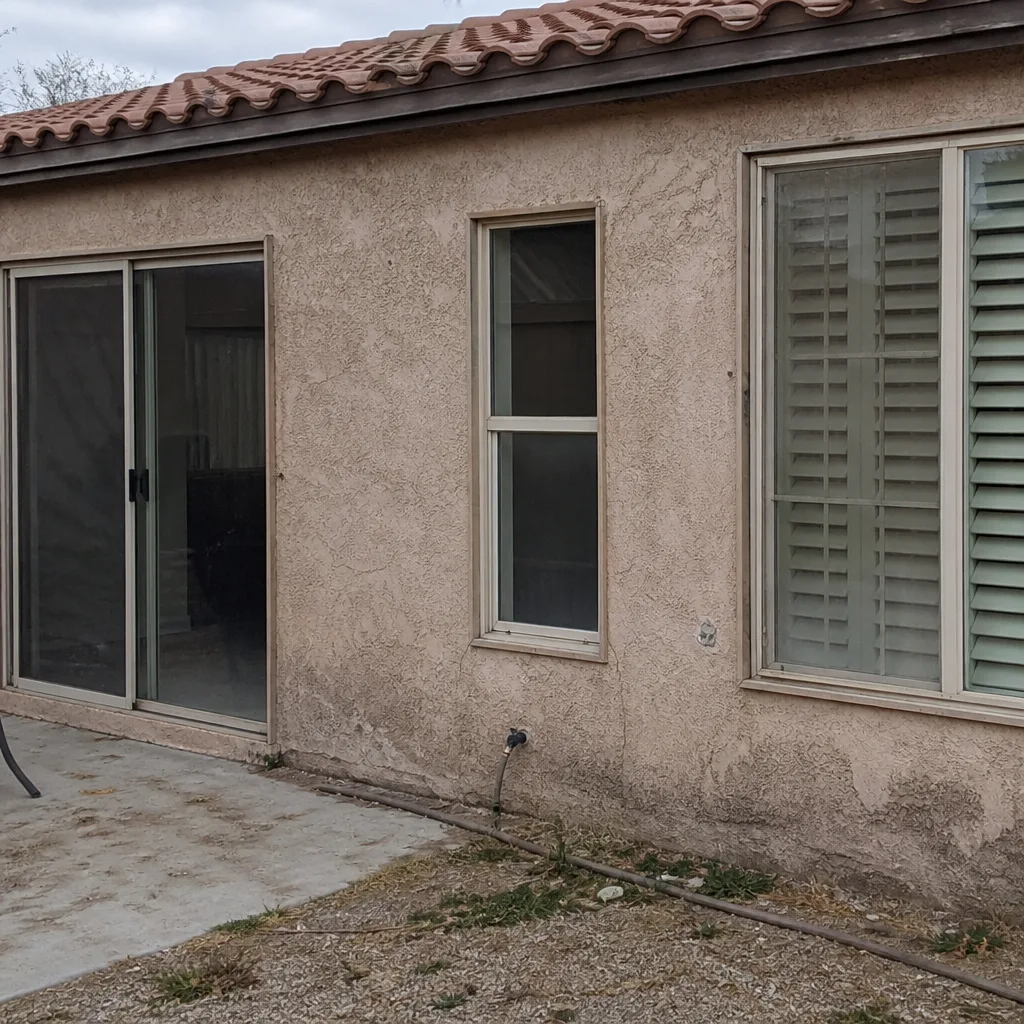 Before
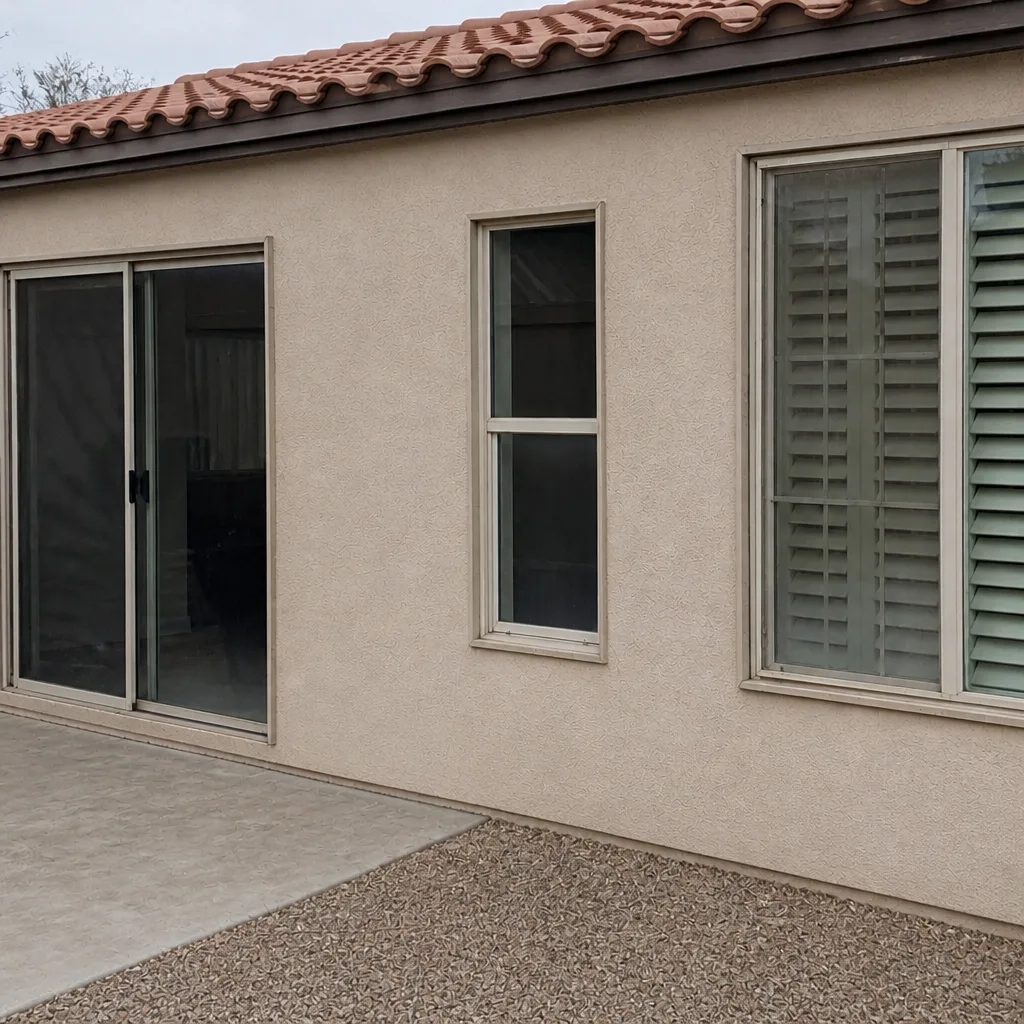 After
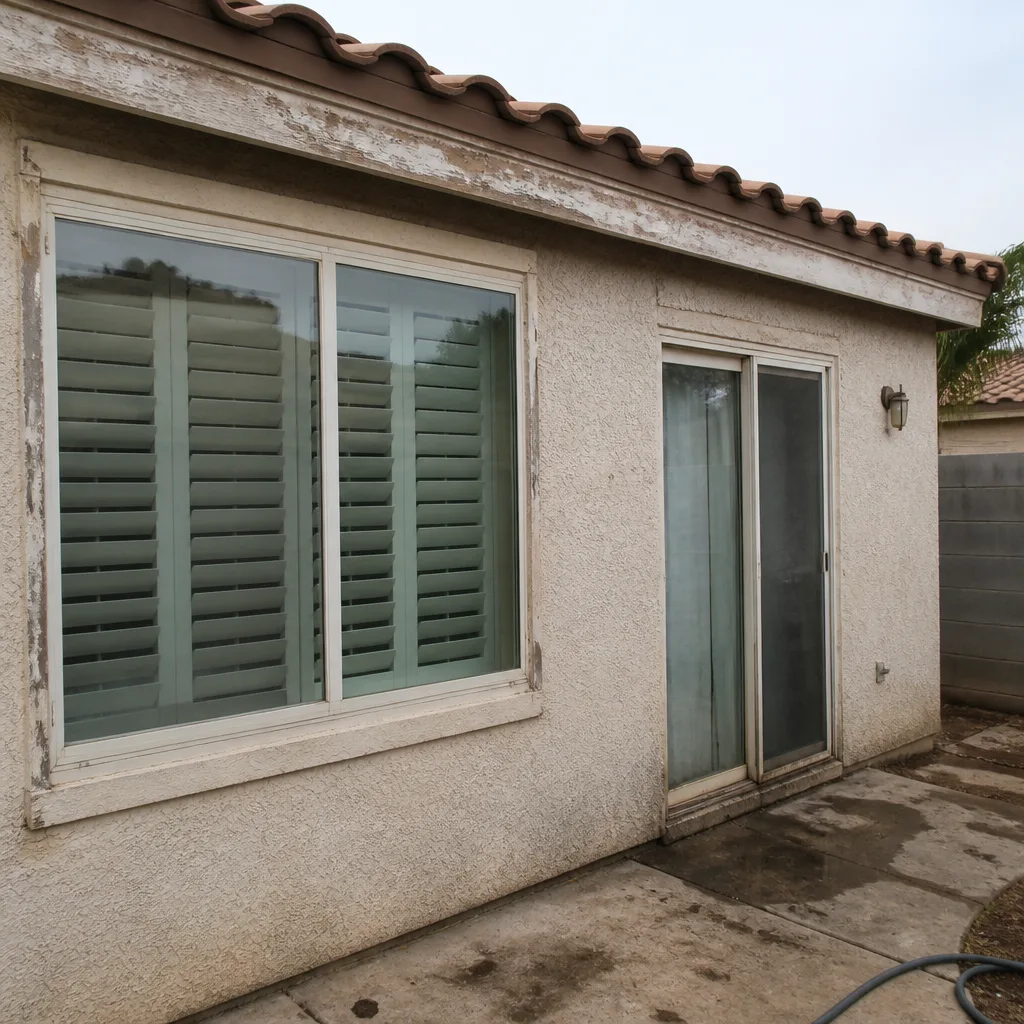 Before
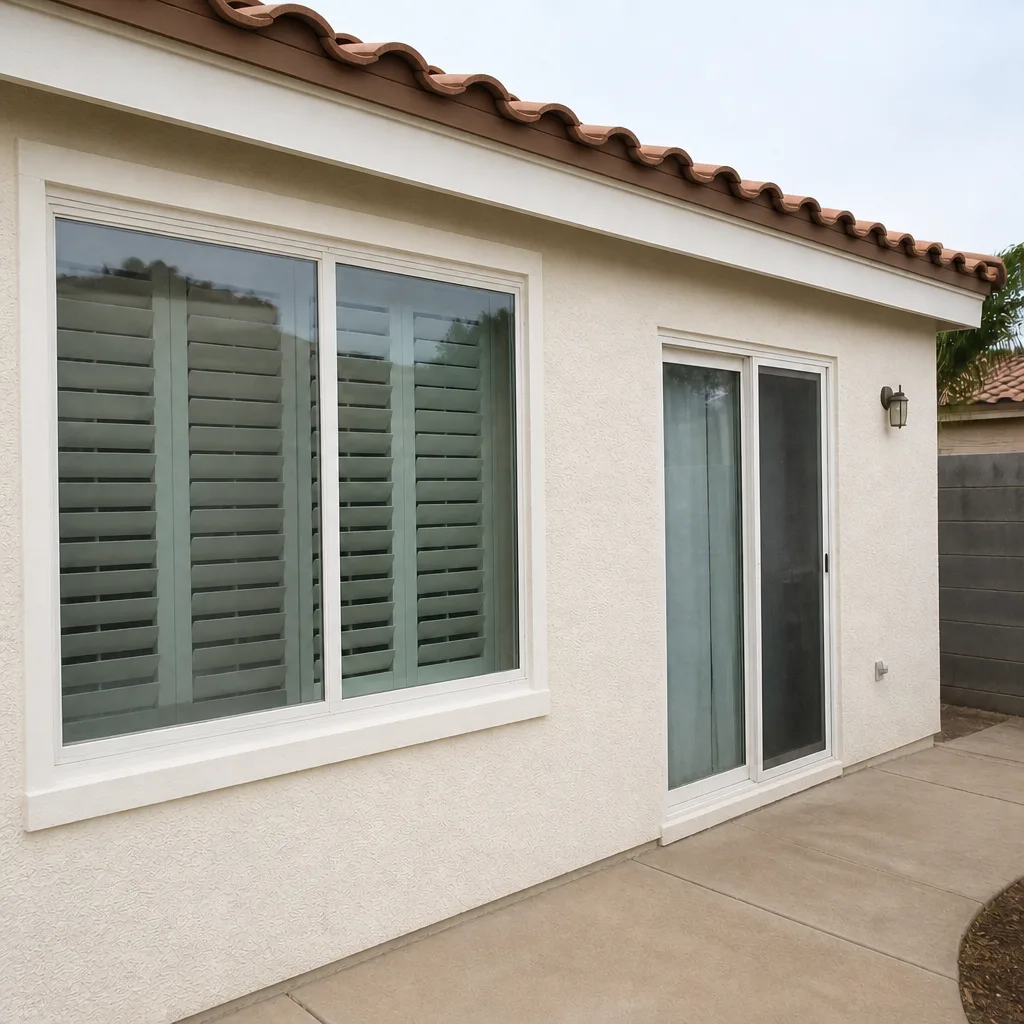 After
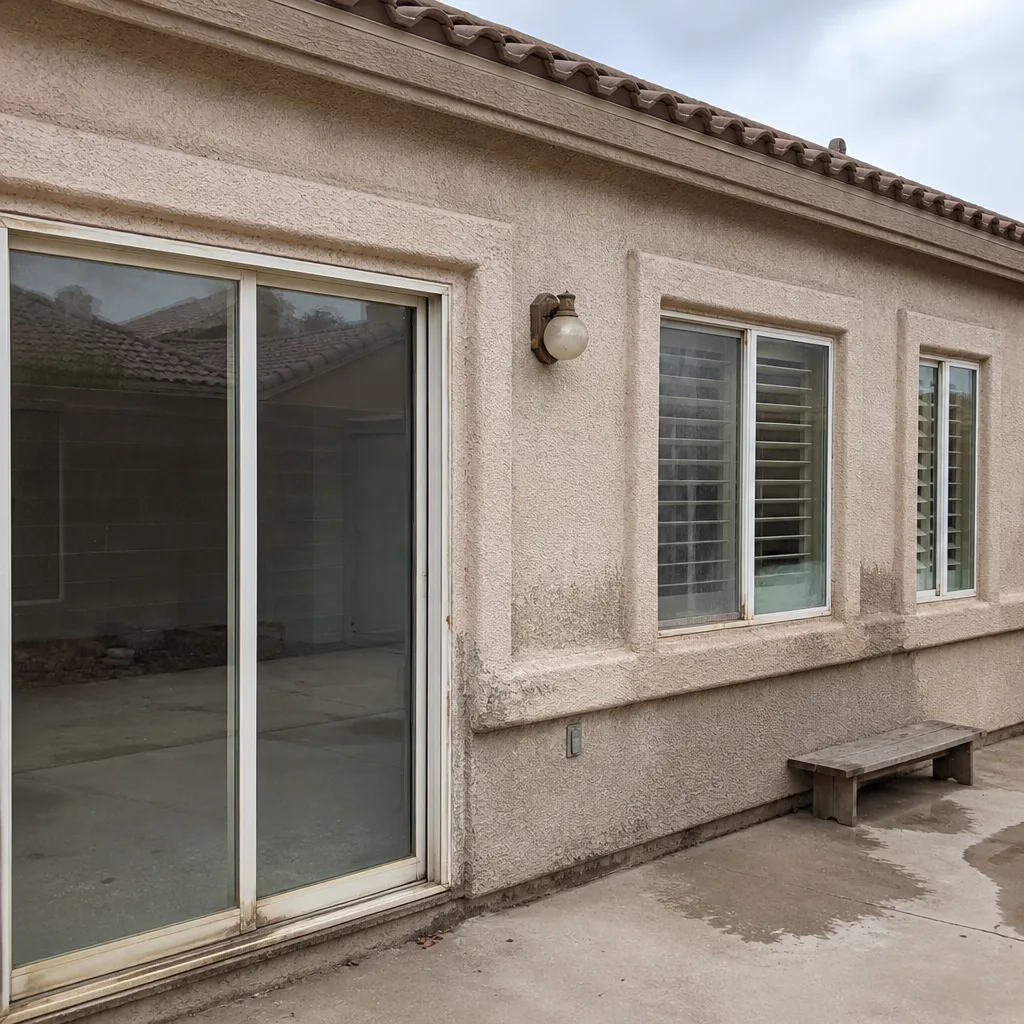 Before
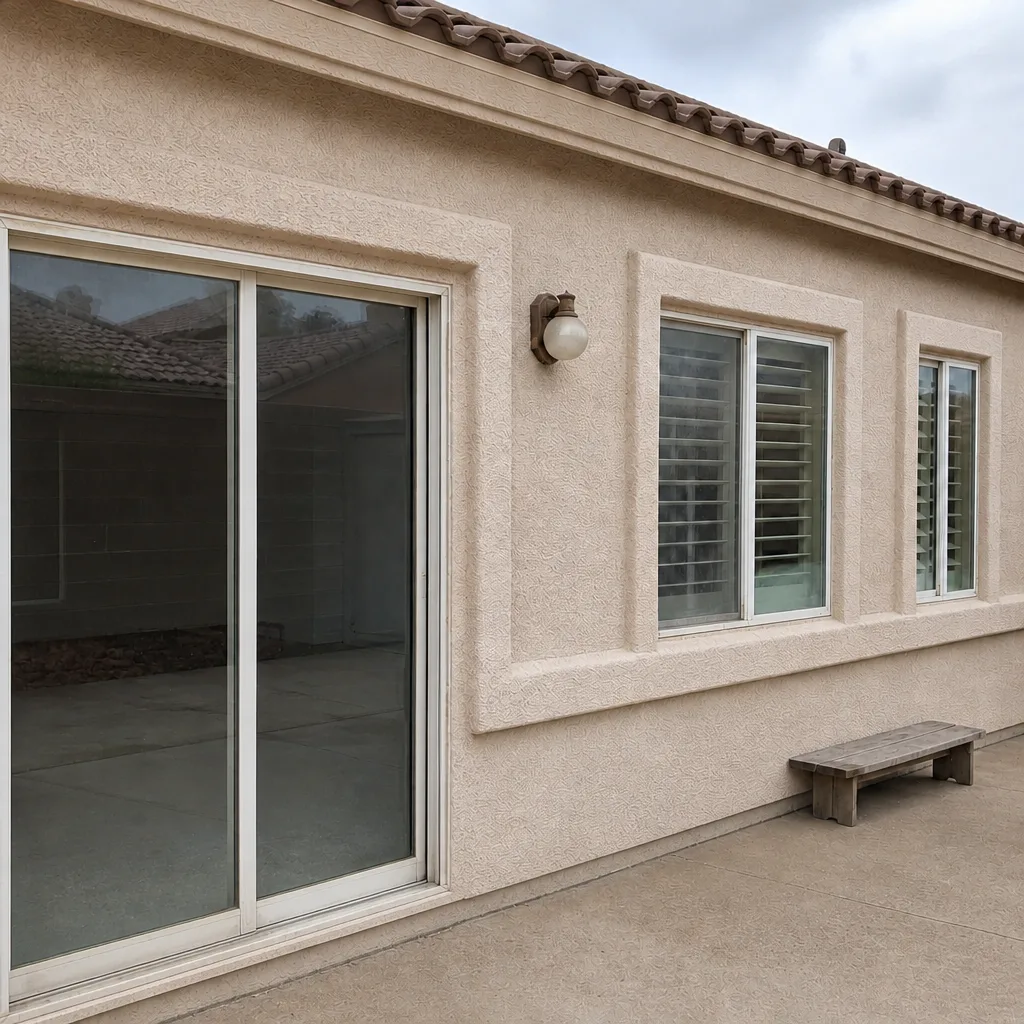 After
When to Call a Professional
Some of the checks above are homeowner-safe: the paper test, the back-of-the-hand draft test, and looking for staining. But some situations need trained eyes, and trying to fix them yourself can make the damage worse. Call a professional when you find soft or stained drywall near a window, because that points to water behind the wall and possibly a flashing or masonry repair. Call when a window is fogged between the panes and you need a glass-only or full-unit diagnosis. Call when several windows show the same failure, which usually indicates age and a whole-elevation decision. And call when you’re comparing brands and want someone who carries enough lines to match the product to the home instead of steering you to a single catalog.
Window Replacement Henderson offers free estimates in Henderson, with written line-item quotes and a clear split between what the manufacturer covers and what the workmanship warranty covers. Call (844) 320-4954. We answer 24/7. Fast dispatch from 7am to 7pm, Sunday through Friday.
Frequently Asked Questions
Replacement cost in Henderson depends on the number of windows, the frame material, the efficiency level, and whether impact-rated options are chosen through PGT or CGI. Glass-only repairs for a failed seal cost far less than a full unit replacement, which is why diagnosing the actual problem first matters. Call (844) 320-4954 for an exact written quote; estimates are free.
Yes, in many cases. If the fog is between the panes and the frame is still sound, the insulated glass unit can often be swapped without replacing the whole window. That’s the most common misdiagnosis we see, and it’s often the difference between a small repair and a full replacement. Call (844) 320-4954 and we’ll help you tell which situation you’re in.
Exterior condensation means your window is performing well. The outer pane runs cool because heat is staying inside, so exterior moisture condenses on it. It’s a sign of good insulation, not a defect, and it doesn’t call for repair or replacement. If you’re seeing moisture on the inside surface instead, that’s an interior humidity issue, and we can help you sort out which is which at (844) 320-4954.
Sometimes, but not always. If the glass and frame are sound and only weatherstripping and hardware have worn out, a repair is a reasonable stopgap. Once the frame is out of square, the glass is fogged, and the weatherstripping is gone, repair cost approaches replacement, and a newer energy-efficient window performs far better in a Henderson summer. Call (844) 320-4954 to talk through the trade-offs.
A flashing leak behind stucco usually requires a stucco or masonry specialist to open the wall, repair the moisture barrier, and re-seal. A window installer can handle the window and the opening detailing, but a wall leak that’s already reached the interior drywall is a separate repair. If you’re not sure which you have, call (844) 320-4954 and we’ll help you rule out the window first.
The manufacturer’s warranty covers the product and the installer’s warranty should cover the workmanship, including the sealant, flashing, and fit, and those are two separate documents. If your installer can’t put the workmanship coverage in writing, that’s a reason to keep comparing. Call (844) 320-4954 for a written quote that spells out both.
The Bottom Line
Window problems in Henderson are rarely what they first appear to be. A fogged unit is often a glass-only fix; exterior condensation is a healthy window; a water stain next to a window in a stucco home is frequently a flashing failure that no window replacement can solve. Match the symptom to the cause first, run the draft test, and check the wall before committing to a replacement. When the diagnosis points to new windows or doors, get a written line-item quote that separates the manufacturer warranty from the workmanship warranty, and compare brands on fit rather than convenience. Our technicians have up to 10 years of experience across eight product lines, and we’re glad to help you sort it out.
Ready to stop guessing and get a straight answer on what’s actually wrong? Call Window Replacement Henderson at (844) 320-4954 for a free estimate. We answer 24/7. Fast dispatch from 7am to 7pm, Sunday through Friday. One specialist for every opening, windows and doors handled together, with the right window chosen for your home rather than the one that’s merely in stock.
Written by the team at Window Replacement Henderson.