Last updated November 18, 2026
 Sliding glass doors
 Single hung
 Double hung
 Horizontal roller
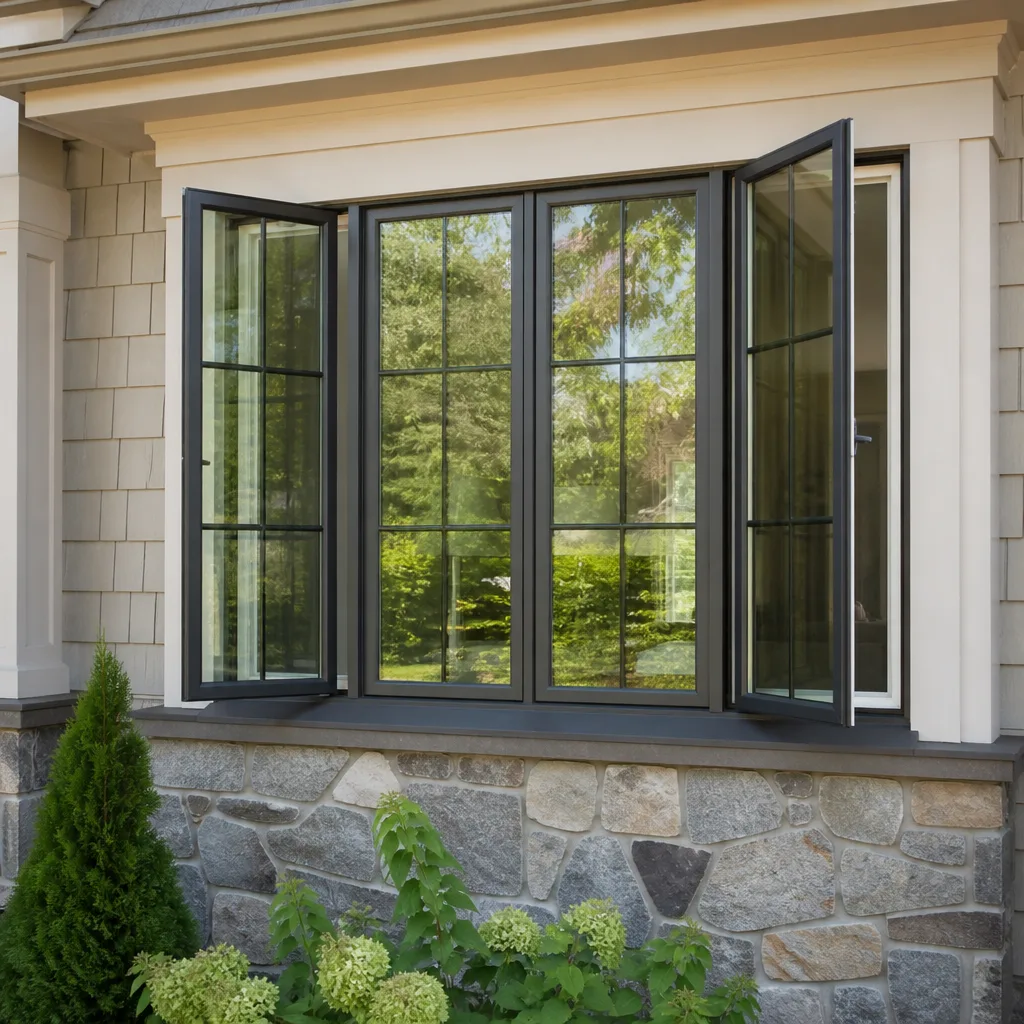 Casement
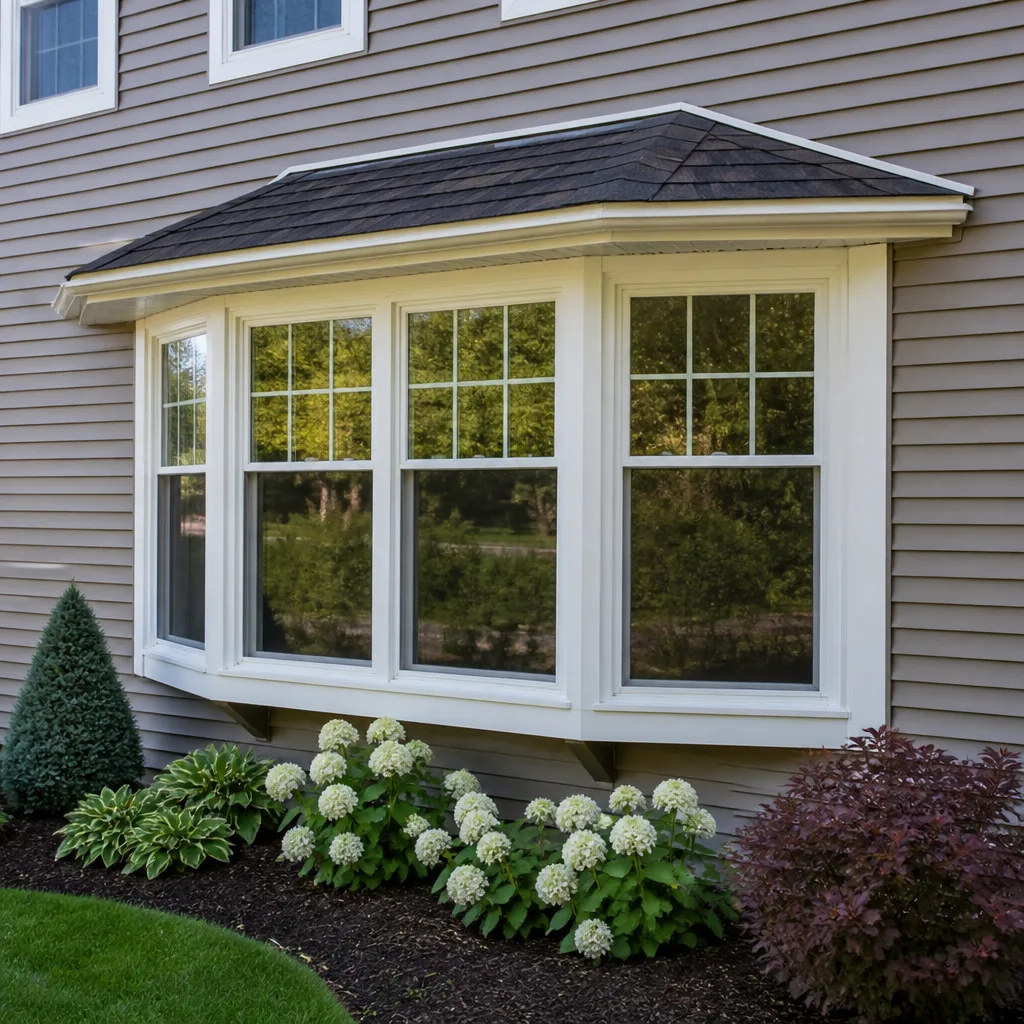 Bay & bow
 Entry doors
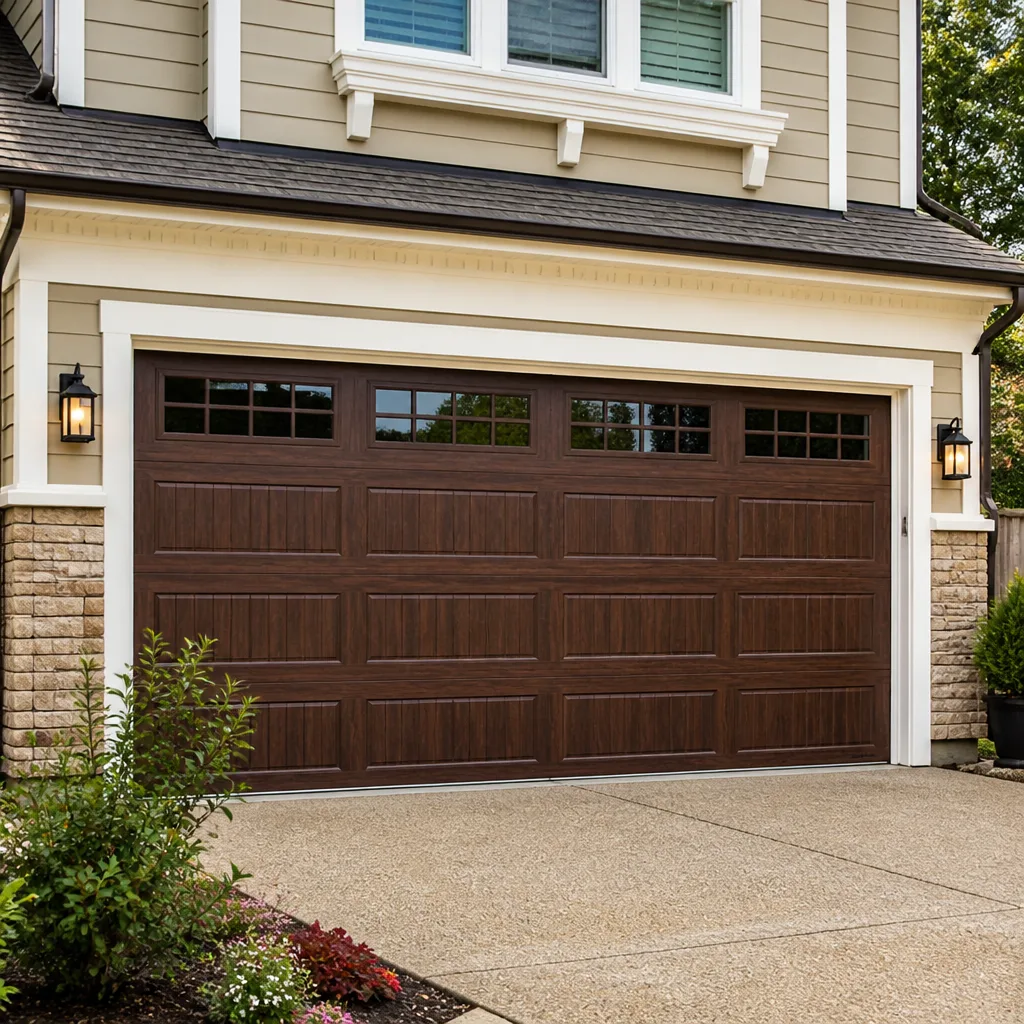 Impact garage doors
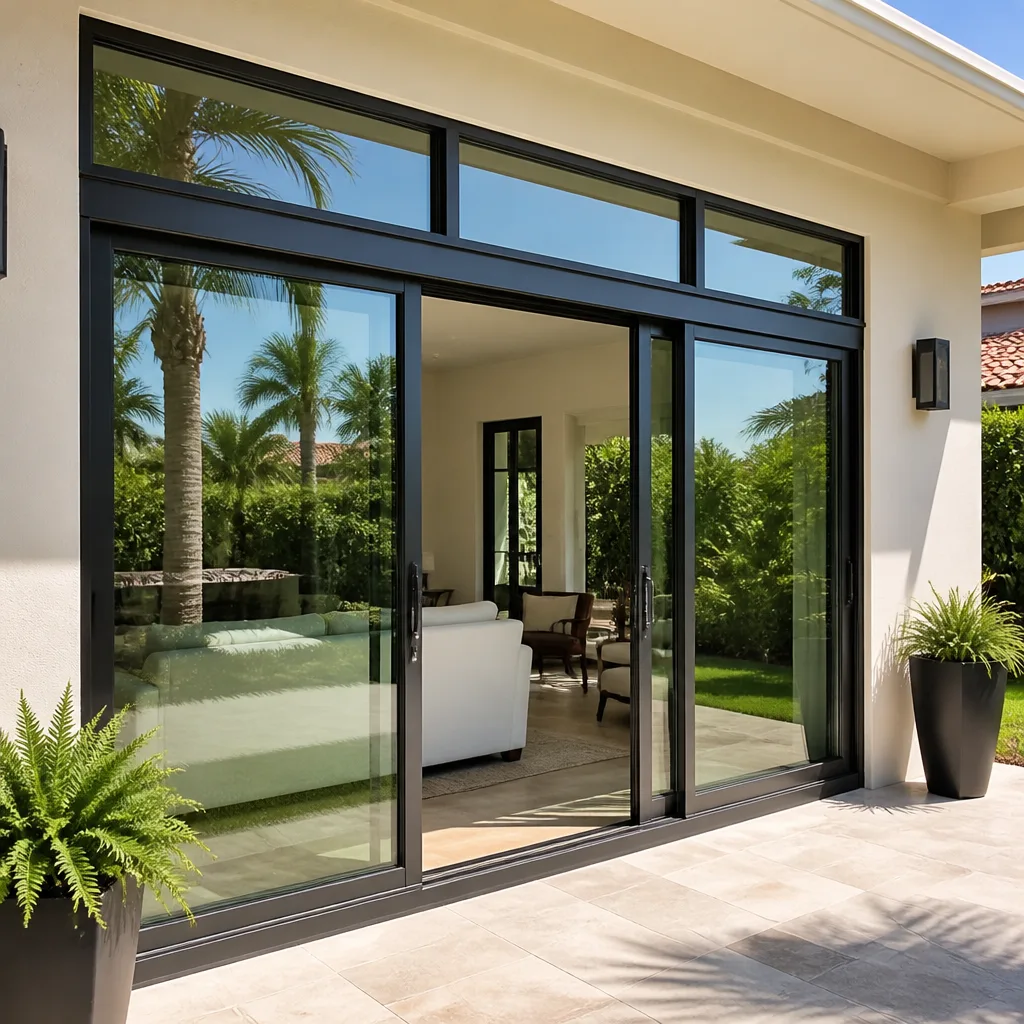 PGT
 CGI
Free in-home measure and quote - PGT, CGI and CWS impact lines compared on your actual openings, style by style
Get your free estimateSeasonal Windows & Doors Care for Henderson: Year-Round Homeowner’s Guide
Lubricating door hinges in October in Henderson isn’t fall prep. It’s already six weeks past the optimal window, because the temperature swings that stress your frame joints start showing up in late August and early September, not after the first cold morning. The care calendar most homeowners follow was written for a place with four even seasons. Henderson has two punishing extremes and two short transition windows, and everything you do to your windows and doors should be timed to those transitions, not to a calendar printed in a magazine. This guide maps the real schedule: what to check before the heat locks in, what to do before the monsoon, what to look for after the storms pass, and why a fiberglass door and an aluminum-clad window need opposite attention in the same month.
Quick Answer
Seasonal care for windows and doors in Henderson comes down to four checkpoints: a pre-summer inspection in March and April before sustained 100°F-plus heat stresses seals, glazing compounds and door thresholds; a monsoon readiness pass in June covering drainage, caulk and weatherstrip before the July and August storm window; a post-monsoon assessment in September for water intrusion that often stays hidden for weeks; and a winter prep in November and December built around rapid overnight temperature drops rather than prolonged freezes. The tasks are simple. The timing is what most homeowners get wrong.
Styles & brands we work with
- Single hung
- Double hung
- Horizontal roller
- Casement
- Bay & bow
- Sliding glass doors
- Entry doors
- Impact garage doors
- PGT
- CGI
Table of Contents
- Why Henderson’s Climate Breaks a Standard Maintenance Calendar
- Pre-Summer Protocol: What to Do Before the Heat Locks In
- Monsoon Readiness: The June Checklist That Matters Most
- Post-Monsoon Assessment: Finding Damage That Stays Hidden
- Winter Prep for Rapid Cold Snaps, Not Long Freezes
- Product-Specific Care: Fiberglass Doors vs. Aluminum-Clad Windows
- The Henderson Year at a Glance: A Step-by-Step Calendar
- Common Mistakes to Avoid
Why Henderson’s Climate Breaks a Standard Maintenance Calendar
Most seasonal window and door advice assumes four roughly equal seasons. Henderson doesn’t work that way. Summer isn’t a warm stretch you prepare for once; it’s months of sustained heat that pushes sealant, weatherstrip and threshold materials to their limits and keeps them there. Winter isn’t a long freeze, either. It’s a run of mild weeks interrupted by sharp overnight drops that catch materials off guard. Spring and fall are short transition windows, and they’re exactly when the work that protects everything else should happen.
That mismatch is why so many homeowners in neighborhoods like Green Valley and Anthem do the right tasks at the wrong time. Caulking in July, when the joint is expanded and the surface is hot, gives you a bead that pulls away by October. Sealing a door threshold in January, when the frame has contracted, leaves a gap that opens wider in June. The task wasn’t wrong. The timing was.
Our technicians have up to 10 years of experience across eight product lines, and the pattern we see is consistent: homes that get inspected at the two transition windows need far less corrective work than homes that get attention only when something visibly fails. Building around Henderson’s real weather events, rather than a generic calendar, keeps small issues small.
- Transition window one: March and April, before sustained heat arrives.
- Transition window two: November and December, before the cold snaps begin.
- Storm window: July and August, when monsoon moisture arrives fast and hard.
- Recovery window: September, when hidden water intrusion starts to declare itself.
Pre-Summer Protocol: What to Do Before the Heat Locks In
March and April are when the work you do actually holds. Once Henderson settles into 100°F-plus days, sealants cure unevenly, weatherstrip softens, and any joint you seal is sealing in an expanded state. The pre-summer pass is about getting materials into their best condition before the stress begins, not repairing them after it does.
- Walk every opening with your hand. Run your palm around each window frame and door edge. Anywhere you feel warm air moving, note it. Interior air leaks show up most clearly in the weeks before full summer, when the temperature difference is largest in the morning.
- Inspect glazing compound and sealant lines. Look for cracking, pulling away from the frame, or a chalky texture. Failed glazing compound around glass is the most common pre-summer finding, and it’s far easier to address in April than in August.
- Check door thresholds and sweeps. Threshold seals flatten under load. If daylight shows under an exterior door or the sweep drags, that’s a warm-weather gap that will only widen.
- Test window operation on every unit. Heat makes frames and sashes expand. A window that’s already stiff in spring will likely be hard to open by July, and forcing it stresses the frame.
- Look at the hardware and hinges. This is where lubricating makes sense, and they call it spring prep, not fall prep, for a reason: hardware that moves freely before the heat arrives moves freely all summer.
Mild mornings make this inspection easier to do well. Early mornings or Sundays are the practical times for it, and the payoff is that you’re addressing wear on your terms rather than reacting after a seal fails.
Monsoon Readiness: The June Checklist That Matters Most
By June, the questions change. Heat stress is now routine, and the coming risk is water. Henderson’s monsoon pattern concentrates moisture into July and August, and it arrives with wind-driven rain that tests drainage, caulking and weatherstrip all at once. June is the last comfortable month to fix what that rain will find.
The single most useful thing you can do is look at how water moves around each opening. Window and door failures in monsoon season are rarely about the glass itself. They’re about the seams, sills and gaps where water gathers and gets pushed sideways by wind.
- Check the caulk joints at sills and jambs. Any joint with a visible crack, a gap or a hard, brittle texture should be addressed before the storms, while the surface is dry and the weather is workable.
- Inspect weatherstrip on every exterior door. Look for flattened or torn strips. Weatherstrip is what keeps driven rain out of the door gap, and it degrades quietly.
- Look at drainage around thresholds. Standing water near a door threshold is a warning sign. Note where water pools during the first storm and address it before the next one.
- Check weep paths on windows and patio doors. Weep holes and channels carry water away from the sill. If they’re blocked by debris, water has nowhere to go but inward.
- Inspect after the first monsoon storm, not just before it. The first storm reveals the weak points. The good news is you usually get more than one, and what you see after the first tells you what to address before the second.
If you’ve been considering a change to a more weather-resistant opening, impact-rated options through CGI and PGT are built with these conditions in mind. That said, existing windows that are caulked and weatherstripped correctly handle most monsoon rain well. The work isn’t a replacement decision. It’s a maintenance one.
Post-Monsoon Assessment: Finding Damage That Stays Hidden
September is the most important inspection month on the Henderson calendar, and the most overlooked. Storm-driven water that gets past a seal doesn’t usually announce itself as a puddle. It travels into a wall cavity, a sill or a frame, and then it sits. When it finally shows as a stain on interior drywall or a soft spot at a window sill, weeks have passed.
That lag is why post-monsoon assessment has to be active rather than reactive. You’re looking for things that look slightly wrong, not things that look broken.
- Look at interior drywall and trim below and beside windows. Look for faint discoloration, bubbling paint or soft spots. Even a shadow of change is worth noting.
- Check door frames for swelling or binding. A door that suddenly sticks in September after opening freely in June is often signaling moisture in the frame.
- Inspect exterior caulk joints again. Compare them to how they looked in June. Joints that failed during the monsoon will show pulling, cracking or a receded bead.
- Push gently on window sills and frames. Softness, flex or a spongy feel means water has been there long enough to affect the material.
- Look at glass seals. Cloudiness between panes after a hot, wet season can indicate seal failure, though it’s far more often a heat consequence than a monsoon one.
Find something on this list? Don’t wait for it to get worse. Water damage in windows and door frames tends to grow quietly. A repair that’s small in September can be considerable by spring.
Winter Prep for Rapid Cold Snaps, Not Long Freezes
November and December in Henderson look nothing like a Midwest winter prep. There’s no long freeze to protect against. What you have instead is a pattern of mild days and sharp overnight drops, and that pattern stresses materials differently.
Rapid overnight temperature drops cause seal compression failure. Materials contract fast, and joints that flexed easily in warm weather suddenly have stress on them. Weatherstrip that sealed well in October can pull away after one hard overnight drop. Caulk can shrink and crack. The failure isn’t dramatic. It’s a slow widening of gaps that you’ll notice as a draft in the morning.
- Test every window and exterior door on a cold morning. That’s when compression failure is easiest to detect. Check for drafts and daylight at frame edges and under doors.
- Inspect weatherstrip for compression set. Weatherstrip that’s flattened where the door or sash meets it has lost ability to seal.
- Look at window sash fit. Cold makes sash and frame contract. A sash that feels loose or rattles in winter may need adjustment.
- Check caulk lines for shrinkage cracks. Fine cracks at joints in cold weather are normal, but continuous gaps are not.
- Inspect door hardware for binding. As frames contract, hardware that was fine in summer can bind or misalign.
Once you know what needs addressing in November, the work is simple to schedule. Materials move cleanly in moderate weather, and getting doors and windows sealed ahead of the cold snaps means you’re not chasing gaps through January.
Product-Specific Care: Fiberglass Doors vs. Aluminum-Clad Windows
Not every opening in your home has the same maintenance priorities, and this is where a generic guide falls short. Two common products in Henderson homes, fiberglass door systems and aluminum-clad windows, have nearly opposite seasonal concerns. Treating them the same wastes effort on the wrong things and misses what actually matters.
Fiberglass doors, like many Therma-Tru products, are less affected by heat expansion than wood but are still sensitive to seal degradation at thresholds and edges. Their main seasonal care priorities are:
- Weatherstrip and sweep integrity at the bottom and sides of the door, checked most carefully before the monsoon.
- Threshold condition after heavy rain, since fiberglass doors rely on the surrounding weatherstrip and threshold to keep water out.
- Hardware alignment in winter, as doors and frames contract at different rates.
- Exterior finish inspection, since surface wear at the bottom edge or around glazing is where fiberglass doors show age first.
Aluminum-clad windows, like those in the CWS and ES Windows product lines, face a different set of concerns. The aluminum exterior handles heat well, but the seam between materials, and the window opening itself, needs attention:
- Caulk joints between the aluminum and the surrounding frame and wall, inspected specifically in late spring and again after the monsoon.
- Weep paths and drainage channels, cleared before the storm season begins.
- Glazing seals and gasket condition, since the gap between aluminum and glass relies on a gasket that can compress over time.
- Window operation, since aluminum frames expand in heat and can affect how smoothly sashes move.
Knowing which product you have, on which side of the house, is the first step in getting your care schedule right. A fiberglass entry door on the west side and an aluminum-clad window on the east don’t need the same checklist in the same month.
The Henderson Year at a Glance: A Step-by-Step Calendar
Here’s the full schedule in one sequence. It’s built around Henderson’s actual weather events rather than four equal seasons, and it works for homes of every type across the valley.
- March: Walk every opening with your hand. Note drafts and air movement. Inspect glazing compound for cracking.
- April: Address any sealant or glazing issues you found. Lubricate door hinges and window hardware. Test window operation.
- May: Check threshold seals and door sweeps. Confirm weep holes and drainage channels are clear.
- June: Monsoon readiness pass. Inspect caulk at sills and jambs. Replace worn weatherstrip. Inspect drainage around thresholds.
- July and August: Monitor. After the first monsoon storm, check exterior joints and interior areas near windows and doors.
- September: Post-monsoon assessment. Look for interior discoloration, soft sill material and caulk failure. Don’t ignore small changes.
- October: Compare findings from September to the condition of exterior joints today. Note what’s changing.
- November: Winter prep begins. Test windows and doors on a cold morning. Inspect weatherstrip for compression. Check care alignment.
- December: Final checks. Address any draft or binding issue. Confirm door hardware moves freely.
- January and February: Light monitoring. If you find a draft or an issue, address it early. Cold snaps can reveal frame movement you’d want to know about well before spring.
That sequence isn’t busy work. Each step prevents a specific class of problem: pre-summer securitization, monsoon water intrusion, hidden post-storm damage and winter compression. Sequence matters more than the individual task.
Common Mistakes to Avoid
- Following a temperate-climate calendar. Caulking in July when the joint is expanded and the surface hot gives you a bead that fails fast. Do the work in the March – April transition, not in the middle of summer.
- Skipping the September inspection because nothing looks wrong. Post-monsoon water intrusion takes weeks to show up in Henderson’s dry environment, and drywall can look fine while moisture sits in the frame behind it.
- Ignoring weatherstrip compression in winter. Rapid overnight temperature drops cause weatherstrip to lose its seal. If you only check for drafts in summer, you’re checking at the wrong time.
- Treating all windows and doors the same way. A fiberglass door and an aluminum-clad window need different monthly attention. Doing the same pass on both wastes effort and misses real issues.
- Letting windows bind in the heat and forcing them anyway. A sash that’s tight in July is signaling frame and track stress. Forcing it can warp the frame or damage the mechanism.
- Overlooking weep holes and drainage. What’s rarely on a homeowner’s checklist is often what fails first in the monsoon. Clear those channels before the storms, not after water has already pooled around a threshold.
- Assuming impact-rated means maintenance-free. Impact-rated windows through PGT and CGI handle storm-force conditions better, but they still need caulk and drainage inspection just like any other opening.
See the difference
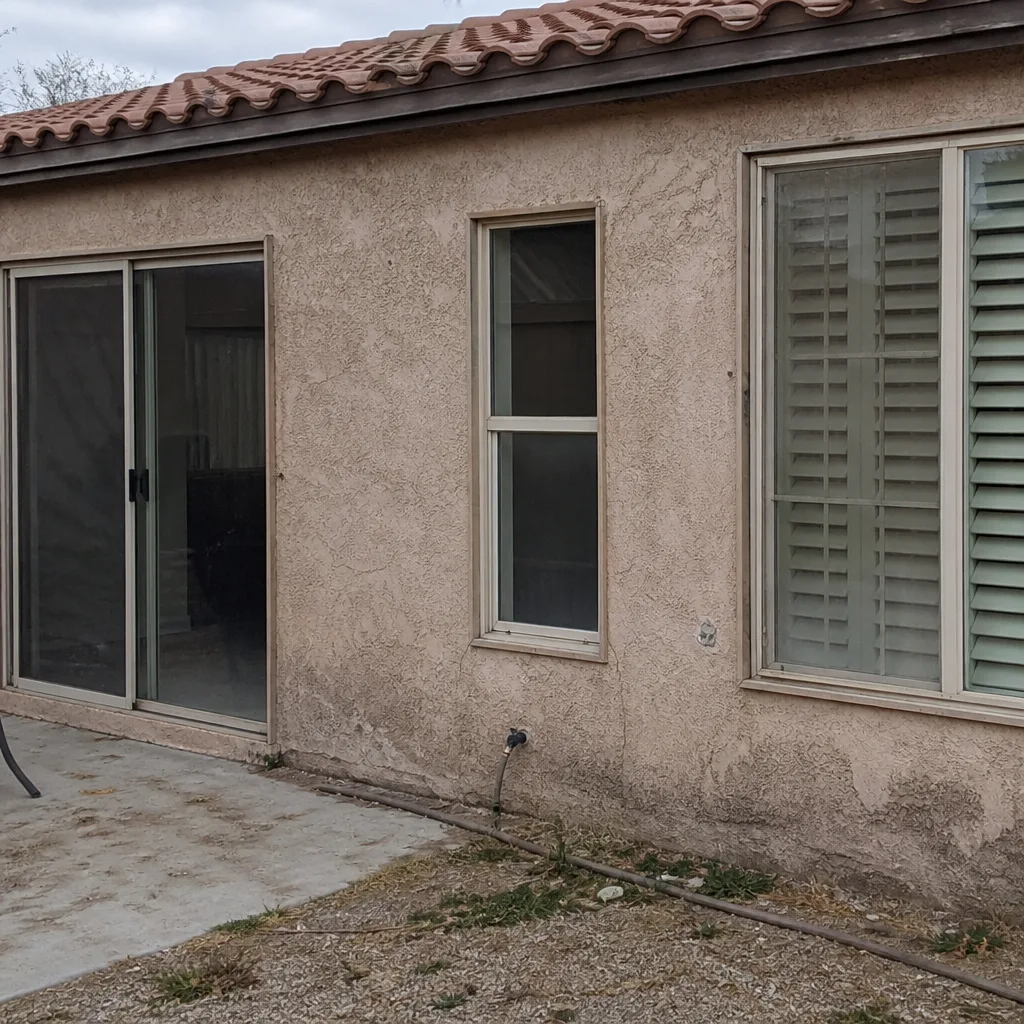 Before
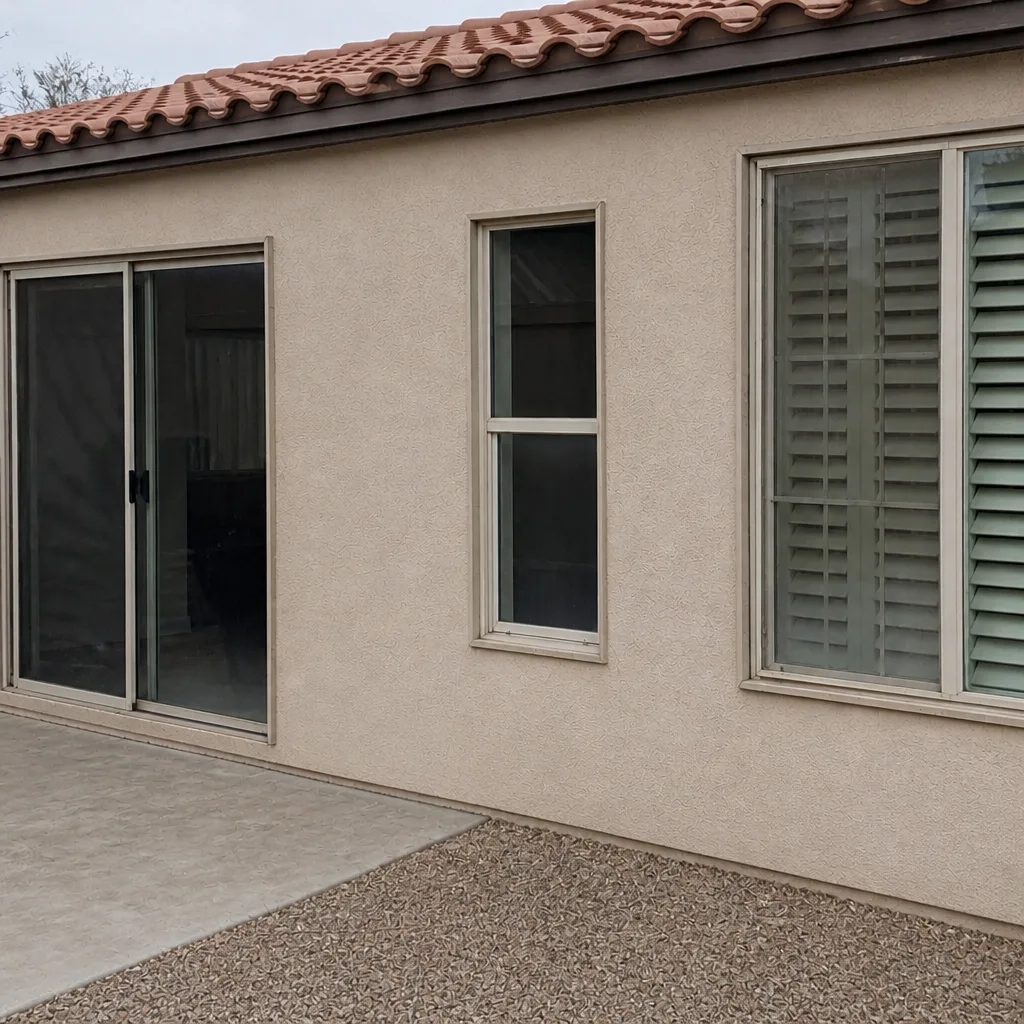 After
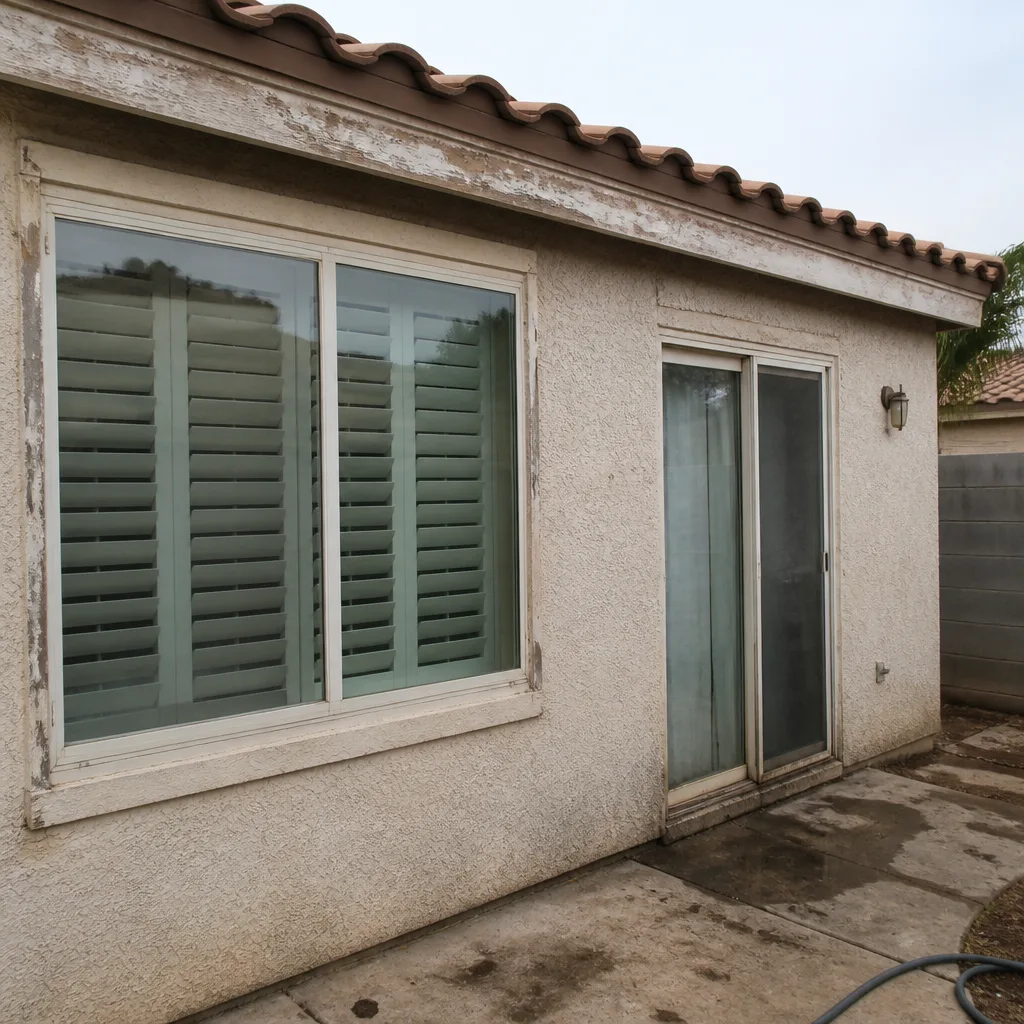 Before
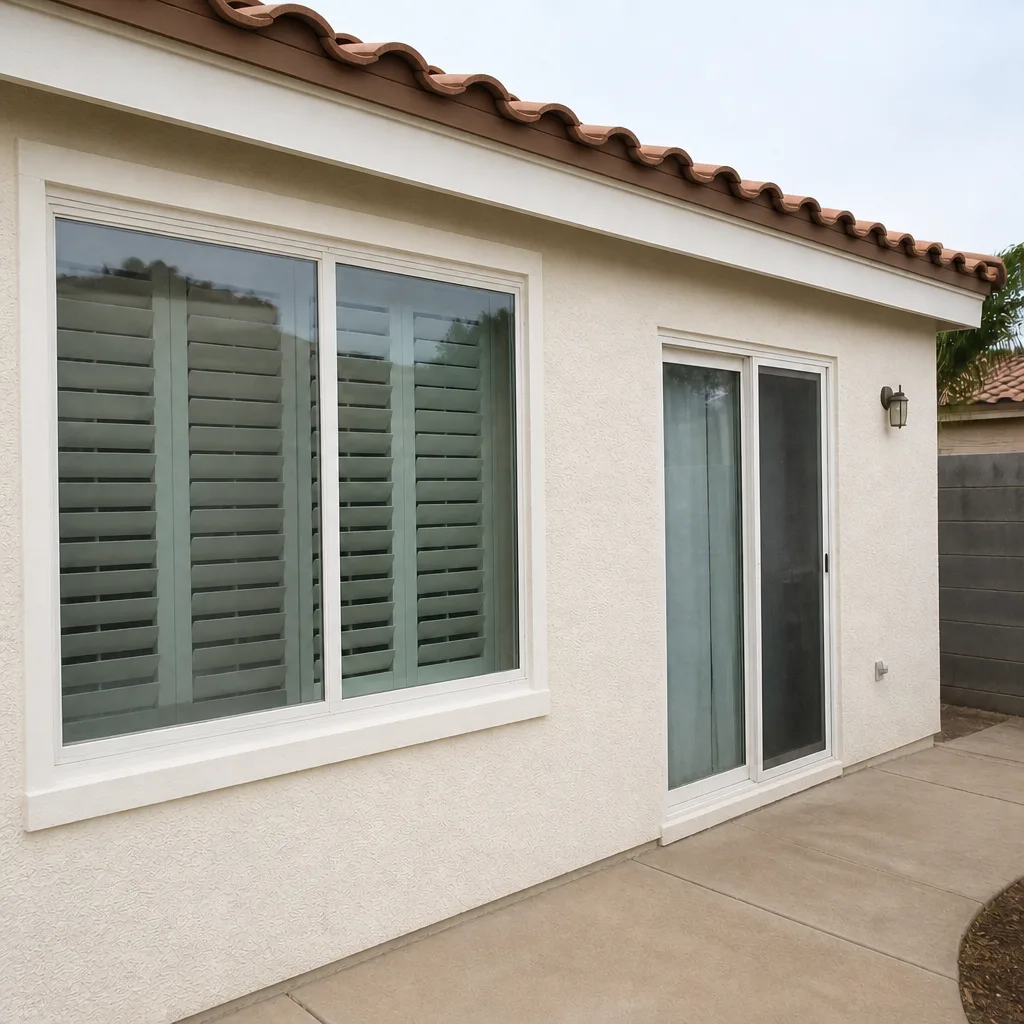 After
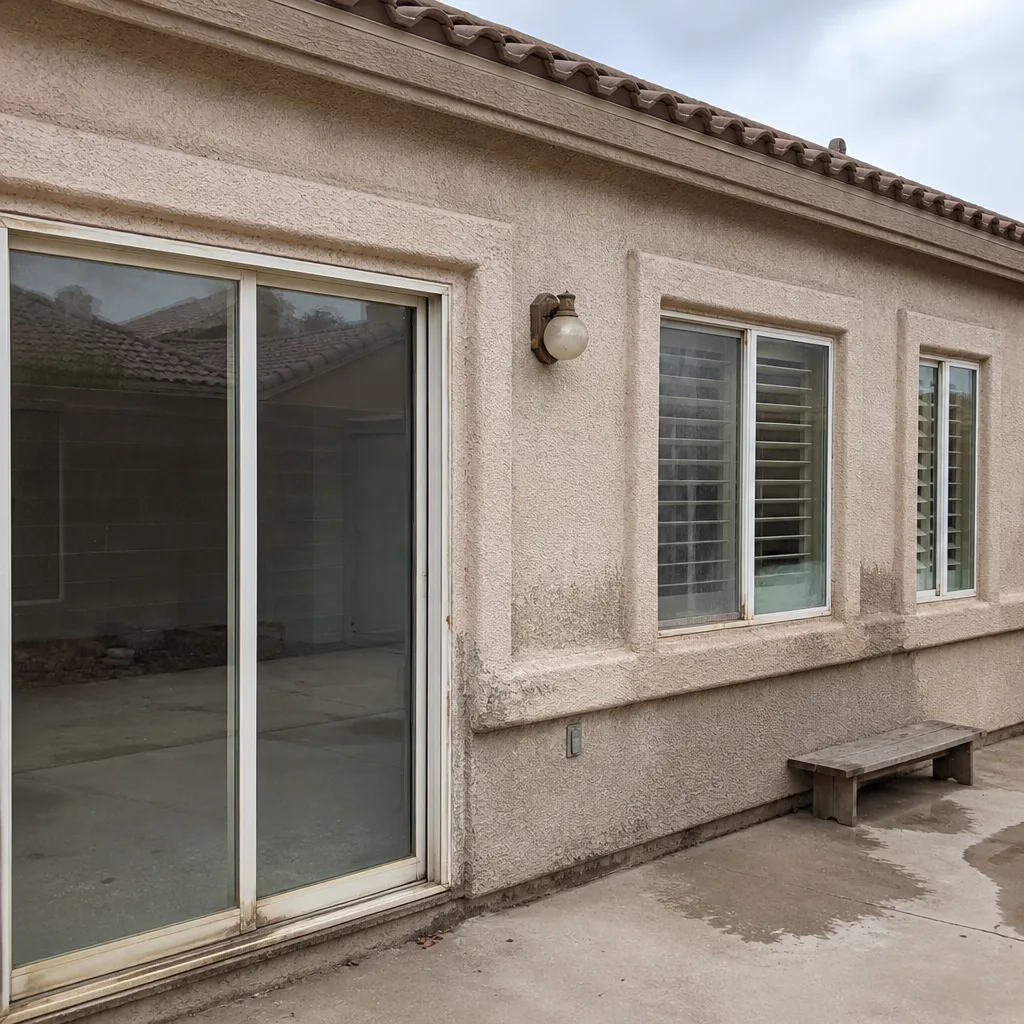 Before
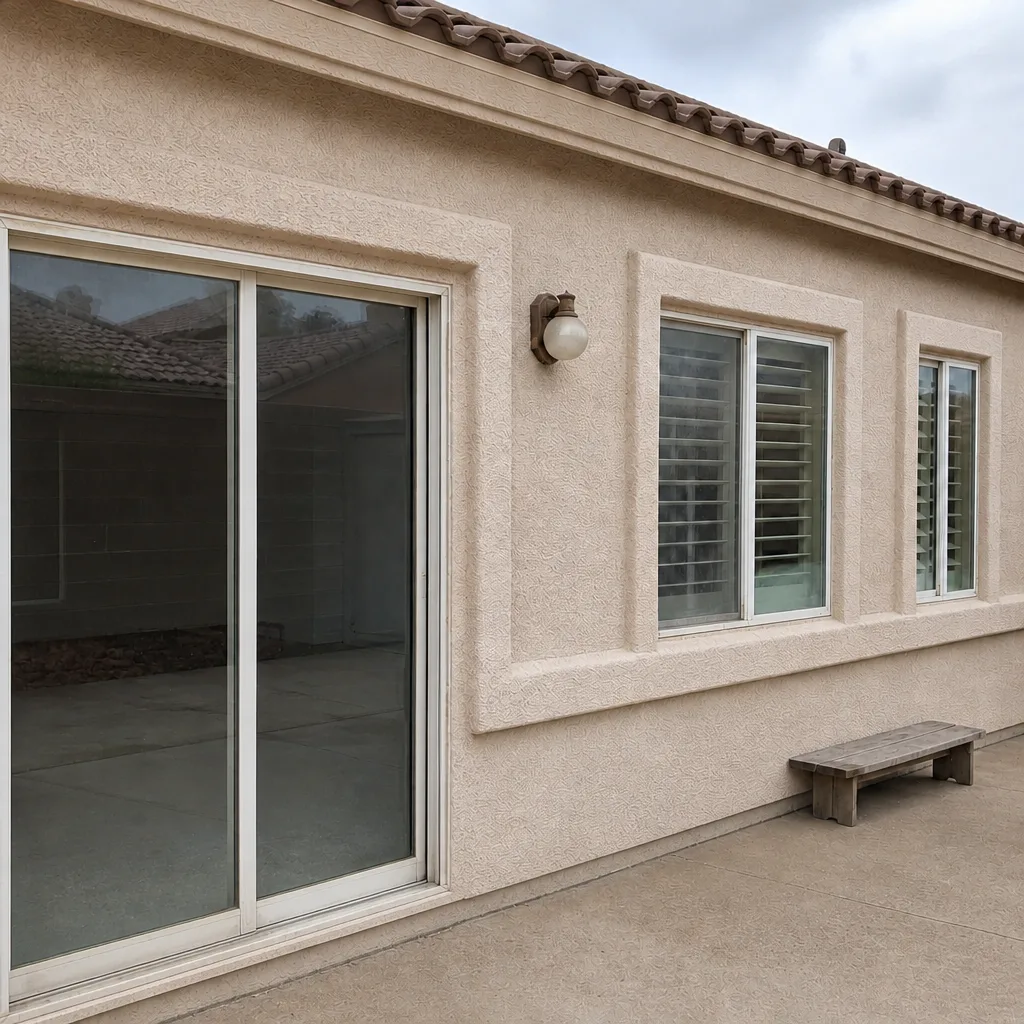 After
When to Call a Professional
Some of what’s in this guide is straightforward homeowner work: checking for drafts, cleaning weep holes, replacing worn weatherstrip. But certain signs mean the issue has moved beyond a checklist item. Call a professional if you find soft or spongy material at a window sill or door frame, if interior drywall shows faint water staining after the monsoon, if a window becomes hard to operate after heat expansion, or if seal failure appears between glass panes. Frame-level movement, recurring drafts you can’t trace, and glazing with visible gaps are also worth a professional look, especially before the next transition window closes.
Window Replacement Henderson offers free estimates in Henderson. Call (844) 320-4954 to schedule yours. We answer 24/7. Fast dispatch from 7am to 7pm, Sunday through Friday. Written line-item quotes and fixed pricing with no change orders are part of every estimate, and we’ll tell you honestly whether your existing units need repair, adjustment or window replacement.
Frequently Asked Questions
March and April are the best months overall. The transition before sustained summer heat is when sealants cure properly, caulk holds, and joints seal in their ideal state. November is the second-best window, ahead of the cold snap pattern. Call (844) 320-4954 for an exact quote if you’re unsure what your openings need.
Look for faint discoloration on interior drywall, bubbling paint or soft spots at window sills and door frames, and doors that suddenly stick after opening freely in earlier months. Even a shadow of change is worth a professional inspection. Call (844) 320-4954 for a free estimate.
Yes. Aluminum-clad windows need caulk and seam attention around the frame and wall, plus drainage channel maintenance, while fiberglass doors need weatherstrip and threshold checks with hardware alignment in winter. Both benefit from the same seasonal timing, but the tasks differ. Call (844) 320-4954 to talk through your specific units.
Rapid overnight temperature drops cause door frames to contract faster than hardware and weatherstrip can adjust. That’s why Henderson’s winter pattern causes binding even without long freezes. It’s usually a frame adjustment or weatherstrip fix rather than a replacement. Call (844) 320-4954 for an estimate.
Impact-rated windows through PGT and CGI do offer better wind and storm resistance, and they hold up well under monsoon-driven rain. If your current windows are failing at seals year after year despite maintenance, upgrading is worth comparing. Reach out for a free estimate and we’ll review the options side by side with you.
Safe homeowner tasks include checking for drafts, cleaning weep channels, lubricating door hinges and window hardware, and replacing weatherstrip. What we don’t recommend is adjusting or repairing the seal around framing, working around glass in a way that stresses the glazing, or investigating suspected water intrusion by removing trim. Those require a trained eye and sometimes a specific product warranty awareness. Call (844) 320-4954 if you find something on that list.
The Bottom Line
Henderson homeowners get the most from their windows and doors by focusing on timing rather than tasks. The pre-summer protocol in March and April, monsoon readiness in June, the post-monsoon assessment in September and winter prep in November and December are the four checks that matter. A fiberglass door and an aluminum-clad window need different care every month. The product line matters. The home matters. And the schedule does, too. For a specific plan for your home’s openings, we can walk through options from CWS and ES Windows among other lines, and get you a written estimate. Window replacement in Henderson is what we do for a living, and our installation expertise lets us match the right product to your home rather than defaulting to whatever’s easiest to install.
Call (844) 320-4954 for a free estimate. We answer 24/7. Fast dispatch from 7am to 7pm, Sunday through Friday. Whether you’re comparing brands or need window installation as part of a larger exterior update, we’ll give you a written line-item quote and fixed pricing with no change orders. Estimates are free. Henderson homeowners have genuine choice here, and we want you to use it.
Written by the team at Window Replacement Henderson.