Last updated November 18, 2026
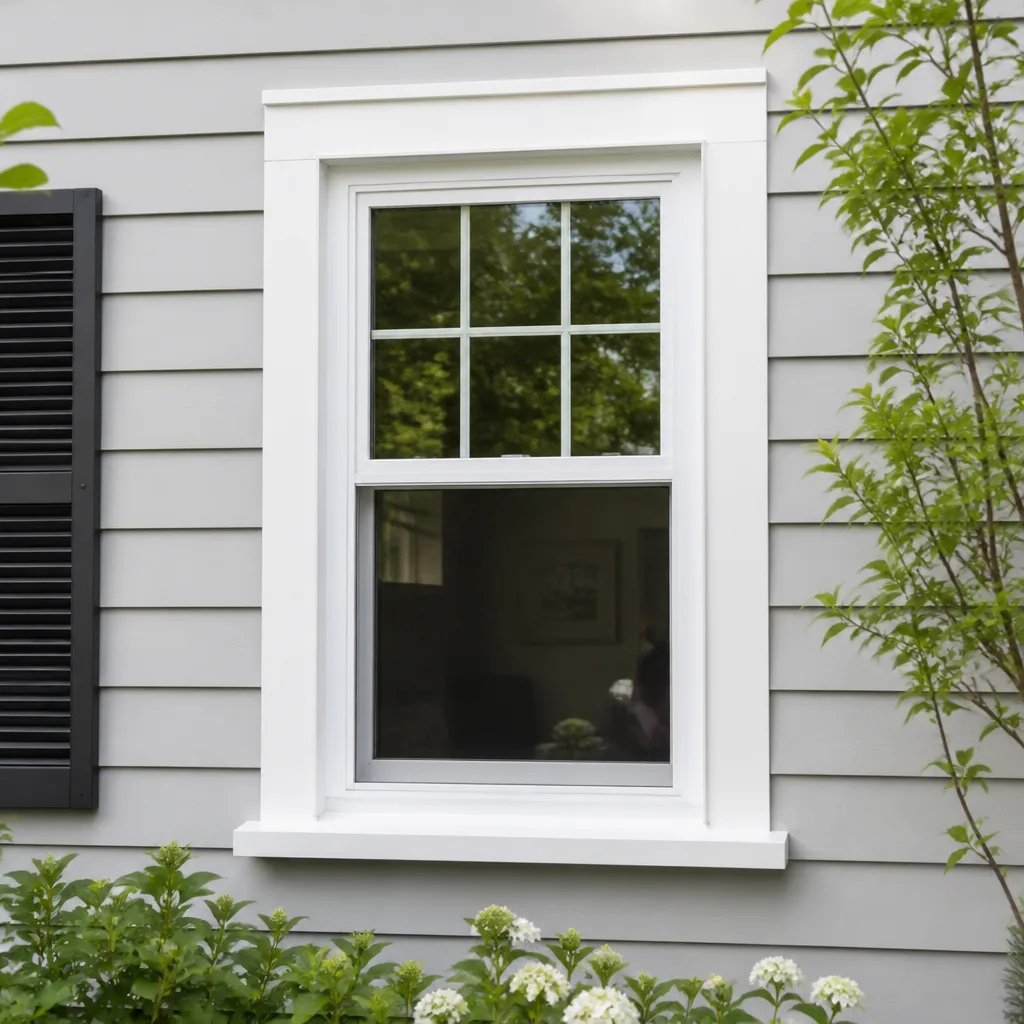 Single hung
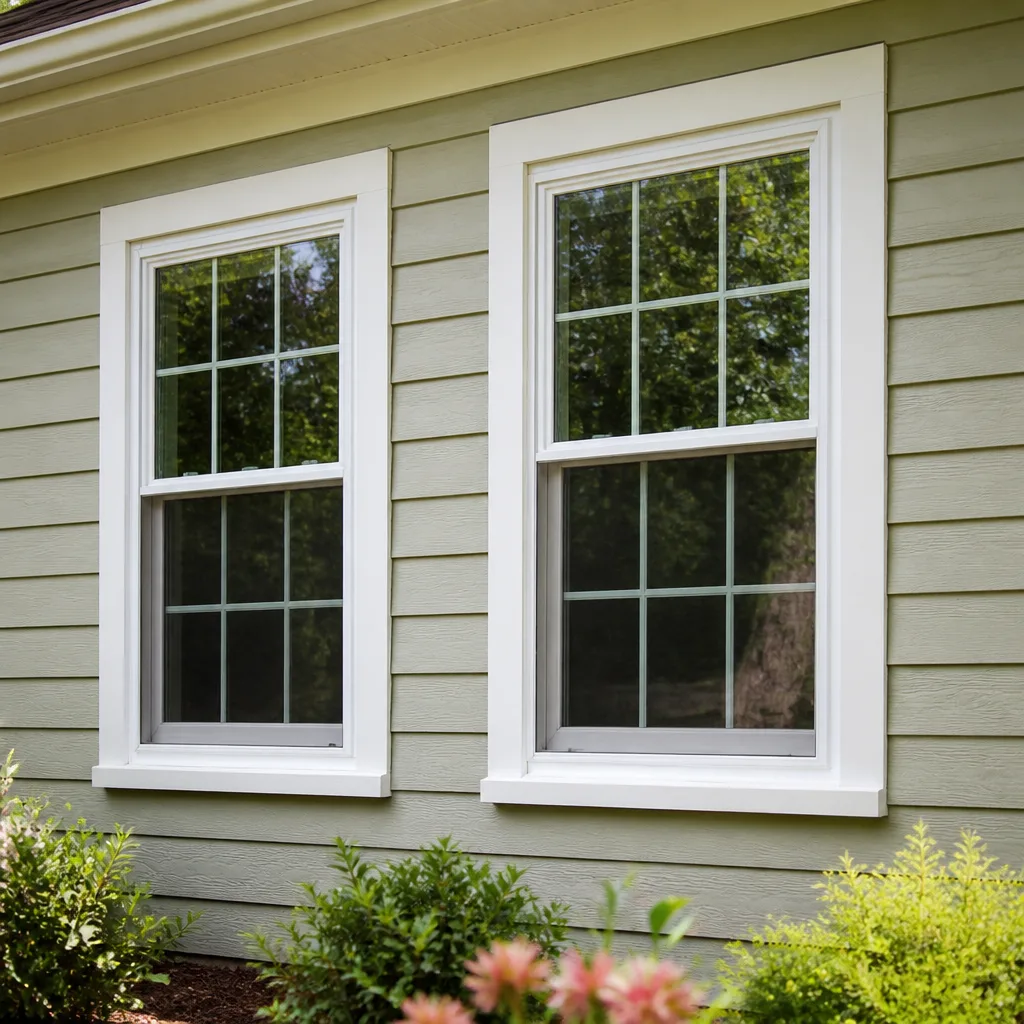 Double hung
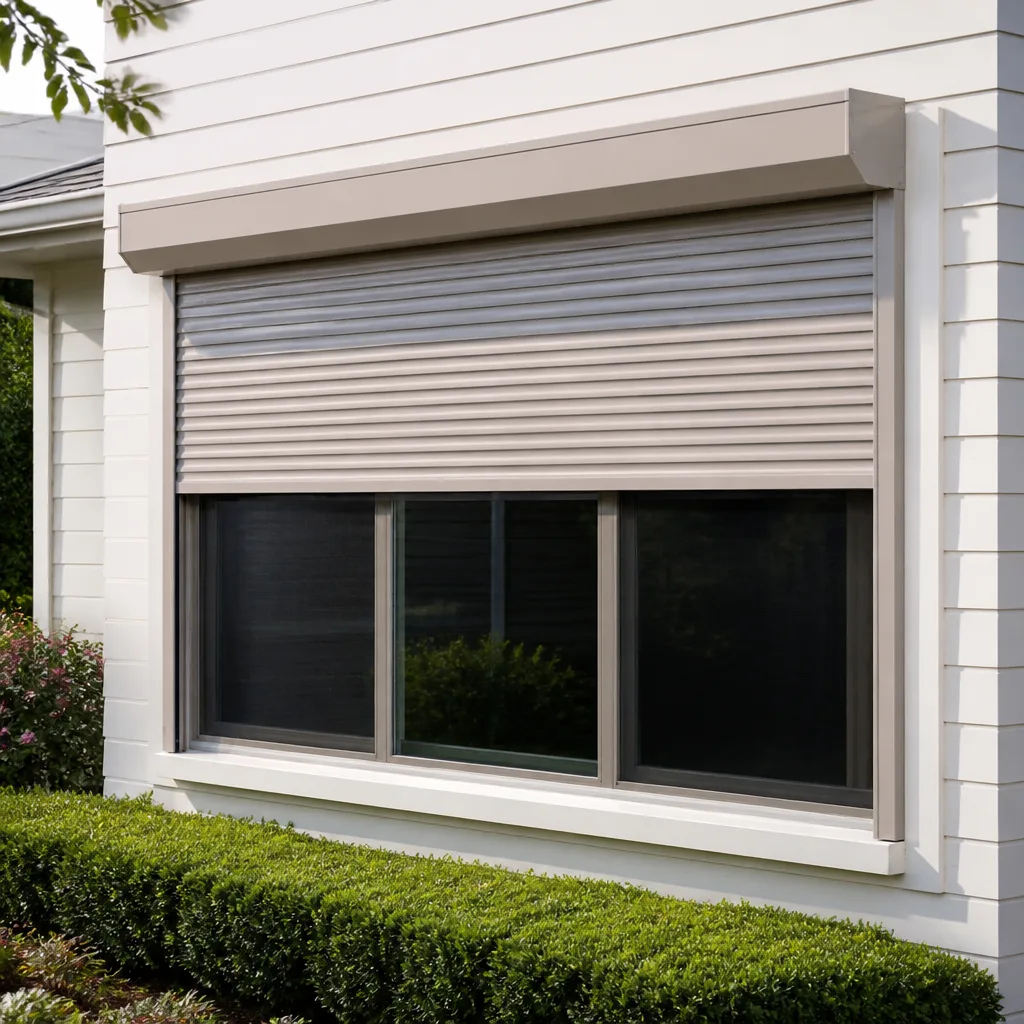 Horizontal roller
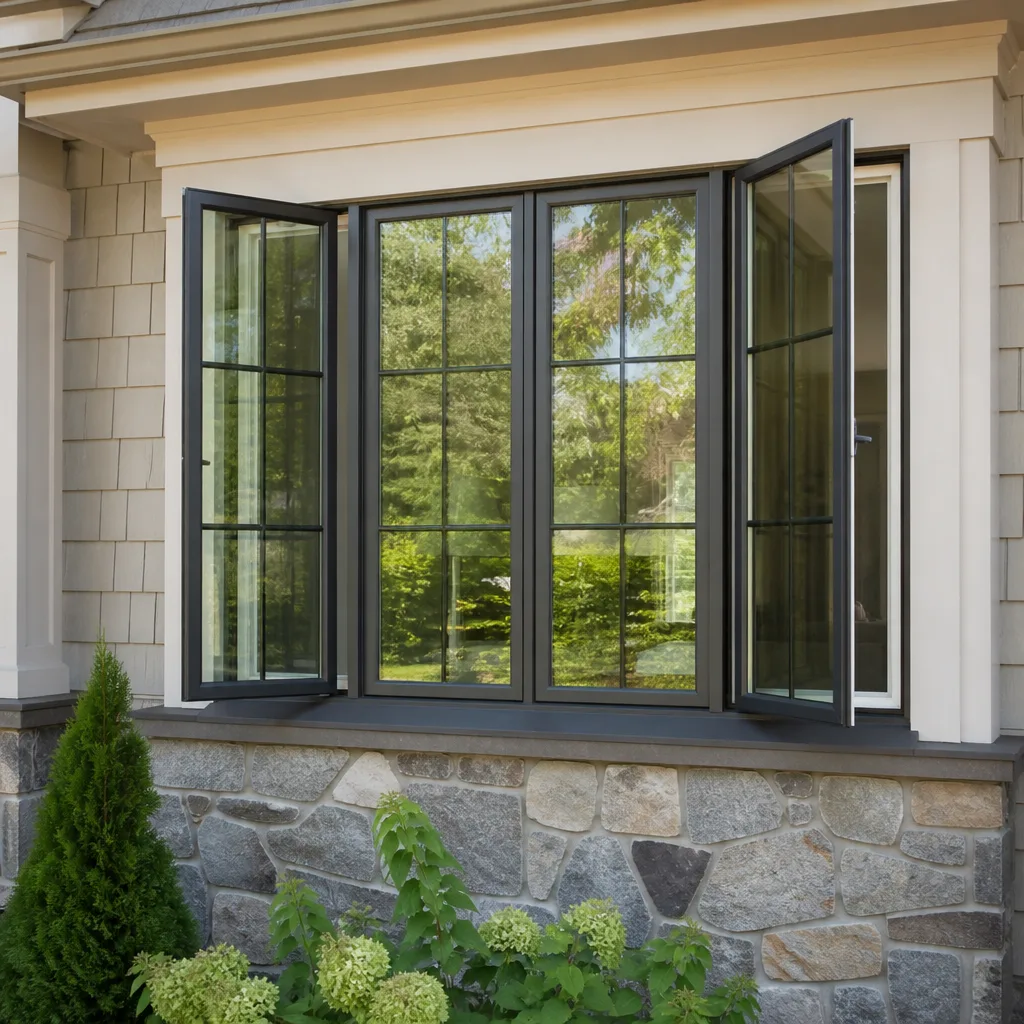 Casement
 Bay & bow
 Sliding glass doors
 Entry doors
 Impact garage doors
 PGT
 CGI
Free in-home measure and quote - PGT, CGI and CWS impact lines compared on your actual openings, style by style
Get your free estimateWindow Replacement Maintenance Checklist for Henderson Homeowners
A failed weep hole in Henderson isn’t a minor inconvenience. During monsoon season, one storm can push water past a clogged drain channel and into a window frame, turning a small cleaning job into rotted sill repair. Most maintenance checklists you’ll find online were written for mild climates with steady rain, and they miss the failure modes that desert heat, dust and flash flooding actually create. This guide is built around what goes wrong here and when. You’ll get a month-by-month calendar, a mineral-deposit protocol for each frame material, and the warranty lines you shouldn’t cross.
Quick Answer
A Henderson window maintenance checklist should follow the local climate calendar: inspect and clean weep holes and drainage channels before monsoon season, check seals and weatherstripping before the summer UV peak, and inspect for cold-snap gaps in late fall. Cleaning glass, tracks and drainage paths monthly and testing hardware twice a year prevents most of the damage that leads to premature replacement. The single most important task is keeping weep holes clear, because a blocked drain is what turns a small seal failure into a full-frame replacement.
Styles & brands we work with
- Single hung
- Double hung
- Horizontal roller
- Casement
- Bay & bow
- Sliding glass doors
- Entry doors
- Impact garage doors
- PGT
- CGI
Table of Contents
- Why Henderson Windows Fail Differently
- Month-by-Month Maintenance Calendar for Henderson
- Weep Holes and Drainage Channels: The Haboob Problem
- Hard-Water Mineral Deposits by Frame Material
- Reading Weatherstripping Failure Under Heat Load
- Glass Seals, Fogging and When a Pane Is Done
- Hardware, Tracks and Operating Sash
- Maintenance That Voids a Warranty and What You Can Safely Do
Why Henderson Windows Fail Differently
Windows in Henderson face a stress pattern that most of the country doesn’t share. Summer UV exposure is intense and sustained, not a brief peak. Monsoon season delivers rain in short, violent bursts that overwhelm drainage rather than soaking in gradually. Winter cold snaps are brief but sharp. And the valley generates fine dust that settles into every track and channel, then turns into a paste when the first monsoon rain hits it.
That combination changes what you’re watching for. In a wet climate, the enemy is constant moisture. Here, the enemy is thermal cycling and dust loading. Vinyl expands and contracts through a much wider range than it would in a coastal market, which works sealant joints and weatherstripping harder. Aluminum frames conduct heat quickly and can get genuinely hot to the touch on a west-facing wall. Glass units take a daily bake-and-cool cycle that stresses the perimeter seal.
We’ve seen how this plays out across the valley, from the older single-story neighborhoods near Water Street to the newer builds out toward Lake Las Vegas and the foothills of McCullough Hills. Homes on exposed west and south elevations age faster on the window side. Homes tucked into a slope or shaded by mature landscaping hold up longer. Neither home is maintenance-free. The difference is which tasks matter most and how often.
The payoff for staying on top of it is real. A window that gets its drainage cleared and its seals checked on schedule can stay serviceable for years beyond one that doesn’t. When it’s time to stop maintaining and start replacing, our window replacement in Henderson page covers the full scope of what that involves.
Month-by-Month Maintenance Calendar for Henderson
Treat your windows as a seasonal system rather than a spring-cleaning afterthought. The calendar below is timed to Henderson’s actual climate events: the pre-summer UV climb, the monsoon window, and the winter cold snaps. Each task takes minutes. Skipping them is what creates the cascading repair.
- March: Full inspection before the heat arrives. Check weatherstripping on all operable windows, clean tracks, and confirm weep holes are open. This is your baseline.
- April: Pre-summer seal check. Look for cracked sealant at frames and sill joints. Address any glazing seal that’s starting to haze before UV peak.
- May: Deep-clean glass and frames. Remove winter dust accumulation and hard-water spotting before the sun bakes it on. Lubricate sliding hardware.
- June: Confirm drainage channels are clear and weep holes open. This is the last check before monsoon season, and it’s the one that matters most.
- July through September: Monsoon season. After any major storm, inspect weep holes, tracks and interior sills for water intrusion. Clean out debris flushed into channels, and watch for hairline cracks in exterior sealant.
- October: Post-monsoon cleanup. Flush drainage paths, remove sediment left behind by rain and dust, and check for any storm-related seal damage.
- November: Cold-snap prep. Confirm weatherstripping still compresses properly and check for gaps around frames that open up when temperatures drop.
- December through February: Light quarterly checks. Test locks and hinges, look for condensation between panes, and note any draft that appeared with the cold.
Two tasks run all year, not just seasonally. Cleaning glass and tracks monthly keeps dust from becoming a drainage problem. Testing locks, hinges and sliding hardware twice a year catches small failures before they become stuck windows.
Weep Holes and Drainage Channels: The Haboob Problem
Weep holes are the small openings at the bottom of a window frame that let water drain out and air circulate in. When they’re clear, a window sheds water the way it’s designed to. When they’re clogged, water sits inside the frame, and that’s where the damage starts.
Henderson generates an unusual debris load. Dust storms, sometimes called haboobs, drive fine particles into every opening on the exterior of a home. That dust settles into window tracks and drainage channels. Then monsoon rain arrives, the dust turns into a muddy slurry, and the weep holes that were fine in June are sealed by July. Water backs up behind the glass, sits against the sill, and works its way into the frame.
Inspecting weep holes is a simple, ten-minute job per window:
- Look for visible dust, grit or plant debris blocking the opening.
- Check that the slot is open on the exterior side of the frame, not just the interior.
- Use a soft brush or a gentle stream of water to clear loose debris; never poke a metal tool into the opening, which can damage the internal drainage path.
- Test that water drains freely by pouring a small amount of clean water into the sill channel and watching it exit.
If water doesn’t drain, the internal channel may be blocked, and that’s a repair rather than a cleaning job. When a drainage problem is severe or has already caused water to reach interior sills, it’s worth a professional look. We can assess the frame and tell you whether a repair or a replacement is the better call. If you’re weighing that decision, our guide to window installation explains what a new unit involves from a drainage and sealing standpoint.
Hard-Water Mineral Deposits by Frame Material
Henderson water carries dissolved minerals, and every time sprinkler overspray, rain runoff or cleaning water evaporates on glass or frame, it leaves those minerals behind. Over months, they etch into glass and cloud the finish on frames. The removal method depends entirely on frame material, and the wrong approach can do permanent damage.
- Vinyl: The easiest to maintain and the most resistant to mineral damage, but also the most vulnerable to aggressive solvents. Use mild soap, water and a soft cloth. Avoid abrasive pads and strong chemical cleaners, which can dull or pit the surface.
- Aluminum: Durable and low-maintenance, but the anodized or painted finish can be scratched. Use a soft cloth and mild detergent. Avoid abrasive cleaners that dull the finish or strip protective coatings.
- Fiberglass: Holds up well to mineral spotting but can show a chalky haze over time. Clean with mild soap and water, and use a soft brush only on stubborn spots. Avoid anything abrasive, which can leave a visible scuff.
- Wood and wood-clad: The most sensitive to water damage. Wipe mineral deposits promptly before they soak into the frame, and be careful with any cleaner that strips the finish.
Whatever the material, don’t let deposits bake on. On a Henderson window, a spot that would be a quick wipe in spring can become etched by July’s heat. A mild vinegar-and-water solution works on glass for typical mineral haze, but always rinse thoroughly and never let it sit on a frame. If the glass has a hard-water film that won’t come off with a gentle cleaning, a professional may need to assess whether the glass itself is etched.
Reading Weatherstripping Failure Under Heat Load
Weatherstripping is the flexible seal around an operable window that keeps air and water out. In a mild climate it wears gradually. In Henderson, sustained heat load does something different: it compresses the material and hardens it, so weatherstripping can look intact while it’s already failed. The seal that felt springy in winter can be flat and ineffective by August.
Here’s how to tell heat-load failure from normal wear:
- Heat-load failure: The strip feels hard, brittle or flat rather than spongy. It may show a permanent set or compressed groove where the sash closes against it. The seam between the strip and the sash may show a gap even when the window is shut.
- Normal wear: The material is softening or wearing thin along the contact edge from repeated opening and closing, or the strip is pulling loose at the corners.
- Both: The strip has hardened and shrunk slightly, leaving a gap that lets air through even though the window “feels” closed.
To check, run a hand along the perimeter of the closed sash on a cool morning and feel for air movement. If you feel a draft, or if the closed window rattles slightly in wind, the seal is compromised. Sliding windows are especially prone to this because they depend on a tight track seal to perform.
Replacing weatherstripping is straightforward on most units and doesn’t require a new window. On some product lines, the seal is a replaceable component; on others, it’s integrated into the sash or frame. If your windows are under a manufacturer’s warranty, check before replacing anything yourself, because certain repairs can affect coverage. This is one area where we see a wide range among product lines, from Therma-Tru door seals to residential window products, and it’s worth matching the replacement seal to the original spec.
Glass Seals, Fogging and When a Pane Is Done
Most windows in Henderson are insulated glass units (IGUs): two panes sealed with a gap of air or gas between them. When the perimeter seal fails, moisture gets in and the unit fogs from the inside. You can’t clean fogging that lives between the panes, and no amount of exterior cleaning will fix it.
Because of the desert thermal cycle, IGU seals get worked harder here than in most markets: hot days, cool nights, year round. That cycling is what causes seals to fail over time. The signs are straightforward:
- Fogging or condensation between the panes that doesn’t clear.
- A hazy or milky appearance within the glass itself.
- A cloudy or discolored film that appears after a temperature swing.
- Visible separation or failure at the perimeter seal, if you can see it.
Not every fogging implies a full replacement. Sometimes only the glass unit needs to be replaced while the frame stays in place, depending on the window’s construction and the product line. On some, the unit is a sealed assembly that’s replaced as a whole glass unit; on others, the fix genuinely requires a new window. This is where product knowledge matters. The right window for your home is the one that can be serviced, not just the one that’s cheapest up front. When a seal fails across multiple windows at once, that’s often a sign it’s time to evaluate replacement options; our window replacement guide explains what to compare.
Hardware, Tracks and Operating Sash
Hardware is the part of the checklist people skip, and it’s where small problems become big ones. A lock that’s stiff or a slider that catches on grit will eventually loosen a seal or bend a track, and a window that doesn’t close tightly can’t keep water out no matter how good the seal is.
A basic hardware routine, about 15 minutes per window once a year:
- Open and close each window slowly through its full range and listen for catching, grinding or a change in resistance.
- Clean the tracks first with a brush or vacuum. Grit in a track grinds the rollers and hinges every time you open the window.
- Apply a small amount of lubricant to hinges, latches, locks and sliding hardware. A little goes a long way; more lubricant attracts more dust.
- Check that the lock engages fully and the sash sits flush in its frame when closed. If the sash hangs unevenly, the frame may need the alignment adjusted rather than the lock.
- Test operation after lubricating. If a window is still sticky, that’s a sign of a track or alignment issue worth addressing before it gets worse.
Because Henderson dust settles into every track, cleaning the tracks before lubricating is the step that actually protects the hardware. Skipping it is like sanding a hinge every time you open the window. When hardware is failing across an older window, it’s worth weighing repair against replacement, and the choice is often product-specific.
Maintenance That Voids a Warranty and What You Can Safely Do
Window warranties cover manufacturing defects, not damage from neglect or from a DIY repair gone wrong. Understanding the line between covered and uncovered is one of the most useful preventive tasks on this whole checklist, because it tells you which repairs to do yourself and which to leave alone.
Safe DIY maintenance generally includes:
- Cleaning glass, frames, tracks and weep holes with mild soap and water.
- Lubricating hardware.
- Replacing weatherstripping on units where it’s designed as a serviceable part.
- Replacing seals on internal components not covered by the frame warranty.
Tasks that can void or complicate coverage include:
- Removing or altering the frame, sash or glass unit, which is typically covered by the manufacturer’s warranty only if untouched.
- Using chemicals or abrasives that damage finishes or seals.
- Attempting to repair or reseal a failed glass unit rather than replacing it.
- Making changes that affect the weather-tightness of the unit, such as caulking over a drainage path.
The safe rule is this: if the task involves the sealed glass unit, the frame or the structural seal, check the manufacturer’s documentation before you touch it. If the task is cleaning, lubricating or replacing a serviceable wearable part, it’s yours to do. Our technicians have up to 10 years of experience across the product lines we install, and we can tell you quickly whether a problem is a warranty matter or a repair. The same principle applies to doors; our Henderson guide covers the exterior-opening picture in one place.
Common Mistakes to Avoid
- Cleaning weep holes with a sharp tool. A metal pick can puncture the internal drainage path, which is a repair rather than a cleaning job. Use a soft brush or gentle water.
- Letting hard-water spotting bake on. In Henderson’s heat, a mineral spot that would be a quick wipe in spring can etch into glass by mid-summer. Clean more often than you think you need to.
- Ignoring weatherstripping because the window closes. Under sustained heat load, weatherstripping fails while it still looks intact. Check for drafts, not just visible gaps.
- Lubricating over dirty tracks. Skip the track cleaning and you’re grinding grit into the hardware every time you open the window.
- Assuming every fogged window needs replacement. Sometimes only the glass unit is done. Check before you budget for a whole window.
- Caulking over a drainage path. A well-meant seal can trap water inside the frame. Drainage paths are supposed to be open.
- Self-repairing a unit under warranty. Opening a sealed glass unit or altering a covered frame can complicate the manufacturer’s coverage, so check first.
See the difference
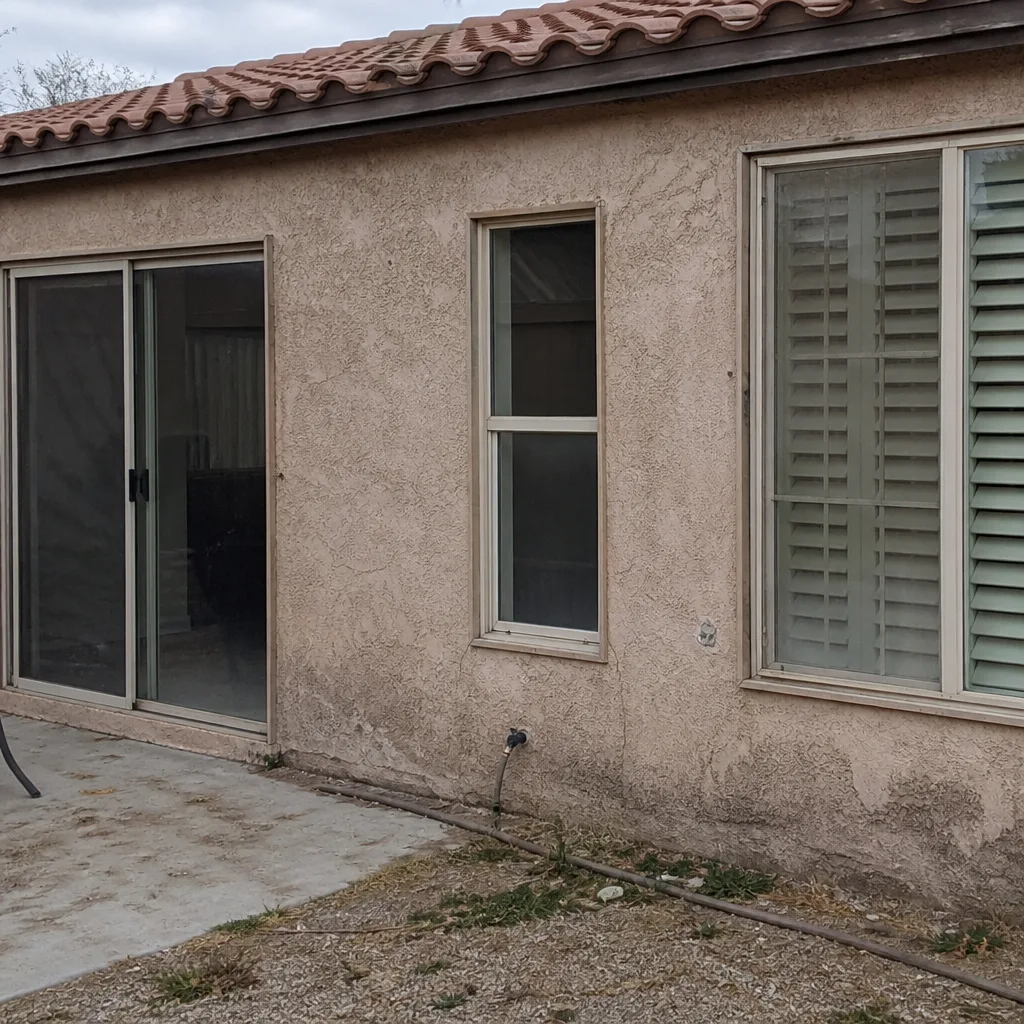 Before
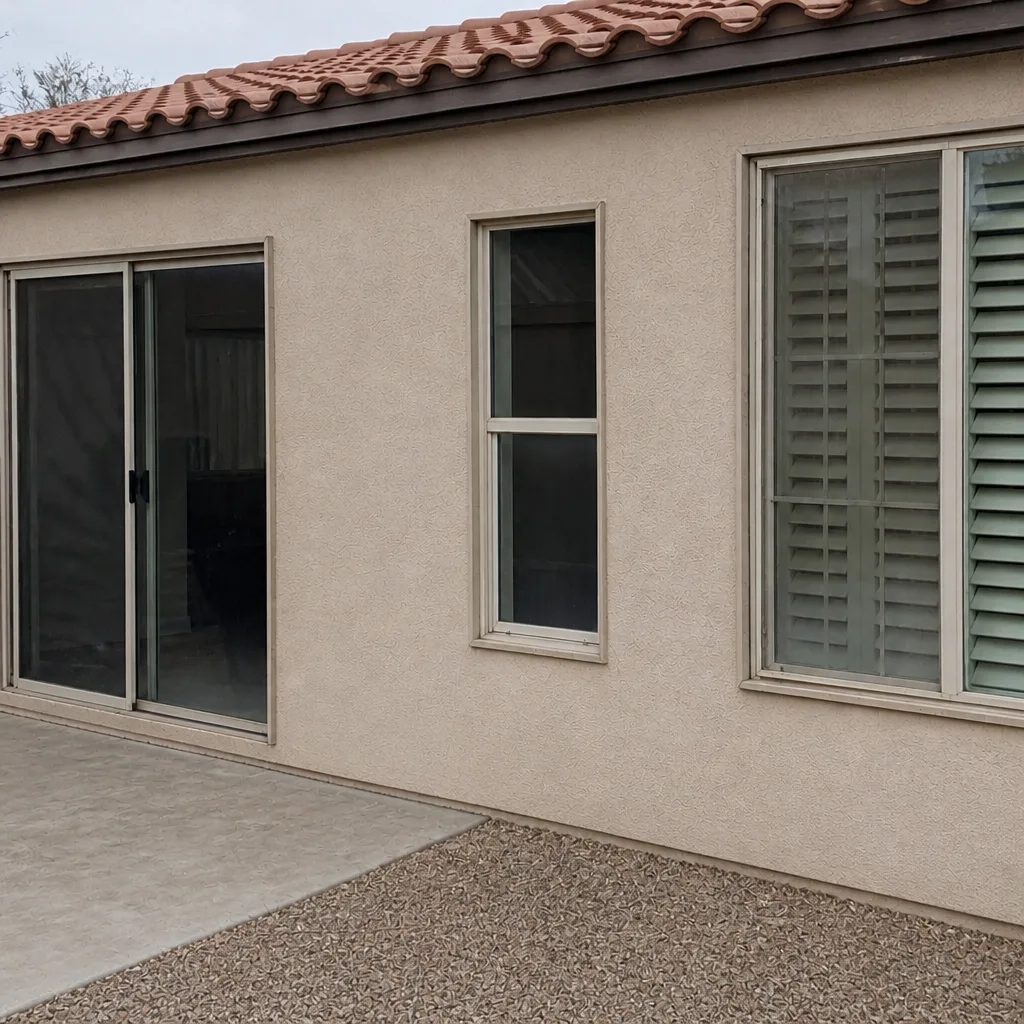 After
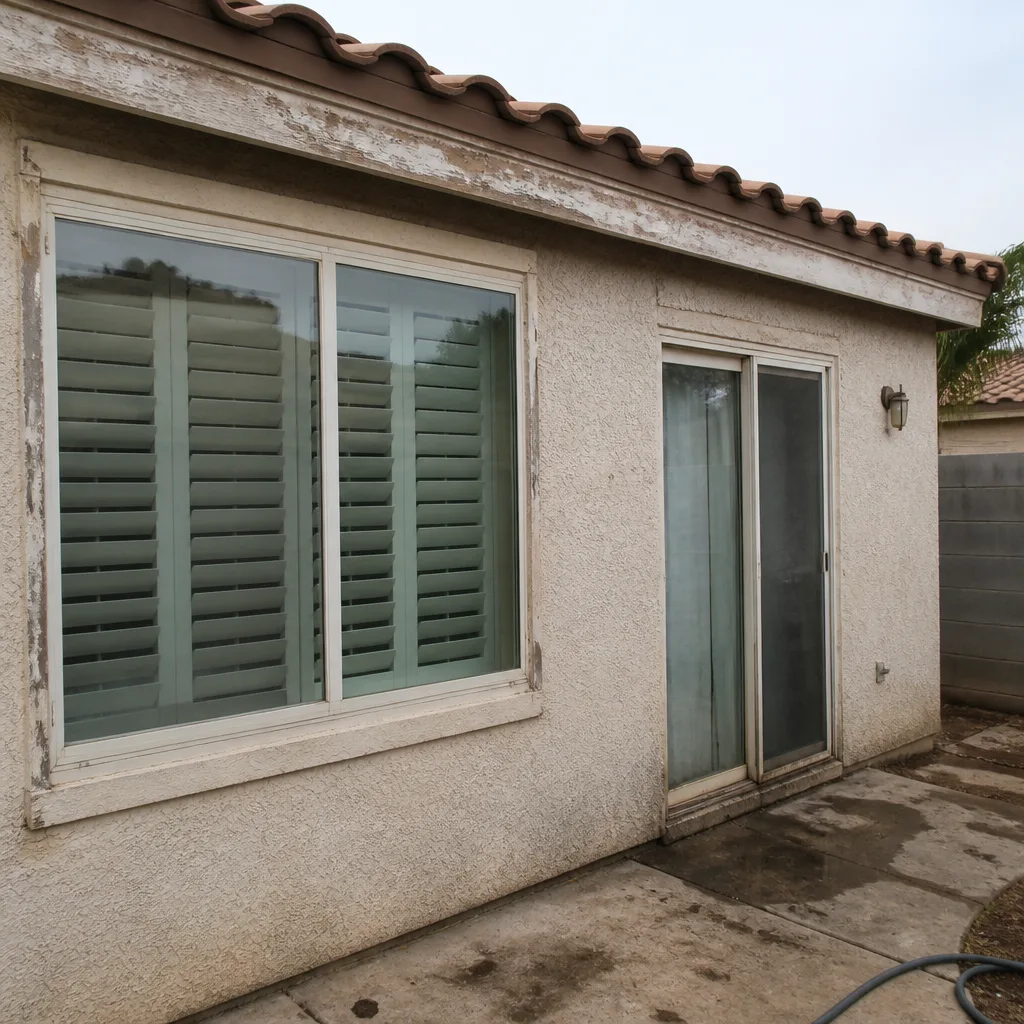 Before
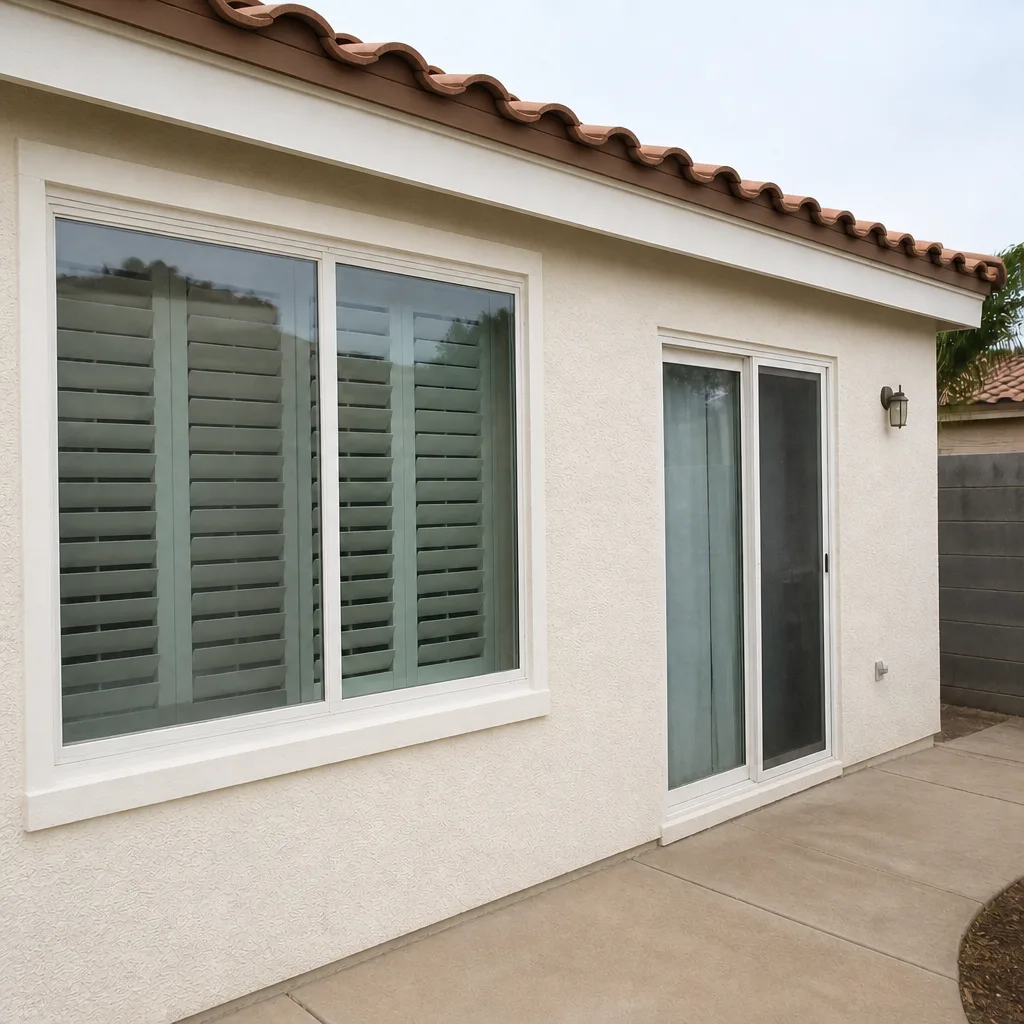 After
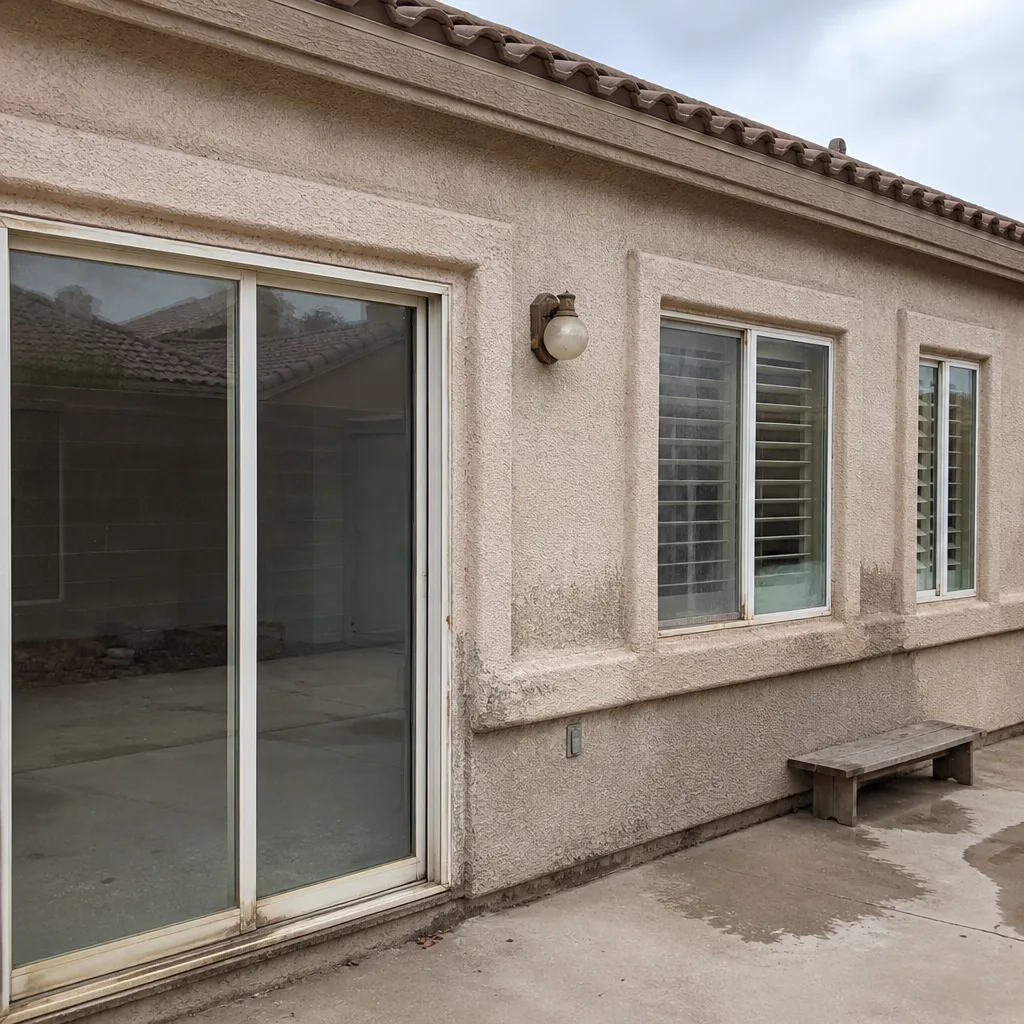 Before
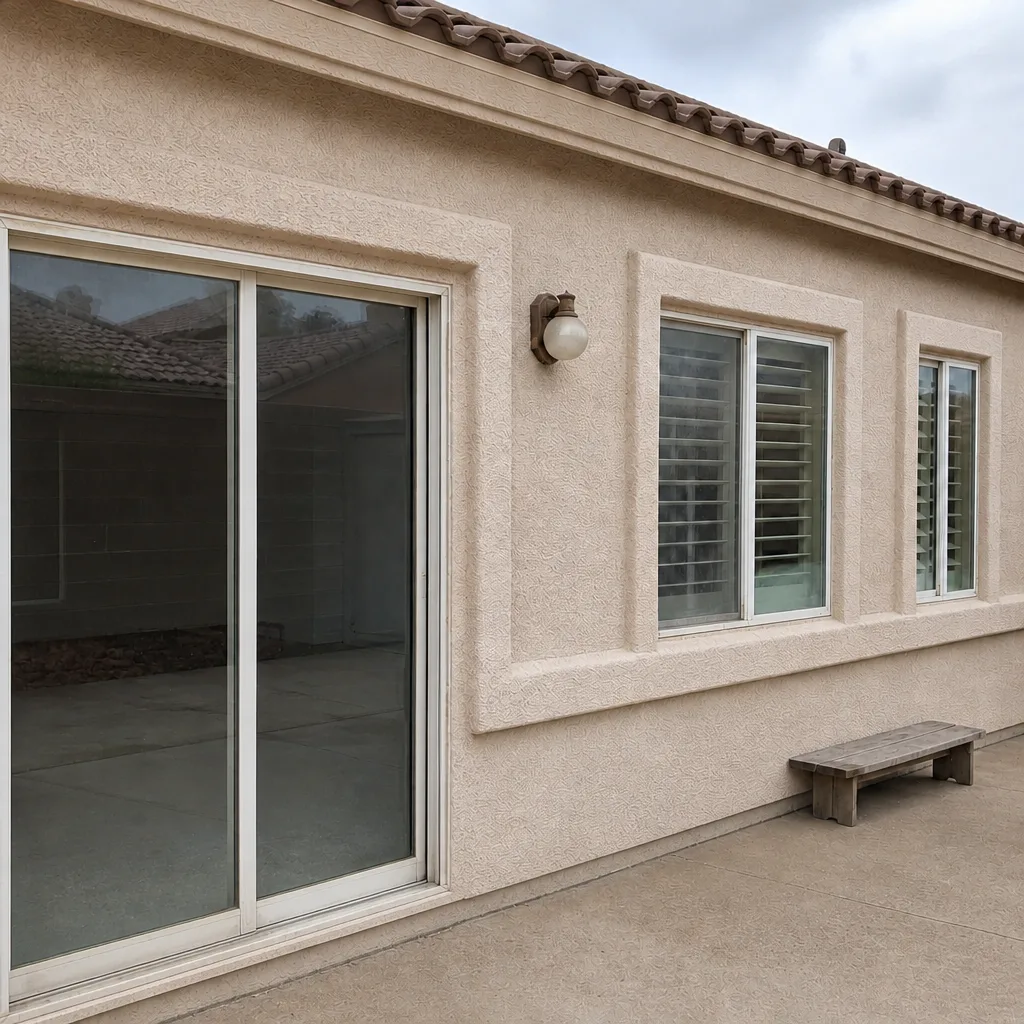 After
When to Call a Professional
Some maintenance is yours to do. Some signals mean it’s time for a professional look: water that reaches the interior sill after a storm, fogging or condensation between panes, weatherstripping that has hardened and failed across several windows, a frame that’s visibly cracked or warped, or a window that won’t open, close or lock properly after cleaning and lubrication. Any of those suggests the fix is structural rather than cosmetic. We install windows and doors across eight brands, including PGT, CGI, CWS, ES Windows, ECO Window Systems, Mr-Glass, Therma-Tru and ViewLux, so we can match the right unit to your home rather than steer you toward one line. Window Replacement Henderson offers free estimates in Henderson – call (844) 320-4954. We answer 24/7. Fast dispatch from 7am to 7pm, Sunday through Friday.
Frequently Asked Questions
Check weep holes monthly during dust season and after every major monsoon storm. Henderson’s fine dust settles into tracks and channels, then rain turns it into a slurry that can seal a weep hole in a single storm, so monthly checks and post-storm checks are both part of the routine.
Sometimes only the glass unit needs replacing, not the whole window. On some product lines the sealed glass can be replaced in place; on others the window is replaced as a unit. A professional assessment will tell you which applies. Call (844) 320-4954 for a free estimate.
Yes, in a specific way: intense UV, dust loading and monsoon rain cycles stress seams, seals and drainage paths harder than a mild climate. That doesn’t mean windows fail quickly, but it does mean the maintenance schedule matters more, especially drainage and weatherstripping checks.
Use mild soap and water with a soft cloth, and match the method to the frame material: vinyl, aluminum and fiberglass each tolerate different cleaning approaches. Avoid abrasives and harsh chemicals, which can damage finishes and seals. If the glass is etched, cleaning won’t fix it.
Normal cleaning with mild soap and water won’t. What can affect coverage is altering the sealed glass unit, frame or structural seal. Check the manufacturer’s documentation before any repair that touches those components. Call (844) 320-4954 with questions about a specific unit.
On many units, weatherstripping is a replaceable part and doesn’t require a new window. The key is matching the replacement seal to the original spec and checking whether the unit is under warranty first. If the seal has failed across several windows, it’s worth a professional look before you order parts.
The Bottom Line
Window maintenance in Henderson comes down to a few priorities: keep weep holes and drainage channels clear, especially before monsoon season; remove hard-water deposits before heat bakes them in; check weatherstripping for heat-load failure rather than visible wear; and know which repairs are safe to do yourself versus which touch covered components. A simple month-by-month routine prevents most of the damage that leads to premature replacement. And when it’s time to replace rather than maintain, the right product for your home matters more than brand loyalty. Our window replacement team can walk you through your options.
Ready to price a repair or replacement? Call (844) 320-4954 for a free estimate. We answer 24/7. Fast dispatch from 7am to 7pm, Sunday through Friday.
Written by the team at Window Replacement Henderson.